
A root canal is a common dental procedure used to treat a tooth with inflamed or infected pulp, most often caused by a deep cavity or trauma.
Root canals have a reputation for being frightening, but modern techniques and anesthesia make the procedure far less painful than popular culture suggests.
That said, root canal therapy carries risks and is not always the only option. Some dentists, particularly those practicing biological or functional dentistry, often recommend alternatives when appropriate.
Below is an overview of what a root canal is, how to tell if you need one, what happens during treatment, and common questions patients ask.
IF YOU PURCHASE A PRODUCT USING A LINK BELOW, WE MAY RECEIVE A SMALL COMMISSION AT NO ADDITIONAL COST TO YOU. READ OUR AD POLICY HERE.
What is a root canal?
Root canal therapy (also called endodontic treatment) preserves a tooth whose pulp has become inflamed or infected. Dental pulp is soft tissue inside the tooth that contains nerves, blood vessels, and connective tissue. Infection commonly results from deep decay or trauma.
During the procedure, a dentist or endodontist removes infected or inflamed pulp, disinfects the canals, then fills and seals the tooth. Because the treated tooth can become brittle, a crown is usually placed afterward to protect it from fracture or chipping.
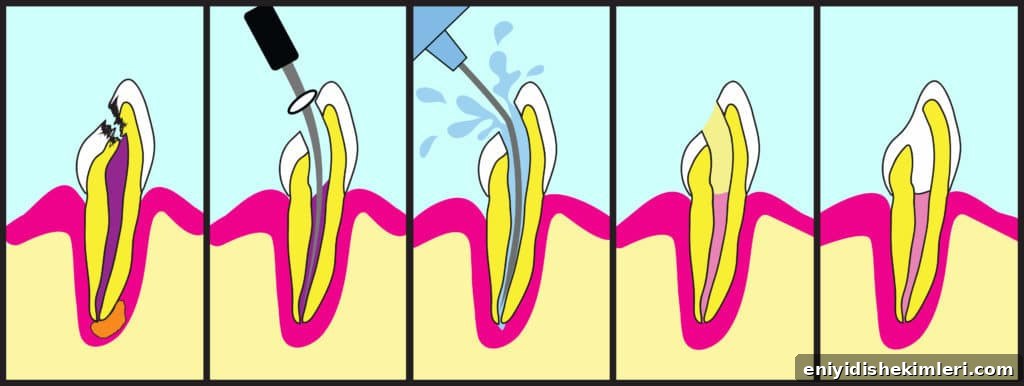
A root canal preserves the tooth’s structure by removing infection and sealing it, but it does not restore the tooth to living tissue. Because the pulp is dead or dying by the time treatment is indicated, the procedure is sometimes described as “mummifying” the tooth.
Common terms for the procedure include:
- Root canal
- Endodontic treatment
- Root canal therapy
- Root canal treatment
Root canals are indicated when pulpitis is irreversible. Reversible pulpitis may be treated conservatively, but once the pulp is necrotic or irreversibly inflamed, extraction or root canal therapy is required.
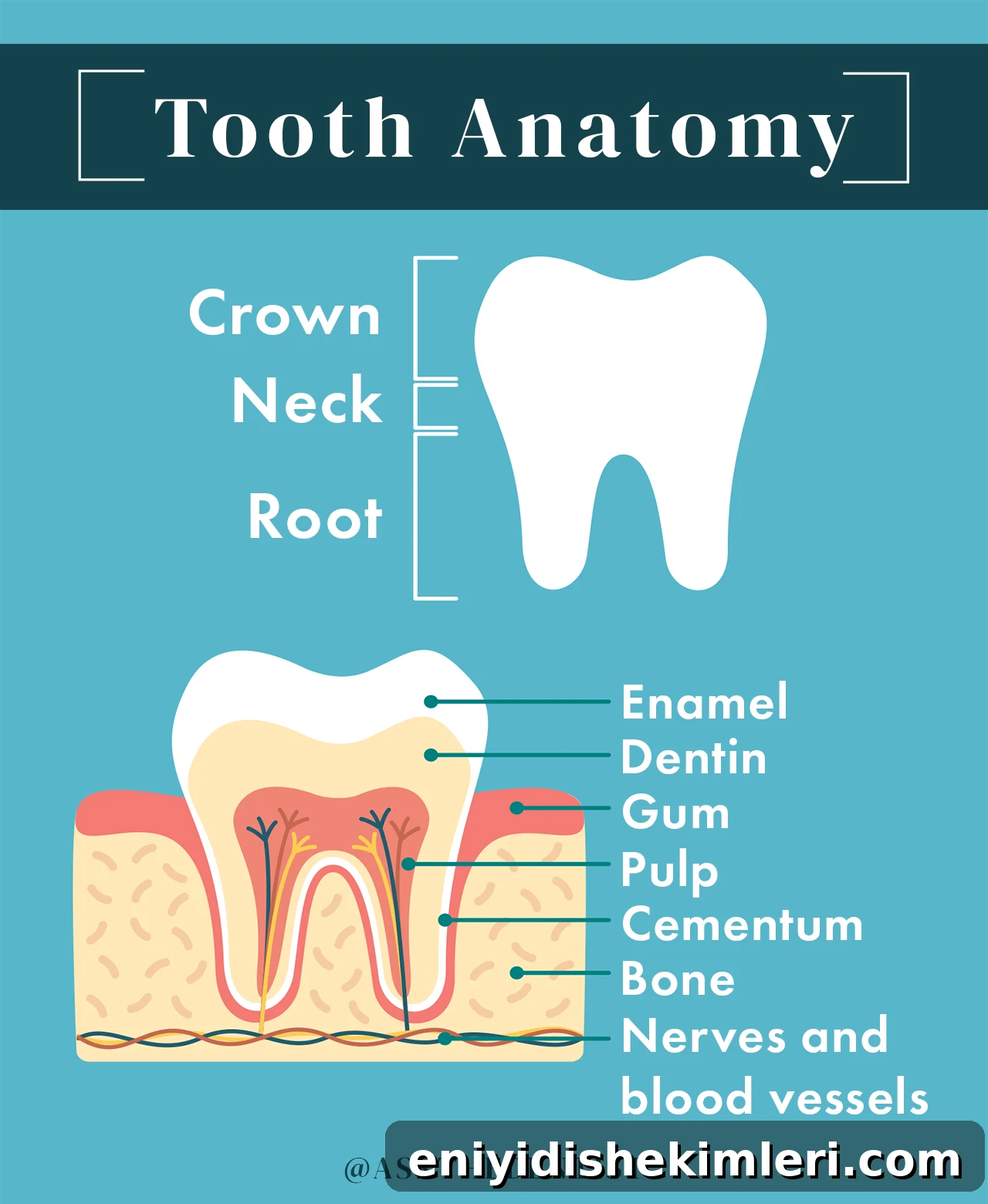
Preserving a tooth maintains bone, alignment, and normal bite mechanics. The most common complication after root canal therapy is fracture, since the tooth’s internal structure is removed. This is why crowns are commonly recommended, especially for back teeth.
How do you know if you need a root canal?
Irreversible pulpitis is the main indication for root canal treatment. It results when infection or inflammation destroys the pulp. Early detection of pulpitis through regular dental care and prompt attention to tooth pain can sometimes prevent progression.
Signs that may indicate the need for a root canal include:
- Tooth pain: Persistent or intermittent pain, pain when biting or with hot/cold that lingers, spontaneous pain, or positional pain that suggests an abscess.
- Gum bump (fistula): A pimple-like lesion on the gum can indicate an underlying infection.
- Swollen or tender gums: Localized swelling and redness may accompany infection.
- Darkening of the tooth: A tooth may turn grayish as its blood supply diminishes.
- Loose tooth: Bone loss from infection can cause mobility.
- Cracked tooth: Vertical cracks extending into the root often require endodontic treatment or extraction.
- Deep cavity: Extensive decay reaching the pulp can necessitate root canal therapy.
- Tooth abscess: A pus-filled area at the root tip is a common consequence of untreated pulpitis.
Diagnosing pulp status can be complex and involves clinical examination, testing, and imaging. If irreversible pulpitis is suspected, treatment is necessary even if pain temporarily subsides.
Do you need a root canal if there’s no pain?
Yes. A tooth with irreversible pulpitis requires root canal therapy or extraction whether or not you feel pain. Pain may diminish if the nerve dies or if antibiotics temporarily reduce symptoms, but the underlying problem remains.
What to ask before agreeing to treatment
Root canal therapy is an important decision. Sometimes a root canal is recommended when a filling could suffice. Before consenting, ask your dentist:
- Is a root canal absolutely necessary?
- Is recovery of the pulp possible?
- How was irreversible pulpitis diagnosed?
- What caused the pulp to die?
- What happens if I decline treatment?
- Would extraction and implant be a better option?
- How likely is the infection to spread?
- How confident are you in the procedure’s success?
- Should a specialist perform this?
If you are uncertain, seek a second opinion—particularly if reversible pulpitis is a possibility.
What to expect during a root canal procedure
Root canals are often completed in one visit, though some cases require two or more. Visits typically last 30–90 minutes depending on complexity. Retreatments may need additional visits.
Who should perform the root canal? General dentists are trained to perform root canals, but complex cases or retreatments are often referred to endodontists, who specialize in this work.
Before the procedure
Your dentist will take x-rays or a cone-beam CT and perform an exam. Antibiotics may be prescribed only for specific situations such as systemic infection, fever, rapid-onset infection, or immunocompromise.
During the procedure
A typical root canal sequence:
- X-rays and exam: Confirm anatomy and plan the procedure.
- Numbing: Local anesthesia fully numbs the area; sedation is optional for anxious patients.
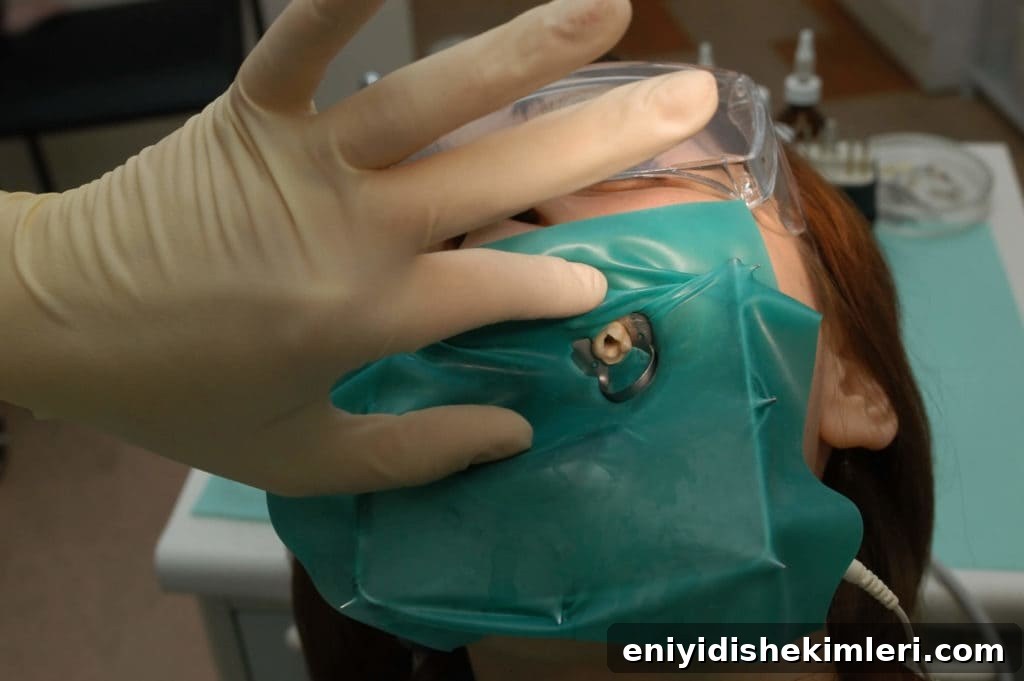
- Rubber dam: A dental dam isolates the tooth to keep it clean and dry.
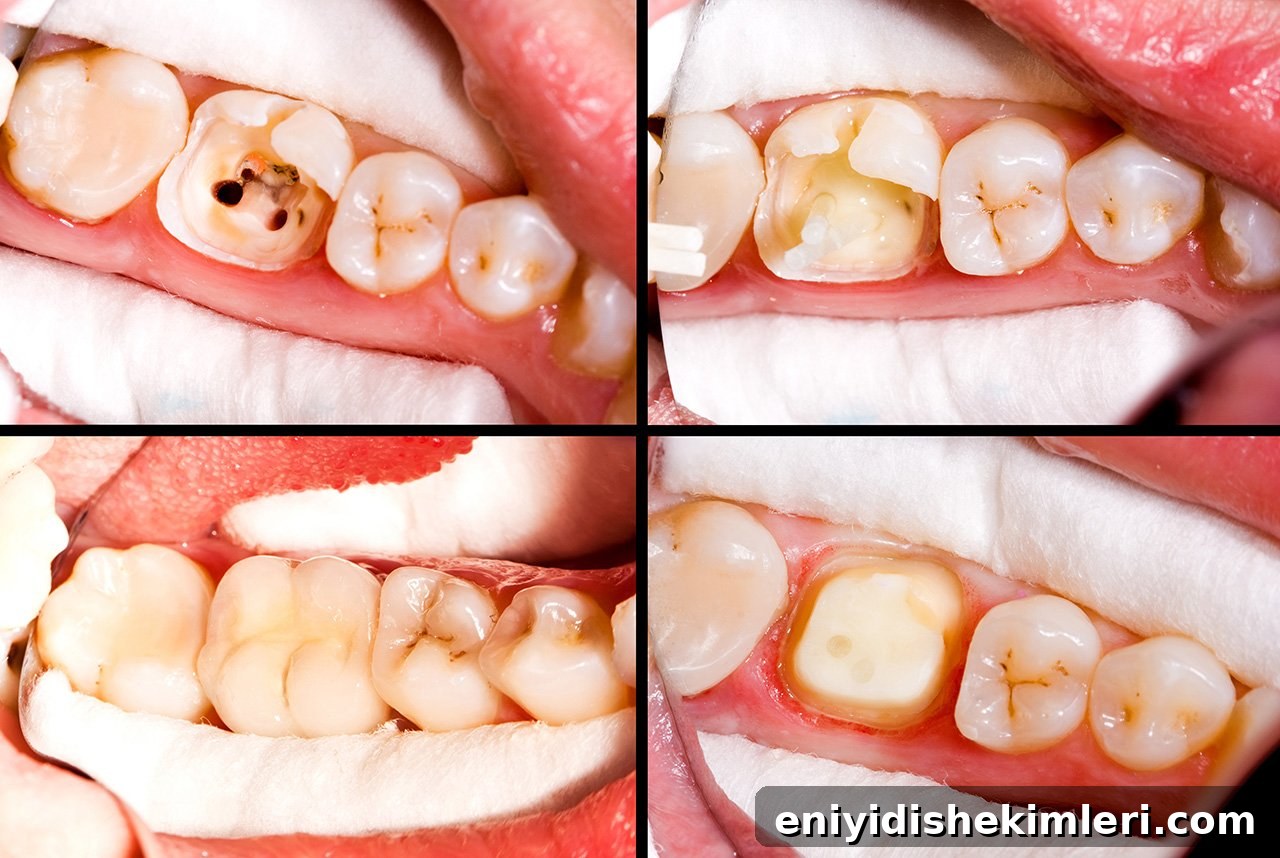
- Access opening: The dentist creates an opening to reach the pulp chamber.
- Cleaning and shaping: Infected tissue is removed and canals are shaped with precision instruments.
- Irrigation: Antibacterial solutions flush and disinfect the canals.
- Filling: Canals are filled with gutta-percha and a sealant; a temporary filling is placed until the final restoration.
Root canals are not painful when adequate anesthesia is given. Postoperative soreness is common but usually mild and short-lived.
Sometimes treatment is paused if unexpected findings arise, such as a separated instrument, severe calcification, an undetected fracture, or unusually complex canal anatomy. Your dentist should discuss options if these occur.
Getting a crown or filling
After root canal therapy, a definitive restoration—usually a crown—should be placed within 1–4 weeks. Molars and premolars generally need crowns; many front teeth can be restored with a filling.
Crowns protect the tooth from fracture, improve long-term success, restore appearance, and lower the risk of reinfection. Placing a crown involves preparing the tooth, taking impressions, fabricating the crown, and cementing it in place.
Antibiotics & root canal therapy
Antibiotics are often overprescribed for endodontic procedures. Current evidence supports antibiotics only for systemic signs of infection (fever), rapidly spreading or systemic infections, immune compromise, or specific trauma cases. Routine use does not generally improve root canal outcomes and contributes to antibiotic resistance.
How long can I go before getting a root canal?
If irreversible pulpitis is diagnosed, prompt treatment is important. Delaying treatment can allow infection to worsen, increasing pain, swelling, and the risk of systemic complications. In rare cases, untreated dental infections can become life-threatening, so do not postpone care.
Root canal recovery
To support recovery:
- Avoid smoking for at least a week.
- Avoid hard, crunchy, very hot, or sharp foods for 1–2 days.
- Avoid alcohol for 1–2 days.
- Don’t chew on the treated tooth until the final restoration is placed.
- Maintain normal brushing and flossing.
You can usually drive home after local anesthesia. If sedation was used, arrange for someone to drive you. Schedule a follow-up at about six months and periodic imaging every 3–5 years to monitor the treated tooth.
Pain after a root canal
Mild soreness is common and typically peaks within 17–24 hours. Over-the-counter pain relievers like ibuprofen or acetaminophen generally control discomfort. Persistent pain beyond a few weeks or severe pain at any time should prompt a dental re-evaluation, as it may indicate complications or treatment failure.
Root canal cost
Costs vary by tooth type, provider, and location. In the U.S., root canals can range from roughly $500–$2,250 before insurance. Crowns add several hundred to a few thousand dollars depending on material. Insurance often covers a portion, but annual caps and deductibles affect out-of-pocket expenses. Extraction with implant restoration is typically more expensive than a root canal with a crown.
Complications of root canal therapy
Possible complications include reinfection, incomplete filling, perforation, instrument breakage, overfilling, discoloration, and sinus irritation. No root canal can guarantee the complete removal of all bacteria in microscopic canal branches, so quality of technique and follow-up care are important for long-term success.
Prognosis & long-term outlook
Root canals have a high long-term success rate, especially when a crown is placed. Reported success rates generally range from about 80% to the mid-80s. Many root-canaled teeth last 10 years or more, and some last a lifetime. Factors that reduce success include poor technique, complex anatomy, pre-existing infection, periodontal disease, fractures, and retreatment needs.
Are root canals safe?
For most people, root canal therapy is safe and recommended by major dental organizations. Some alternative practitioners caution against root canals for theoretical systemic risks, but strong peer-reviewed evidence supporting those claims is lacking. If you are immunocompromised or have other risk factors, discuss alternatives with your provider.
Pros & cons of root canal treatment
When irreversible pulpitis is present, root canal therapy is one of the main treatment options. Pros include preserving the natural tooth, maintaining bone and bite, high success rates, and typically lower cost than extraction with implant. Cons include the impossibility of achieving a 100% sterilized canal, the potential need for retreatment, risk of fracture without a crown, and occasional long-term complications in susceptible patients.
Root canal prevention
Reduce your risk of needing a root canal by preventing decay and trauma: maintain good oral hygiene, use remineralizing toothpaste, choose tooth-friendly foods, limit sugary and acidic items, attend regular dental visits, avoid using teeth as tools, and wear a mouthguard during sports.
Root canal alternatives
Alternatives depend on the diagnosis and include large restorations or fillings (if pulpitis is reversible), extraction with restoration (implant, bridge, or denture), and regenerative endodontic techniques in select cases. Extraction with implant can offer predictable long-term results but is usually more costly.
Regenerative endodontics
Regenerative endodontics is an emerging approach that aims to restore inflamed pulp using disinfection and stem cell–mediated healing. Early results are promising for some cases, but the field is still developing, techniques are specialized, and access or insurance coverage can be limited.
FAQ
Q
What root canal irrigants are used to clear the pulp chambers and kill bacteria before the tooth is filled?
A
Common irrigants include sodium hypochlorite, chlorhexidine, calcium hydroxide, and ozone in some integrative practices. Adjunctive methods like antimicrobial photodynamic therapy have been studied to further reduce bacterial load.
Q
What are my options for root canal sedation?
A
Sedation options include minimal sedation (nitrous oxide or a mild oral sedative), moderate oral or IV sedation, and deep sedation/general anesthesia for patients who need it. Discuss your anxiety level and medical history with your dentist to choose the appropriate approach.
Q
Can I eat before a root canal?
A
Generally, you may eat up to an hour before a procedure under local anesthesia. If sedation is planned, follow your dentist’s instructions about fasting.
Q
Do root canals cause cancer?
A
There is no reliable evidence that root canals cause cancer. Modern endodontic materials and techniques differ substantially from older methods. A poorly performed root canal, however, can lead to local or systemic problems, so quality care and follow-up are important.
Q
Will a root canal give me a blood infection (bacteremia)?
A
Bacteremia can occur transiently with many dental procedures, including root canals. In healthy patients it is usually short-lived and handled by the immune system. In rare cases it can lead to more serious complications; antibiotics are reserved for those at higher risk or with systemic signs of infection.
Q
Why would my dentist not use a rubber dam for my root canal?
A
Rubber dams are standard because they isolate the tooth and reduce contamination. In patients with TMJ disorders or severe discomfort from holding the mouth open, a dentist may modify the approach or split treatment into shorter appointments.
Q
Can I get a root canal while I’m pregnant?
A
Available evidence indicates root canal treatment is generally safe during pregnancy, especially in the second trimester. Dentists will take precautions with anesthesia, sedation, antibiotics, and imaging. Discuss risks and timing with your provider and obstetrician.