I used to assume that feeling exhausted after eight hours of sleep was just part of getting older. It wasn’t. Once I understood what was really happening, everything changed.
Picture this: you wake up refreshed, mentally alert, and physically recovered after workouts. No dragging through the day, no mid-afternoon slump, no brain fog.
Fast forward a decade or two, and things can look very different:
😴 You wake up tired even after a full night’s sleep.
🩸 Your blood pressure is creeping up.
🏃♂️ Workouts feel harder and recovery takes longer.
🧠 Brain fog turns simple tasks into chores.
Sound familiar? You’re not alone. A major reason for these changes is a decline in nitric oxide (NO) production.
Nitric oxide keeps blood vessels relaxed and flexible, ensuring oxygen and nutrients reach every cell. It plays a vital role in:
✔ Energy and endurance
✔ Brain function and focus
✔ Heart health and blood pressure regulation
✔ Recovery and circulation
The problem: after about age 40, NO levels start to drop. When NO falls, your body cannot deliver oxygen as efficiently to tissues that need it most.
Important: After 35, maintaining healthy nitric oxide levels is one of the most effective steps you can take for energy, heart health, and cognitive function.
The good news is you can support and restore NO production with a few simple, evidence-informed habits that start in the mouth and nose.
Here are my essentials for keeping nitric oxide levels high:
1. Mouth Tape
Nitric oxide is produced in the nasal passages—but only if you breathe through your nose. Mouth breathing at night bypasses this NO source.
✔ Mouth taping encourages nasal breathing, which boosts NO production.
✔ Improves sleep quality and oxygenation so you wake up more refreshed.
✔ Reduces snoring, dry mouth, and morning fatigue.
If you wake up tired or with a dry mouth, try mouth taping as a simple, low-risk experiment.
2. Electric Flossing Stick
Gum inflammation undermines oral health and the bacteria that help support NO production.
✔ An electric flossing tool makes it easier to clean below the gumline effectively.
✔ Reduces oral inflammation and helps preserve beneficial oral bacteria involved in NO pathways.
✔ Important for heart health and long-term wellbeing.
Flossing is about more than cavities—it’s about systemic health.
3. Nasal Spray with Xylitol
NO production begins in the nose, so clear, healthy nasal passages matter.
✔ Xylitol does more than saline: it helps prevent bacteria from adhering to nasal tissues, lowering inflammation and infection risk.
✔ Keeps airways moist and open, supporting better NO generation.
If you wake congested or struggle to breathe through your nose, incorporating a xylitol nasal spray into daily care can help maintain long-term nasal health and NO production.
4. Tongue Scraper
Oral bacteria contribute to NO production, but they must be part of a balanced oral microbiome to be helpful.
✔ Scraping the tongue removes odor-causing and excess bacteria quickly.
✔ Supports a healthier oral microbiome, which is important for NO-related pathways.
✔ Also helps prevent bad breath.
If your tongue looks coated or white in the morning, add a tongue scraper to your routine.
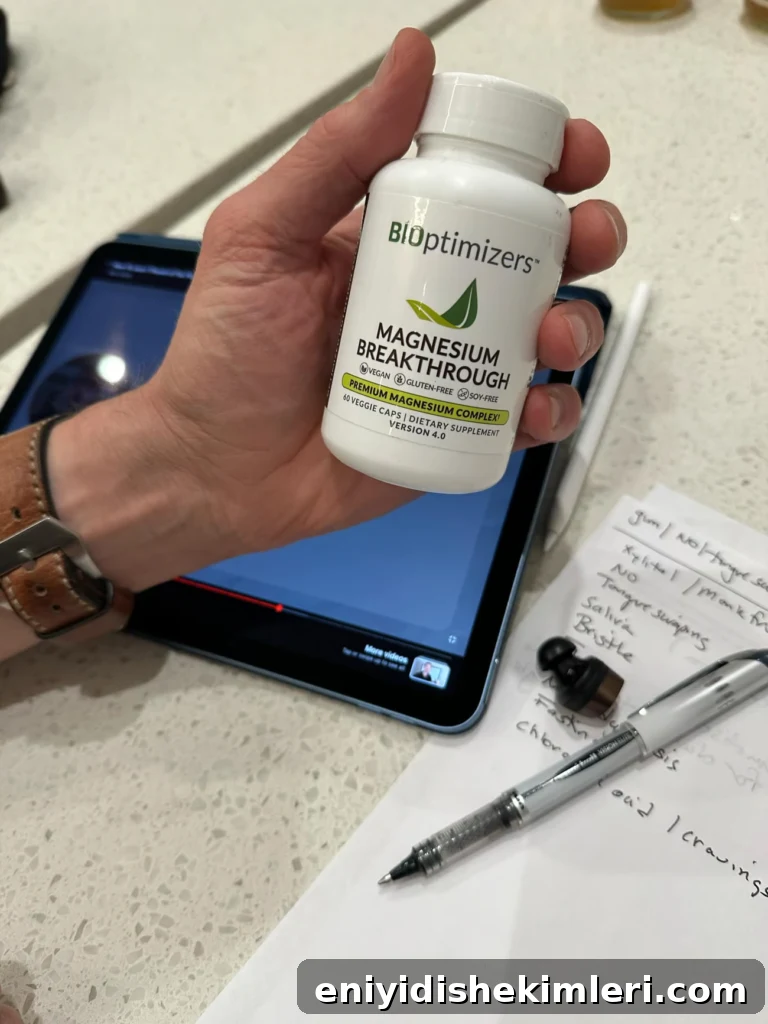
5. Magnesium
Many people are low in magnesium, and that affects NO synthesis.
✔ Magnesium activates nitric oxide synthase, the enzyme that produces NO.
✔ Helps relax blood vessels, improving circulation.
✔ Supports deeper sleep, better recovery, and healthier blood pressure.
If you’re not already supplementing magnesium, consider adding it—many find it improves sleep and overall recovery.
Wishing you a restorative weekend,
Mark
Know someone who would appreciate this?
Forward it to them and invite them to sign up for future emails.

P.S. Magnesium plays many roles in recovery, sleep, and even oral health. Because soils are depleted, many people lack enough magnesium for optimal function. A broad-spectrum magnesium formula that includes multiple forms can improve absorption and deliver wider benefits than a single-form supplement.
I recommend a comprehensive magnesium approach for patients who want reliable results. Some high-quality formulas use multiple forms and third-party testing to ensure potency and absorption. If you find a product that meets those standards, consider making it part of your routine for sleep, stress resilience, and overall health.