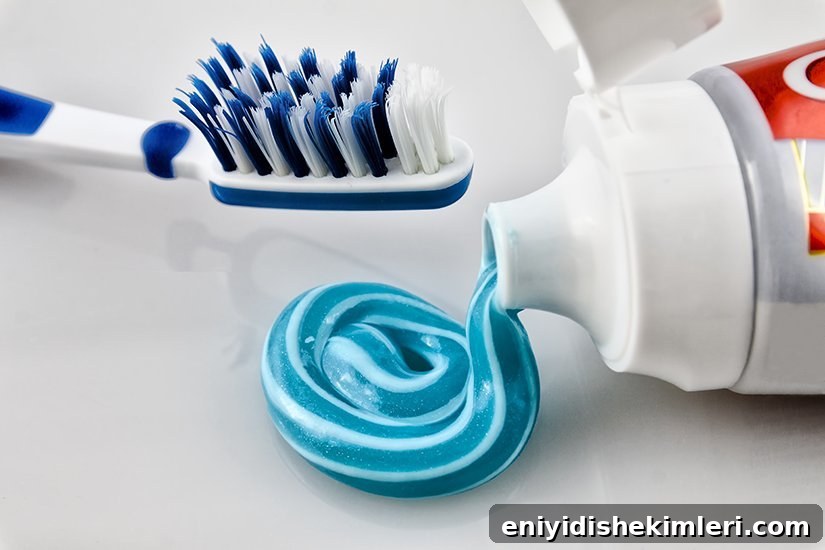
Q
Is triclosan in toothpaste safe? I use Colgate Total and am trying to separate the hype from fact. I thought the FDA was supposed to review the safety of triclosan, but that was a while ago. Is there any consensus on whether or not we should avoid triclosan?
A
I don’t use triclosan and I don’t recommend it. The potential benefit for oral health appears limited, while the possible harms — such as disruption of oral bacteria and interference with hormone systems — make it a substance worth avoiding until its safety is clearly established.
Colgate has defended keeping triclosan in Colgate Total, arguing it reduces the bacteria that cause gum disease and is therefore important for public health.
Triclosan and Oral Health
“Cleaner” is not always better. The mouth hosts an ecosystem of more than 700 species of bacteria, both beneficial and potentially harmful. Maintaining a balanced oral microbiome is essential for breath, saliva production, and resistance to infection.
An aggressive antimicrobial like triclosan can reduce both harmful and helpful bacteria indiscriminately, which may upset that balance. Disruption of oral flora can contribute to dry mouth, bad breath and may impair natural defenses.
Colgate cites over 80 clinical studies involving about 19,000 people to support the safety and effectiveness of triclosan in Colgate Total. However, many of those trials were funded or supported by the company, and long-term effects of chronic triclosan exposure were not fully assessed.
How Triclosan May Affect Hormones
Animal studies have raised concerns about triclosan’s impact on biological systems. Reported effects in some animal experiments include weakened heart muscle function, altered sperm morphology and bone deformities. Animal studies often use high doses that don’t directly translate to typical human exposure, but they do suggest possible biological activity that warrants caution.
Given the limited proven oral-health benefit and potential systemic effects, avoiding unnecessary exposure seems prudent. There are also environmental concerns about triclosan entering waterways and impacting aquatic life.
Triclosan Regulation by the FDA
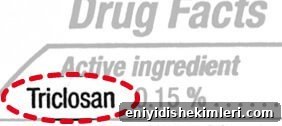 Documents released in recent years show the FDA relied in part on company-funded research when it approved triclosan for use in Colgate Total. Crest has since removed triclosan from its products, leaving Colgate Total as the major brand still using it in toothpaste formulas.
The FDA and other agencies have limited triclosan from certain uses, such as many consumer soaps, because it was not shown to be more effective than routine hand washing with soap and water. For toothpaste, the regulatory review has been more complex. The 1997 approval process did not rely on independent long-term safety data, and more recent transparency has revealed internal FDA concerns about triclosan as a potential endocrine disruptor and about the completeness of carcinogenicity testing.
The FDA has continued evaluating triclosan and has at times requested stronger evidence from manufacturers demonstrating that triclosan provides a clear benefit beyond standard oral hygiene.
What Are the Risks of Triclosan in Toothpaste?
Definitive long-term human data are limited. The FDA and other bodies have not issued a final, comprehensive ruling on triclosan in toothpaste for all uses, and research into long-term effects is ongoing. Meanwhile, many people continue to use triclosan-containing products.
The Core Issue
When benefits are small or uncertain and potential risks exist, the cautious approach is to minimize exposure. Relying on the absence of reported human harms is not a robust safety standard. Preferably, chemicals should be proven safe and necessary before widespread use.
Until more conclusive, independent data are published, avoiding triclosan in personal care products is a reasonable precaution.
My Recommendation
I avoid triclosan in both oral care and other consumer products and recommend others do the same if they prefer a cautious approach. Effective prevention of gingivitis and cavities depends primarily on consistent, proper brushing and flossing rather than an antimicrobial additive.
You can choose triclosan-free toothpastes by checking ingredient lists. Brushing and flossing twice daily, along with regular dental visits, remain the most reliable ways to maintain oral health.
Have confidence that good oral hygiene practices and routine dental care are the main drivers of long-term oral health, not chemicals added to toothpaste.
How to Prevent Cavities and Gingivitis Without Chemicals
- Stop using triclosan-containing toothpaste.
- Choose a triclosan-free toothpaste. If you prefer, also look for formulas free of sodium lauryl sulfate (SLS) or other ingredients you wish to avoid.
- Brush and floss properly at least twice a day. Consistent technique removes plaque and prevents gingivitis.
- Visit your dentist twice a year. Professional cleanings remove tartar and plaque that home care cannot.
- Drink plenty of water. It helps clear food particles and reduces plaque formation between cleanings.
- Consider probiotics for oral health. Supporting beneficial bacteria may help maintain a healthy oral microbiome.
- Eat alkalinizing foods. Vegetables and other low-acid foods can help reduce oral acidity that favors harmful bacteria.
- Inform friends and family. If you’re concerned about triclosan, share information and check the toothpaste brands they use.
- Consider natural toothpaste options. Toothpaste mainly aids mechanical cleaning by the toothbrush; flossing and brushing remain the essential practices.
Mark Burhenne DDS
Learn More:Fluoride Pros and Cons: Is Fluoride Safe?
References
Selected sources and studies have examined triclosan’s biological effects, regulatory responses and clinical evaluations. Readers interested in the primary literature and official agency statements can consult published animal studies, toxicology reviews and regulatory guidance from public health agencies for more detail.