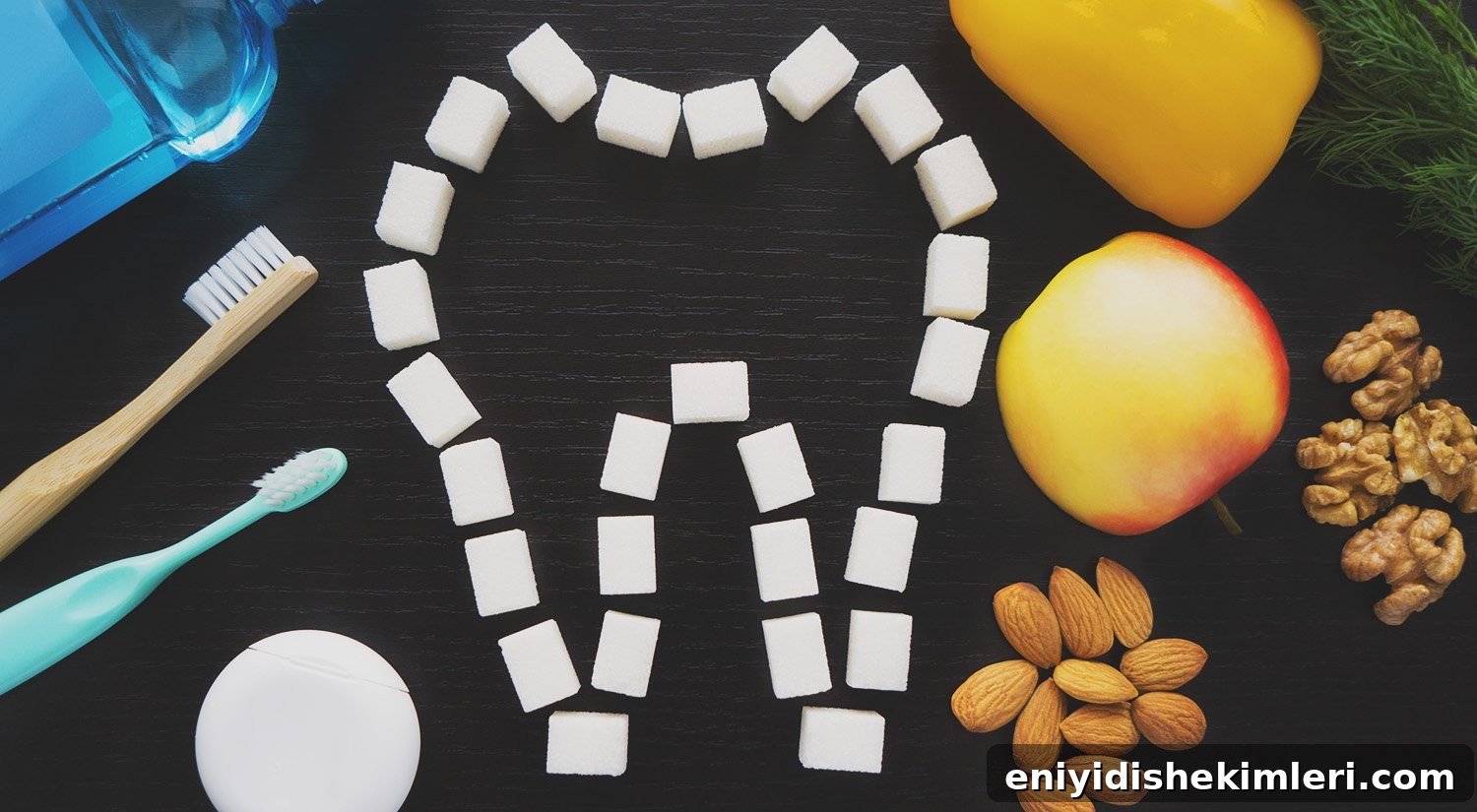
Brush, floss, rinse, and see your dentist regularly. That advice is common and helpful, but it addresses only part of the story. Modern dentistry offers many ways to treat cavities, yet it hasn’t solved the root cause for many people: diet.
Cavities remain the most common preventable chronic condition worldwide, and diet plays a central role in whether teeth stay healthy or begin to decay.
Ancient vs. Modern Diets
For most of human history, people gathered and hunted food that was unprocessed and varied. Our bodies evolved alongside these dietary patterns, and those eating traditional diets typically enjoyed far better oral health than many people do today.
Typical foods in ancient diets included:
- Meat, often consuming most parts of the animal
- Fish and seafood
- Seasonal fruits and vegetables
- Nuts and seeds
- Oils and natural fats in some cultures
Contrary to the myth that ancient people had poor teeth, historical observations and studies show that many traditional societies experienced low rates of dental disease. Dentist Weston A. Price’s early 20th-century fieldwork noted populations with straight, healthy teeth and little decay. When Western-style starchy, processed foods were introduced, dental problems often appeared within a single generation—more cavities and orthodontic issues became common.
What’s Missing in a Modern Diet?
The change wasn’t only about added sugar. Traditional diets often contained nutrients that are less common in modern eating patterns. Price described a nutrient he called “Activator X,” which many researchers now associate with vitamin K2. Vitamin K2 works with vitamins A and D to direct calcium properly through the body, contributing to stronger bones and teeth. When this nutrient network is lacking, teeth are more susceptible to decay.
Texture and variety also matter. Diets rich in leafy greens, whole animal foods, and seeds provide varied textures that require thorough chewing. Chewing stimulates saliva and mechanically helps keep teeth cleaner, reducing plaque buildup compared with diets high in soft, processed carbohydrates.
The Role of Saliva
Saliva is essential to oral health. It delivers minerals and enzymes to the mouth, buffers acids, and helps control harmful bacteria. Brushing removes plaque from tooth surfaces, but it does little to change saliva composition or production. Diet has a much greater influence on saliva quality—nutrient-dense foods support healthy saliva, while diets high in refined sugars, acids, and empty calories can impair it.
Why Brushing Still Matters
Brushing remains a critical habit. Cleaning teeth twice daily disrupts bacterial colonies on tooth surfaces, lowering the risk that they will form acidic, tooth-damaging plaque. Using a toothpaste that contains protective ingredients—such as fluoride or hydroxyapatite—adds another layer of defense by strengthening enamel and making teeth more resistant to decay.
Despite its benefits, brushing is only a few minutes out of the day. What you eat affects your oral environment around the clock, so diet choices have an outsized influence on long-term dental health.
The Bottom Line
Optimal oral health comes from combining consistent hygiene with a tooth-friendly diet. Brushing, flossing, and regular dental care can reduce risk, but they can’t completely counteract the effects of a nutrient-poor, highly processed diet. Prioritize nutrient-dense foods, balanced fats, and varied textures to support saliva, proper mineralization, and overall dental resilience.
In short: brush your teeth at least twice daily, but place even greater emphasis on feeding your body the nutrients it needs to keep teeth and gums strong.
References
- Helöe, L. A., & Haugejorden, O. (1981). “The rise and fall” of dental caries: some global aspects of dental caries epidemiology. Community Dentistry and Oral Epidemiology, 9(6), 294-299.
- Price, W. A. (1939). Nutrition and Physical Degeneration: A Comparison of Primitive and Modern Diets and Their Effects.
- Koshihara, Y., & Hoshi, K. (1997). Vitamin K2 enhances osteocalcin accumulation in the extracellular matrix of human osteoblasts in vitro. Journal of Bone and Mineral Research, 12(3), 431-438.