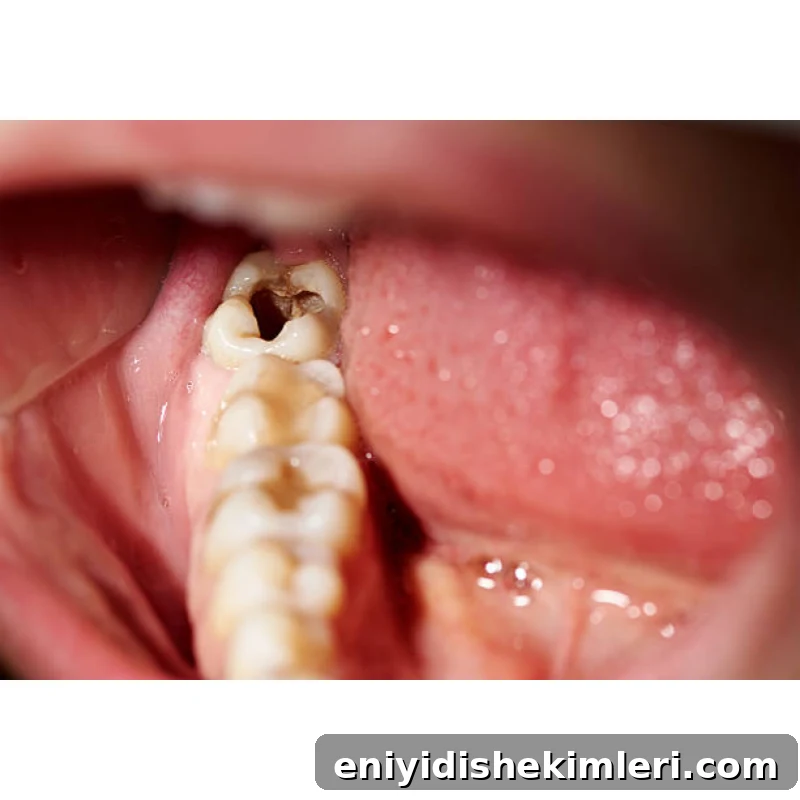
If you’ve ever wondered whether you can actually reverse a cavity, the short answer is: sometimes. Small, early-stage cavities can be halted and even remineralized if you support the body’s natural defenses—saliva, remineralization mechanisms, and a balanced oral microbiome.
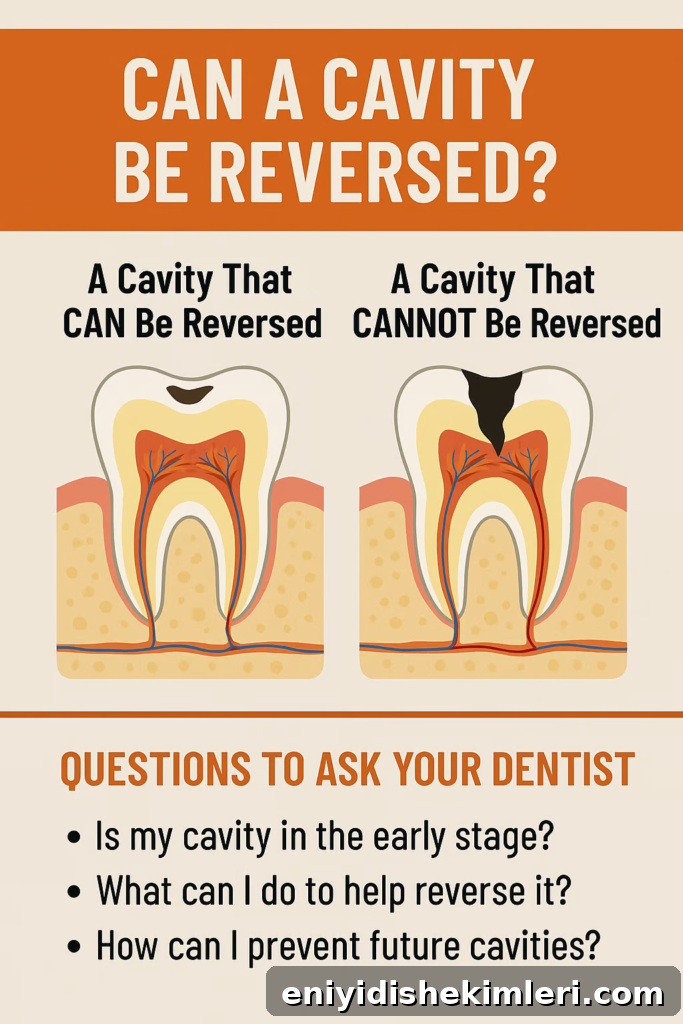
Reversing a cavity isn’t about brushing harder or scheduling more cleanings alone. It’s about creating the right environment inside your mouth so natural repair can occur. Below are practical, evidence-informed steps I use and recommend to patients, family, and friends—a concise guide to help support enamel repair and oral health.
Key Supplements I Recommend
Even with a nutrient-dense diet, targeted supplements can help support remineralization and saliva production:
- Magnesium — supports saliva production, aids vitamin D activation, and helps manage stress.
- Vitamin D3 + K2 — essential for calcium metabolism and proper remineralization of enamel.
- Vitamin C — supports gum healing, collagen formation, and controls inflammation.
Diet Matters: You Can’t Outbrush a Poor Diet
Foods supply the minerals and cofactors your teeth need to rebuild enamel and maintain a healthy oral microbiome. Keep these staples on hand:
- Calcium sources: sardines (with bones), cheese, leafy greens
- Vitamin D + K2: egg yolks, liver, grass-fed butter
- Magnesium: pumpkin seeds, spinach
- Vitamin A: liver and orange vegetables
- Vitamin C: citrus fruits and bell peppers
- Zinc: oysters, legumes, beef
- Collagen: bone broth and slow-cooked stews
- Probiotics: sauerkraut, kimchi, plain yogurt
Stop Grazing, Start Healing
Frequent snacking keeps the mouth in a constant acidic state, reducing saliva’s ability to repair enamel. Follow these simple habits:
- Eat 2–3 solid meals per day instead of continuous snacking.
- Rinse with water after eating to remove food particles and dilute acids.
- Avoid sticky carbohydrates like crackers or granola bars that cling to teeth.
- If you have sweets, consume them with meals rather than between meals.
- Wait 30–45 minutes after consuming acidic foods or drinks before brushing to allow saliva to neutralize acids.
Saliva needs time to buffer acid and deliver minerals back into enamel. Protecting that window is essential for remineralization.
Your Secret Weapon: Saliva
Saliva is the primary medium for remineralizing enamel. Support it with these approaches:
- Drink 2.5–3.5 liters of water daily to stay hydrated and maintain saliva flow.
- Breathe through your nose rather than your mouth to preserve moisture and saliva function.
- Discuss with your healthcare provider any medications that cause dry mouth and explore alternatives if appropriate.
- Manage stress—chronic stress reduces saliva production.
- Chew xylitol gum after meals to stimulate saliva and reduce harmful bacteria.
- If appropriate for you, consider gentle methods to keep the mouth closed at night, since mouth-breathing dries saliva.
My Nightly Oral Care Routine
A consistent, gentle routine helps maintain a balanced oral environment:
- Use a toothpaste that contains prebiotics, xylitol, and hydroxyapatite to support remineralization.
- Floss every evening to remove interdental plaque and food debris.
- Brush twice daily with soft or extra-soft bristles using gentle circular motions rather than aggressive back-and-forth strokes.
- Tongue scrape each morning to reduce bacterial load and improve breath.
- Avoid routine antiseptic mouthwashes that can disturb beneficial oral bacteria unless specifically recommended by your dentist.
- Try brushing with your non-dominant hand occasionally to reduce the risk of overbrushing.
Consider Oral Microbiome Testing
Testing your oral microbiome can reveal patterns that increase risk for tooth decay, gum inflammation, bad breath, or systemic concerns. A targeted test can provide personalized dietary and oral care recommendations to help rebalance bacteria and improve oral and overall health.
Which of these strategies will you try first? I’d love to hear what works for you—feel free to reply and share your experience.
Know someone who would appreciate this information? Forward it to them and encourage them to sign up for future updates.

P.S. Magnesium plays an important role in sleep, stress management, and supporting oral health. If you choose to supplement, select a well-formulated magnesium product and follow dosing guidance from a healthcare professional. Keep in mind that supplements are complementary to a nutrient-rich diet and consistent oral care.