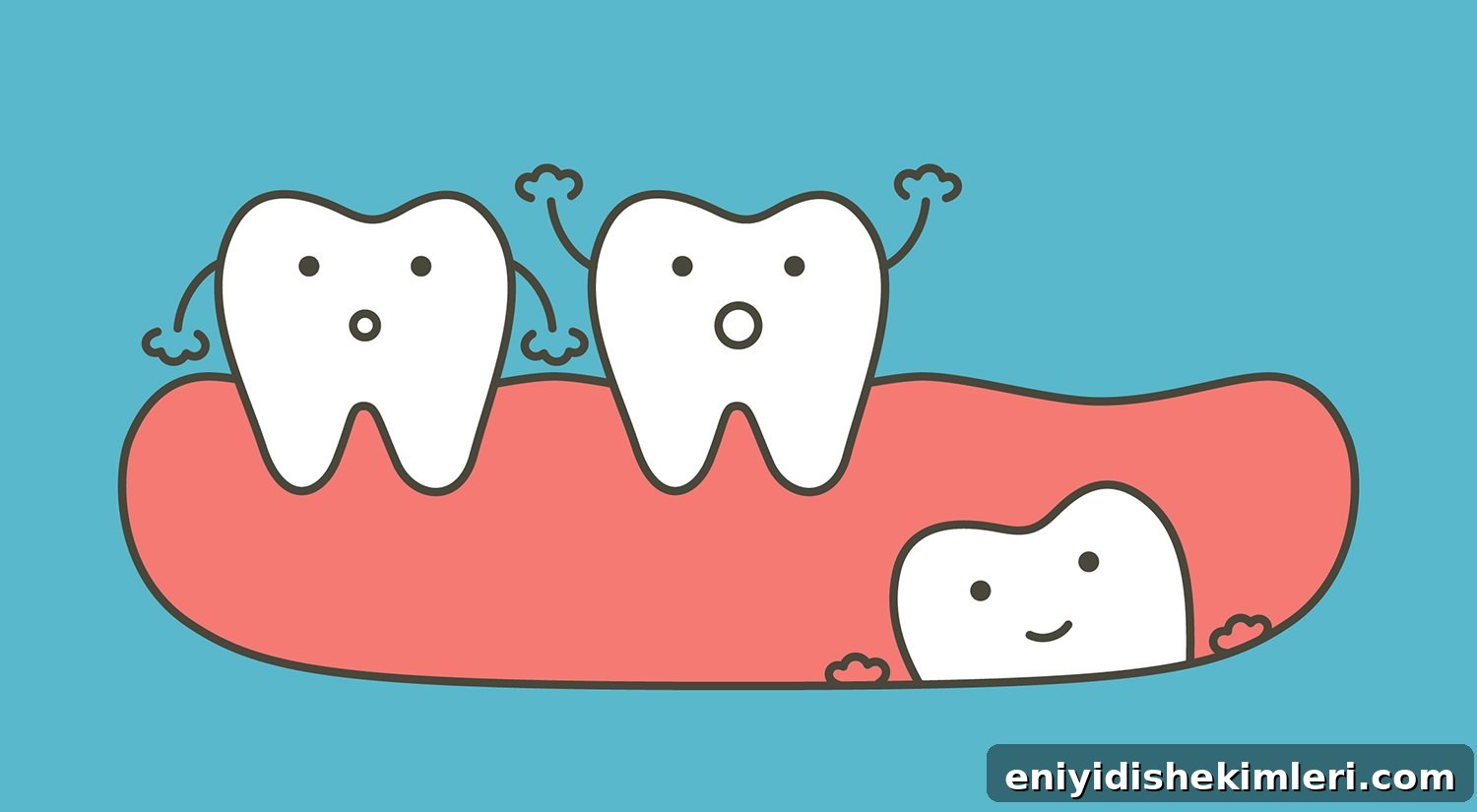
So your dentist has recommended wisdom teeth removal and you’re feeling nervous. This guide explains what to ask, what to expect during the procedure, how recovery usually goes, and practical steps to speed healing so you can feel prepared and confident before surgery.
By the end of this post, you’ll know:
- What to ask your dentist
- What to expect during the procedure
- What to expect in terms of pain
- How to reduce the risk of a dry socket
Ask the Dentist is supported by readers. If you purchase through recommended links, Ask the Dentist may earn a small commission at no extra cost to you. Recommendations are based on research and experience to help improve oral health.
How Necessary Is Wisdom Teeth Removal?
Most people do not have enough jaw space for wisdom teeth to erupt properly. Because the jaw doesn’t grow large enough in many modern diets and lifestyles, wisdom teeth (third molars) often come in at an angle or remain partially buried. This can damage neighboring second molars, create food traps, lead to decay, and increase the risk of infection. Dentists typically recommend removing wisdom teeth before they cause trouble to avoid more complex surgery later.
Why Don’t We Have Room for Wisdom Teeth?
Modern jaw size is often smaller than in past generations, partly due to diet and nutrient differences during development. Vitamin K2 plays an important role in directing calcium into bones during growth. Foods rich in K2—organ meats and products from grass-fed animals—are less common in modern diets, and childhood eating patterns (soft processed foods, prolonged bottle or sippy-cup use) reduce the chewing stimulus that promotes jaw development. As a result, many people today develop a lower face with less room for all 32 teeth to erupt in alignment.
Will I Need Mine Removed?
Do a quick check: use a mirror to look at your lower molars. By age 12, you should see two molars; wisdom teeth are the third molars behind them. To estimate space, place a finger behind a second molar. If you feel a flat pad of tissue, you may have room; if the tissue curves upward, space is likely limited. This is a rough check—your oral surgeon will measure the space precisely during consultation.
What to Ask at the Consultation
- Do all of my wisdom teeth need to be removed?
- What anesthesia options are available?
- What complications do you anticipate? What is the worst-case scenario?
- How does my case rank in difficulty compared to others you’ve done?
- What are the risks of the surgery?
- Will my face swell? How long until my appearance returns to normal and I can go back to work or school?
- What happens if I leave my wisdom teeth in?
What Happens If I Don’t Have Them Removed?
Untreated wisdom teeth can erupt sideways and press against second molars, altering the bite, trapping food, causing decay, and triggering infections. In some cases where teeth remain impacted and are not removed, the surrounding tissue can develop pathologies over time. If you were born without wisdom teeth, no extraction is needed; a minority of people simply never develop them.
What’s the Best Time to Get Wisdom Teeth Removed?
Before the root is fully formed.
Removal is generally easier and recovery quicker when performed before roots fully develop. Immature roots mean less bone anchorage, making extraction simpler.
At the start of a break.
Schedule surgery at a time when life is relatively calm—summer break, for example—so you have time to recover, someone to assist you afterward, and less stress. Avoid scheduling immediately before major events when complications could arise.
How Long Can I Wait to Get Them Removed?
Consider whether the situation is likely to worsen. Impacted or partially erupted teeth can become more complicated over time. There is no exact rule for every case—trust a qualified surgeon’s judgment about whether to remove them now or monitor further.
How Long Is Wisdom Teeth Recovery Time?
Typical recovery lasts about a week, with uncomplicated cases sometimes recovering in four days. Recovery duration depends on:
- Anesthesia choice: Local or nitrous tends to allow faster recovery than IV sedation or general anesthesia.
- Nutrition: A nourishing diet supports healing more than an overly sugary or limited diet.
- Prevention of dry socket: Avoiding straws, not elevating the head, and brushing too soon can delay healing. Follow your surgeon’s post-op instructions to reduce the risk.
What to Expect the First Twelve Months After Surgery
- Changes in facial fullness: Some patients notice subtle thinning of the cheeks over time as bone remodels after extraction.
- Sensitivity of neighboring teeth: Second molars may feel cold sensitivity for weeks to months while they re-calcify; desensitizing toothpaste can help.
- Gum texture changes: Small folds or irregularities in the gum can occur as bone and soft tissue remodel.
- Occasional exfoliating bone fragments: Years later, a small flake of bone may work its way out; your dentist can remove it if needed.
- Intermittent bone ache: Some patients describe a dull ache as remodeling continues.
- TMJ symptoms: Limited opening, clicking, or jaw pain can result from prolonged mouth opening during surgery; rest, ice, and following TMD care guidelines help.
Who Should Perform a Wisdom Teeth Removal?
Specialists (oral surgeons) routinely handle complex cases and complications; they are often the best choice. Many general dentists also do extractions skillfully. Confirm your provider performs these surgeries regularly and uses proper oral surgery equipment. Ask whether the handpiece is designed for oral surgery to avoid rare but serious complications.
How to Prepare for Wisdom Teeth Surgery
Wisdom teeth removal is usually outpatient. Before surgery, ask your provider:
- Are you willing to perform a bone graft (often recommended for patients over 25 to reduce sensitivity in adjacent teeth)?
- Should someone drive me home? (Most sedation options require a driver.)
- Do I need to fast? If so, when should fasting begin?
- Can I take my prescription medications before the procedure?
- Are there over-the-counter drugs I should avoid beforehand?
Anesthesia Options
Options range from least to most intensive:
- Local anesthesia: Awake but numb; you may feel pressure but no pain. Fastest recovery.
- Sedation anesthesia (IV): Consciousness suppressed; limited memory of the procedure. Local anesthesia is used as well.
- General anesthesia: Completely unconscious; used for more complicated cases. Local anesthesia is also applied.
- Nitrous oxide with local: Nitrous can reduce anxiety, works quickly, and wears off fast—an effective option for many anxious patients.
For children, anesthesia administered by an anesthesiologist is recommended due to different sensitivity levels.
Choosing Anesthesia: Pros and Cons
IV Sedation
Pros: Few or no memories of the procedure; may make surgery easier for the surgeon in complex cases.
Cons: Longer grogginess and recovery, higher cost, need for a driver, and requires highly trained staff due to increased risks.
Local with Nitrous
Pros: Faster recovery, you can communicate during the procedure to avoid overextending the jaw (reducing TMJ risk).
Cons: You’ll be awake, may hear noises, and may feel pressure but no pain. Some people experience mild nausea from nitrous.
During the Procedure: What to Expect
Before You Leave Home
- Go in clean: floss, brush, and tongue-scrape beforehand since you may be unable to do so for several days.
- Prepare a recovery area at home with elevated pillows, water, entertainment, and comfortable bedding.
- Stock up on easy-to-eat, nourishing foods like bone broth or ready-made soft meals—cooking while medicated is difficult.
Tips for Staying Comfortable
During the Procedure
- Bring a blanket—comfort helps reduce anxiety.
- Ask if taking a mild preoperative anti-anxiety medication is appropriate for you.
- Practice slow breathing to stay calm; techniques like 4-7-8 breathing can help.
- Bring a friend who has undergone the procedure for support.
- Wear comfortable, layered clothing; short sleeves are helpful for IV access.
- Use in-ear headphones to block sounds and listen to calming audio or a podcast.
After the Procedure
After sedation or general anesthesia you’ll be observed in a recovery area; with local anesthesia you may recover in the dental chair briefly. Ask whether sutures were placed so you can recognize them during healing. Once breathing and bleeding are stable, you’ll be discharged to a responsible driver.
At Home
- Stay elevated for the first three days: keep your head above heart level to reduce swelling and bleeding.
- No straws, swishing, spitting, or blowing: these actions can dislodge the clot and cause a dry socket.
- Do not smoke: tobacco and marijuana increase dry-socket risk and impair healing.
- Use ice packs: external cold on the cheek reduces swelling. Keep a frozen pack ready so one is always available.
- Avoid brushing the surgical area: wait 2–3 days before gentle brushing near the sites.
- Manage pain carefully: consider using a pill cutter to take the lowest effective dose; prioritize ice and non-opioid measures when possible.
- Stay hydrated with lukewarm fluids: avoid hot or very cold drinks and do not suck or slurp.
- No solid foods for 24 hours: start with broth, smoothies, or lukewarm soft foods. After 24 hours, progress slowly to soft solid foods.
- Avoid vigorous activity: even mild exertion can dislodge the clot; rest and rely on friends or family for help.
When to Call Your Dentist or Surgeon
Contact your dentist or oral surgeon immediately if you experience any of the following:
- Difficulty swallowing or breathing
- Excessive bleeding (not just oozing)
- Pus at the extraction site
- Tingling or loss of sensation
- Fever
- Blood or pus in nasal discharge
- Unbearable pain not relieved by prescribed medication
- Swelling that worsens after two to three days
Dr. Mark Burhenne