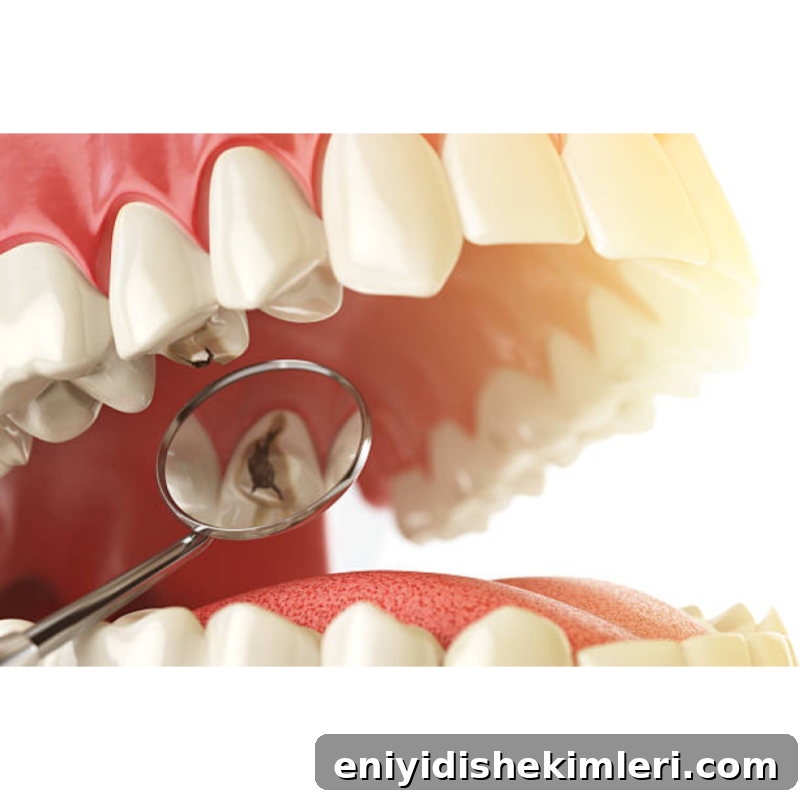
Here’s exactly what I would do and eat to try to reverse a small cavity.
Cavities are not always permanent. Teeth are living tissues capable of repairing themselves through remineralization, a process where minerals such as calcium and phosphate—delivered by saliva—are redeposited into enamel. For remineralization to succeed, the body and mouth must be in the right conditions.
The ideal time to begin is right after a professional dental cleaning. Once tartar and the bacteria it shelters are removed, the teeth are better prepared to heal.
1. Start the day with oral-microbiome friendly habits
Each morning before breakfast, scrape your tongue twice to remove biofilm and allow beneficial bacteria to flourish. Follow this by drinking a cup of green tea. Green tea contains polyphenols that help reduce cavity-causing bacteria while supporting the beneficial microbes in your mouth.
2. Ensure adequate magnesium
Magnesium plays a key role in remineralization because it helps the body absorb and use calcium and phosphate—two minerals essential for rebuilding enamel. Taking a magnesium supplement in the evening can support these processes, as well as sleep, stress management, and overall health. Choose a quality product that supplies several forms of magnesium to support cellular needs.
3. Eat meals that support remineralization
If I had a small cavity, I would favor meals rich in fat-soluble vitamins (A, D, K2), calcium, and prebiotic vegetables. Consistently eating nutrient-dense meals gives your body the raw materials it needs to repair enamel.
Breakfast: Cheesy Veggie Scramble
- 2 pasture-raised eggs for vitamin D
- 1/4 cup grated cheddar cheese for calcium
- 1/4 cup sautéed bok choy and onions for prebiotics
- 1 tsp olive oil
Cook the vegetables first, then scramble in eggs and cheese for a nutrient-packed start to the day.
Lunch: Roasted Japanese Yam with Ghee and Garlic + Tricolore Salad
- 1 medium roasted Japanese yam topped with 1 tbsp ghee and minced garlic
- A salad of arugula, radicchio, frisée and 1/4 cup sauerkraut for prebiotics and probiotics
Dinner: Ancestral Beef Blend Meatballs with Bok Choy and Mushrooms
- 1 lb ancestral organ meat and beef blend
- 1 egg, 2 minced garlic cloves, and 1/4 cup grated Parmesan
- 2 cups sautéed bok choy and 1 cup mushrooms cooked in olive oil
4. Protect and monitor the oral microbiome
After a professional cleaning, take steps to support a healthy oral microbiome and prevent harmful bacteria from returning.
- Floss daily: Floss at least once daily, and consider a second session if needed. Regular flossing reduces bacterial buildup between teeth.
- Use an oral probiotic: An oral probiotic can help maintain beneficial species in the mouth and rebalance the oral flora.
- Test and track: Consider microbiome testing to monitor progress and identify bacterial imbalances that may affect dental health.
- Clean oral appliances: If you wear a retainer or night guard, clean it daily with plain water or a gentle appliance cleaner to avoid reintroducing bacteria.
5. Prioritize hydration
Saliva is one of the most powerful tools for healing teeth: it neutralizes acid and delivers calcium and phosphate to enamel. Stay well hydrated and consider electrolytes such as magnesium and potassium if needed to support saliva production.
6. Promote nasal breathing at night
Breathing through the mouth during sleep dries the mouth and reduces saliva flow, weakening natural defenses. Encouraging nasal breathing overnight—using a simple tape method if appropriate and comfortable—can help maintain saliva levels and protect teeth.
7. Avoid snacking between meals
Every time you eat, the mouth becomes more acidic for up to 30 minutes. Frequent snacking prevents teeth from recovering and interferes with remineralization. To support enamel repair, stick to two to three meals per day and avoid all snacks except water or unsweetened oral-microbiome friendly tea.
In short: reduce factors that cause demineralization—sugary foods and frequent snacking—and focus on supplying the nutrients, hydration, and microbiome care that support remineralization. Magnesium is central to these processes and can be a useful part of an overall oral-health plan.
You’ve got this—your teeth can benefit from these consistent habits.
Dr. B

P.S. Some supplement manufacturers offer satisfaction guarantees on their products. If you choose to try a supplement, review the provider’s terms to understand their return policy and guarantee details.