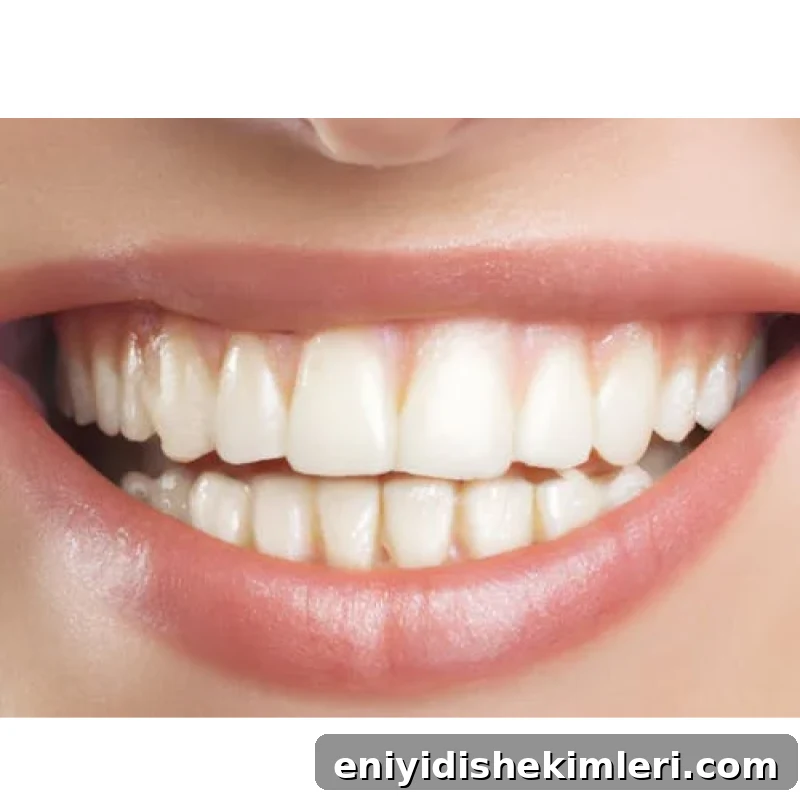
When I began my dental career, the introduction of hydrogen peroxide for teeth whitening felt revolutionary. It was satisfying—and profitable—to help patients feel more confident with brighter smiles. Over time, though, we learned important caveats about whitening agents and their effects on oral health.
Carbamide peroxide, a widely used whitening ingredient, works by oxidizing stains. That chemical action releases free radicals and can damage living dental tissue and disturb the oral microbiome. What started as a controlled in-office treatment has become widely available for home use, increasing the risk of improper application and long-term harm.
Regulations in Europe reflect a more cautious approach: no whitening for those under 18, and low-concentration products (around 10%) are recommended. I advise following that guidance—10% carbamide peroxide is gentler and safer for longer-term use, though it takes more time to achieve results. Stronger, unregulated products sold online can cause severe sensitivity and may disrupt oral microbial balance, which has implications beyond the mouth: the oral microbiome influences cardiovascular health, brain health, digestion, and more.
In the 1990s hydroxyapatite (HAP) emerged as an alternative. Rather than bleaching, nano-hydroxyapatite integrates with enamel by filling micro-defects with the same mineral that naturally composes teeth. This biomimetic approach supports remineralization, improving strength and appearance without the risks associated with peroxide-based bleaching.
Here’s a concise comparison of common whitening and remineralizing approaches:
- Carbamide Peroxide:
- Mechanism for whitening: Bleaches enamel by oxidizing organic compounds responsible for discoloration.
- Pros: Produces rapid, often dramatic whitening; capable of achieving much lighter shades than natural tooth color.
- Cons: Generates free radicals that can injure living tissue and disturb the oral microbiome, potentially causing oral and systemic consequences. It frequently causes increased tooth sensitivity that can last for weeks or months. Peroxide also has a transient desiccating effect that temporarily lightens teeth but makes them more susceptible to staining from wine, coffee, and berries.
- Hydroxyapatite (HAP):
- Mechanism for whitening: Restores enamel by depositing calcium and phosphate particles that fill microdefects and support natural remineralization.
- Pros: No risk of over-whitening; strengthens enamel, improves surface smoothness, and supports a healthy oral microbiome. Results are longer lasting when nano-HAP is used consistently.
- Cons: Slower to show visible change than peroxide-based bleaches. Hydroxyapatite tends to restore teeth to their natural shade rather than producing the unnaturally bright “Hollywood” white some people seek.
- Fluoride:
- Mechanism: Enhances remineralization by incorporating into enamel as fluorapatite.
- Pros: Highly effective at preventing cavities and strengthening enamel.
- Cons: Fluoride-induced remineralization can create a different surface texture that may reflect light less favorably than HAP-restored enamel. There are also concerns about systemic exposure and effects on developing brains if exposure is excessive.
In practical terms, hydroxyapatite doesn’t merely bleach stains; it helps restore enamel’s natural sheen and smoothness. Nano-HAP particles fill microscopic defects, producing a smoother surface that reflects light more evenly. That improved reflectivity gives teeth a naturally brighter, healthier appearance without altering their fundamental shade.
Nano-HAP is a biomimetic material that mirrors the minerals already present in enamel. The particles used in toothpaste closely resemble the natural crystals in teeth. In the mouth, saliva acts as the reservoir for minerals needed in remineralization. Using a hydroxyapatite toothpaste supplies those mineral building blocks—like filling a box of Lego pieces—so enamel can repair itself when conditions allow.
This remineralization-centric approach strengthens teeth and improves appearance without the risks of over-bleaching. While some industry-sponsored studies use subjective color assessments, there is research using objective measures—such as spectrophotometry—to evaluate nano-HAP’s effect on tooth color.
If you prefer a conservative, health-focused route to whiter teeth, consider nano-hydroxyapatite as a long-term strategy. It supports enamel repair, reduces sensitivity risk, and helps maintain a balanced oral microbiome—benefits that go beyond surface whitening.

P.S. Many hydroxyapatite toothpastes are available as an alternative to peroxide-based whiteners. Look for reputable products and follow usage recommendations to support enamel health and maintain a naturally bright smile.