Last week our podcast reached 100,000 downloads — a meaningful milestone and clear proof of growing interest in functional dentistry. Thank you for listening and for sending your questions. If you haven’t subscribed yet, visit askthedentist.com/podcast to subscribe.
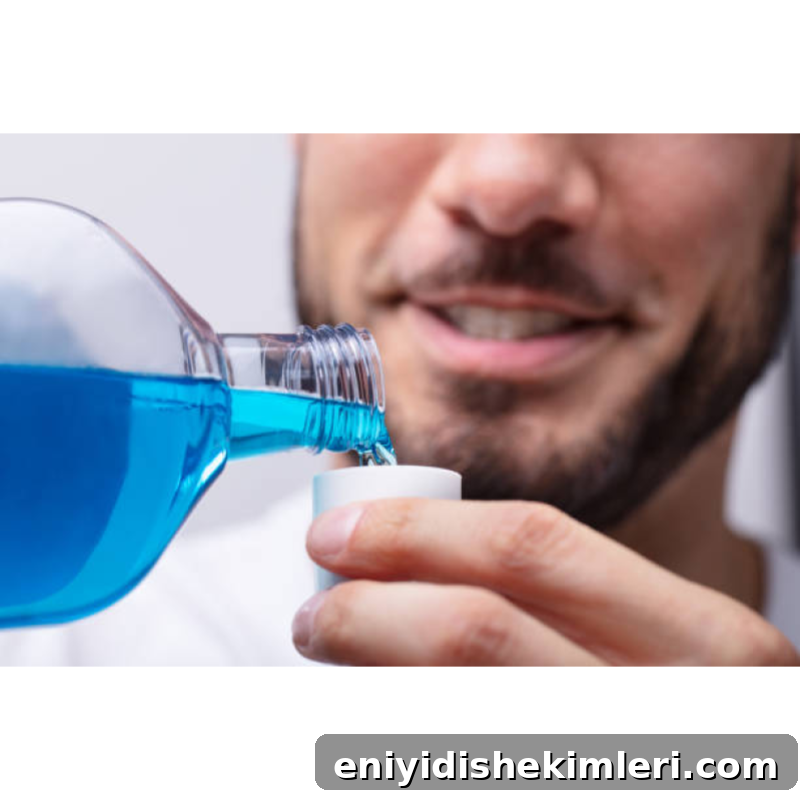
Today I want to address the connection between mouthwash use and high blood pressure. Although this has been debated among dental professionals, recent evidence supports the concern that certain mouthwashes can contribute to elevated blood pressure.
Multiple studies back this link. A systematic review found an association between mouthwash use and increased risk of hypertension. Another study suggests that frequent, regular use of over-the-counter antiseptic mouthwashes may raise the risk of high blood pressure independently of common hypertension risk factors.
The reasoning is straightforward: mouthwashes designed to disinfect disrupt the oral microbiome. That disruption can interfere with oral bacterial pathways that help regulate nitric oxide (NO) production, and disturbed NO pathways are linked to higher blood pressure.
If mouthwash can raise blood pressure by harming NO-producing oral bacteria, can supporting those bacteria lower blood pressure?
Yes. Research shows that encouraging a healthy oral microbiome on the tongue can reduce blood pressure. One study published in 2019 found that managing biofilm on the back of the tongue through tongue scraping led to measurable reductions in blood pressure. This supports the idea that preserving NO-producing bacteria in the mouth is beneficial for vascular health.
There is a gap between emerging research and traditional dental training, so many clinicians may not yet recognize the potential systemic risks of antiseptic mouthwashes. It’s important to have open conversations with both your dentist and physician about how your oral care practices affect your overall health.
Before immediately turning to medications for mildly elevated blood pressure, consider whether oral microbiome balance might be a contributing factor. Simple measures such as tongue scraping and dietary choices that support beneficial oral bacteria can be practical, proactive strategies to help manage blood pressure and improve oral health.
When you next see your dentist or doctor, discuss the role of oral health in systemic health and ask about the potential consequences of antiseptic mouthwashes. Share this information with your dental team and friends so more people understand this important link.
✨ 🎧 If you want to hear more, I recently appeared on Bethany Cameron’s Digest This podcast — a fresh episode that dives into the oral microbiome and systemic health. It’s an engaging discussion and well produced.
Thank you for reading. If you have questions or concerns, please reach out — I’m happy to help.

P.S. A useful free resource on my website is this CRP Letter, an example of how to help your dentist and physician collaborate on oral-systemic health concerns.