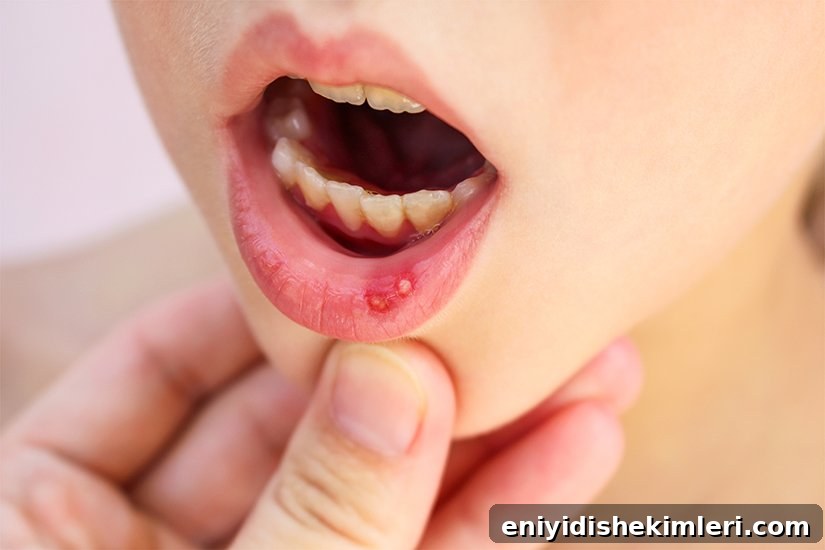
What causes canker sores, how to prevent them, and how to ease the pain when they occur…
Q
I have been plagued with canker sores my entire life. What can I do to prevent them? What causes them? When I do get them, how can I get them to be less painful?
A
Canker sores can be a recurring and frustrating problem. They often appear when your body is under strain—common triggers include fatigue, high stress, and poor nutrition. Sun exposure and excessive alcohol intake are also known contributors. In addition, some studies suggest that sodium lauryl sulfate (SLS), an ingredient in many toothpastes and mouthwashes, may increase the likelihood of developing canker sores for susceptible people.
Another frequently missed cause is mechanical irritation. A rough edge on a night guard, denture, orthodontic retainer, or clear aligner can rub the inside of the cheek or tongue and cause a sore. I’ve also seen canker sores repeatedly form where a sharp tooth edge made by grinding continually irritates soft tissue. That kind of problem is usually straightforward to diagnose and resolve by smoothing the tooth or adjusting the appliance.
If a canker sore keeps appearing in the same spot, make an appointment with your dentist. They can inspect for sharp teeth or rough areas on oral appliances and smooth or round those edges to prevent ongoing abrasion.
How to reduce occurrence and severity
- Get adequate sleep—aim for around eight hours per night.
- Manage stress with relaxation techniques, exercise, or counseling.
- Maintain a balanced diet rich in whole foods and nutrients.
- Consider supplements if you’re deficient—B vitamins (particularly B12 and folate) are commonly linked to mouth ulcer risk.
- Limit alcohol, since it can trigger or worsen outbreaks for some people.
- Avoid oral-care products containing sodium lauryl sulfate (SLS).
Many patients are surprised that alcohol can be a factor. You don’t necessarily need to stop drinking completely, but reducing intake or noting patterns (for example, whether sores follow a weekend of heavier drinking) can help you identify a personal trigger. It may take a few trials to find the level that provokes a sore, but paying attention to patterns can make prevention more effective.