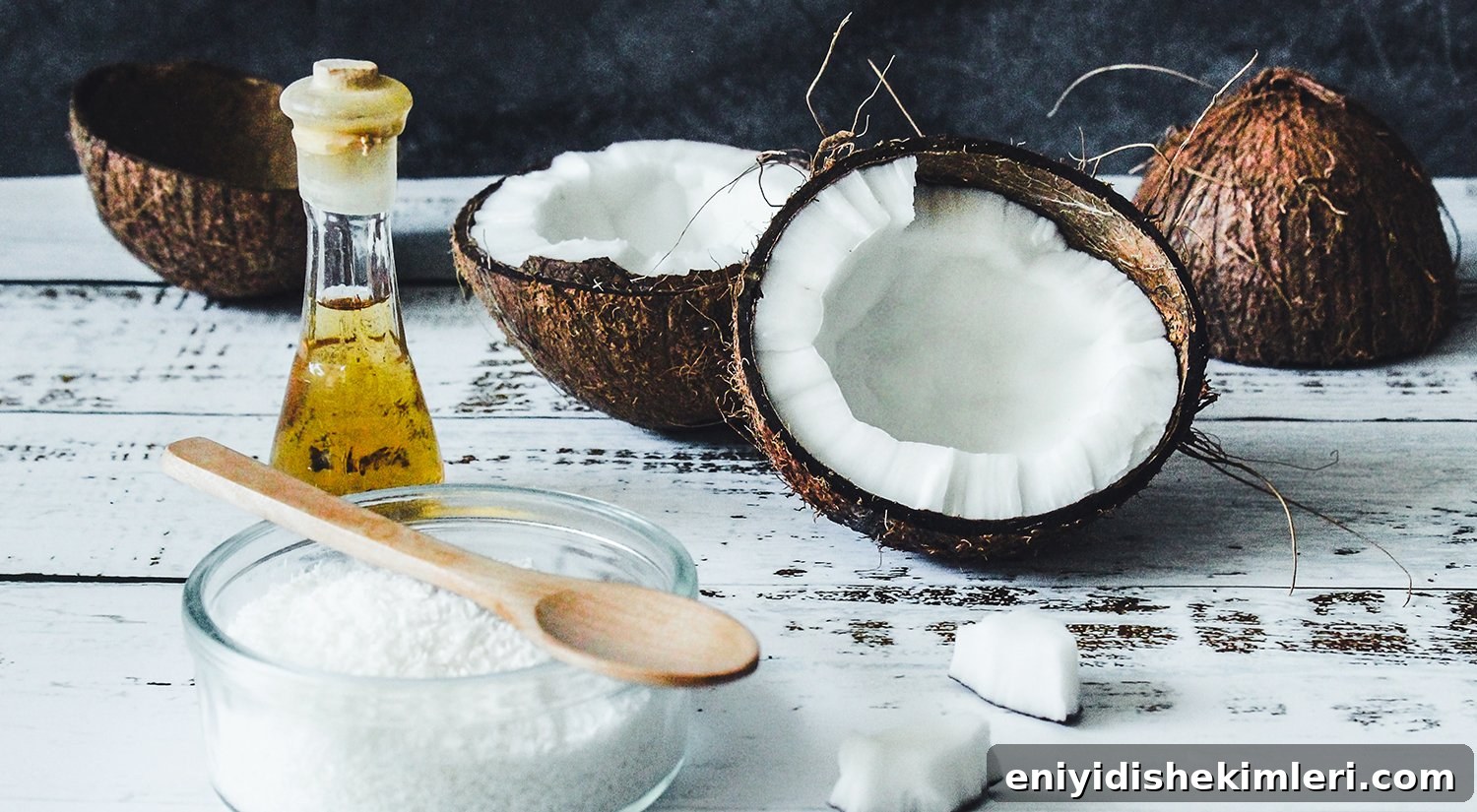
What is oil pulling? Oil pulling is an ancient Ayurvedic habit of swishing edible oil—commonly coconut or sesame—in the mouth for a short period. Originating in India thousands of years ago, it is now practiced worldwide as an adjunct to oral hygiene.
You can use many edible oils for oil pulling, but coconut oil is often preferred for oral health benefits.
Oil pulling is a simple, inexpensive way to support the oral microbiome and improve oral and dental health.
Does oil pulling really work? Evidence shows oil pulling can reduce oral inflammation and improve gum health. However, claims that it “pulls toxins” from the bloodstream or cures systemic disease are unsupported.
Below is a clear look at the science, common myths, and practical instructions for effective oil pulling.
What is oil pulling?
Oil pulling involves swishing oil in the mouth as an alternative or supplement to mouthwash. Studies indicate it can lower levels of pathogenic oral bacteria linked to cavities and gum disease and reduce gum inflammation.
Traditional practice—called “kavala” or “gundusha” in Ayurveda—recommends swishing for 5–20 minutes on an empty stomach. Practically speaking, 1–3 minutes of oil pulling is sufficient to support oral health, making it easy to add to your routine.
Although the practice dates back millennia, oil pulling re-emerged in popularity during the 1990s. Historical Ayurvedic sources attribute many broad healing claims to oil pulling, but those extensive disease-curing assertions are not backed by reliable scientific evidence.
Oil pulling should not be presented as a cure-all; extravagant claims about treating systemic diseases lack substantiation.
So should you try oil pulling? Yes, as a supportive oral hygiene habit. Should you expect it to detox your body or cure disease? No.
How to Oil Pull
To oil pull effectively:
- Floss and brush your teeth before starting.
- Scoop about one tablespoon of oil into your mouth.
- Sit upright and gently swish the oil for 1–3 minutes. Avoid vigorous swishing that causes jaw strain.
- Spit the oil into a trash can—not down the sink or toilet—to prevent clogging as the oil cools and solidifies.
- Rinse your mouth with water and then continue your usual oral care.
Frequency: If you have gingivitis or gum disease, oil pull daily to help control inflammation. If your oral health is good, 1–2 times per week is usually enough.
The Best Oil for Oil Pulling
Coconut oil is widely recommended because of its anti-inflammatory properties and its ability to help balance oral bacteria. Choose cold-pressed, organic oils when possible for the best results.
Common oils used for pulling include:
- Coconut oil
- Sesame oil
- Safflower oil
- Sunflower oil
- Olive oil
Coconut oil contains lauric acid, a medium-chain fatty acid with documented antimicrobial and anti-inflammatory effects that can reduce harmful bacteria and plaque buildup. If you dislike the taste of coconut, sesame or a mild-tasting organic oil is a reasonable alternative.
Some practitioners advise avoiding industrial seed oils like refined safflower or sunflower oil for general health reasons; when in doubt, stick to high-quality, minimally processed oils.
Oral Health Benefits of Coconut Oil Pulling
Systematic reviews and clinical trials suggest oil pulling is low-cost, low-risk, and may offer dental hygiene benefits. It helps support a balanced oral microbiome, which protects against common oral issues.
1. Coconut oil pulling reduces the risk of gingivitis.
Regular oil pulling can reduce plaque that causes gingivitis, easing gum swelling and tenderness. Several clinical trials observed statistically significant reductions in plaque and gingivitis markers after consistent oil pulling for a few weeks.
Some short-term studies even reported results comparable to chlorhexidine mouthwash, though long-term research is limited. Use oil pulling as a supportive measure, not a standalone long-term substitute for professional care.
2. Oil pulling may help prevent and reverse cavities.
By helping restore a healthier balance of oral bacteria, oil pulling can assist tooth remineralization when combined with proper nutrition and overall care. It has been shown to reduce Streptococcus mutans, a key bacterium associated with cavities, with effects similar to certain antiseptic mouthwashes after several weeks of use.
Think of oil pulling as a supportive practice to help maintain a healthier oral environment rather than a rapid cure.
3. Coconut oil pulling may reduce oral thrush symptoms.
Coconut oil has antifungal properties that can help control Candida overgrowth in the mouth, which contributes to oral thrush. Oil pulling can be a low-cost, low-effort adjunct for people prone to candidiasis, though it is not a replacement for medical treatment when needed.
Oral thrush is more common in people with dentures, those undergoing chemotherapy or radiation, inhaler users, people taking microbiome-altering medications, and infants (who cannot oil pull).
4. Oil pulling can improve bad breath.
Clinical trials show oil pulling reduces bacteria responsible for halitosis. Unlike many alcohol-based mouthwashes that can dry the mouth and worsen bad breath, oil pulling supports saliva’s natural balancing effects and helps maintain a healthy oral microbiome.
Coconut Oil Pulling Dangers & Precautions
Oil pulling is generally safe, but be aware of a few risks:
- Inhaling oil accidentally can, in rare cases, lead to lipid pneumonia; children should not practice oil pulling unsupervised.
- If you have a coconut allergy, avoid coconut oil and choose a safe alternative.
- Do not swallow the oil. Swallowing is unlikely to cause systemic “toxicity” but may upset the stomach. Spit and rinse thoroughly.
- Oil pulling is an adjunct, not a replacement, for regular brushing, flossing, and professional dental care.
Because scientific evidence varies in quality and duration, some organizations do not formally recommend oil pulling as a preventive standard. Other dental and integrative groups recognize its potential benefits when used responsibly.
Oil Pulling Myths & Misconceptions
Oil pulling can improve oral health by reducing harmful bacteria while allowing beneficial microbes to persist. It may lower local inflammation and oxidative stress in the mouth, but several popular claims are inaccurate.
Here are common misconceptions and the facts:
- Oil pulling cannot replace brushing and flossing. It can complement your routine, but you must continue regular brushing and flossing.
- Oil pulling doesn’t cure TMJ/TMD. There’s no evidence it relieves jaw joint disorders or related pain.
- Oil pulling does not loosen crowns or fillings. If restorations fail, the issue is typically preexisting decay or bonding failure, not oil pulling.
- Oil pulling doesn’t whiten teeth dramatically. It can improve surface appearance by reducing bacterial stains but does not whiten teeth beyond what rinsing could achieve.
- Oil pulling doesn’t cure systemic disease. Claims that it treats dozens of unrelated conditions lack reliable evidence.
- Oil pulling doesn’t pull toxins from the bloodstream. There is no physiological mechanism or evidence supporting “toxin pulling.”
- Long swish times aren’t necessary. For micro biome benefits, 1–3 minutes is adequate; extended swishing offers no proven extra benefit.
Frequently Asked Questions
Q
Why do you recommend flossing and brushing before oil pulling?
A
Brushing and flossing before oil pulling helps remove surface debris and daily biofilm so the oil can better interact with and rebalance the oral microbiome. Brushing after oil pulling may remove beneficial anti-inflammatory residues from the oil and reduce its supportive effects.
Final Thoughts on Oil Pulling
Oil pulling is an easy, low-cost practice that can support oral health by promoting a balanced oral microbiome and reducing inflammation that contributes to bleeding gums and gum disease. It is not a cure for systemic illnesses, but as part of a complete oral care routine it can be beneficial.
Coconut oil is a common choice due to its anti-inflammatory and antioxidant properties. Try oil pulling for 1–3 minutes a day or several times a week, depending on your needs, and always continue regular brushing, flossing, and professional dental checkups.
References
- Selected peer-reviewed studies and clinical trials have examined oil pulling’s effects on plaque, gingivitis, Streptococcus mutans, oral thrush, and halitosis. Results generally show short-term oral benefits, though long-term evidence is limited. Consult dental professionals for personalized guidance.