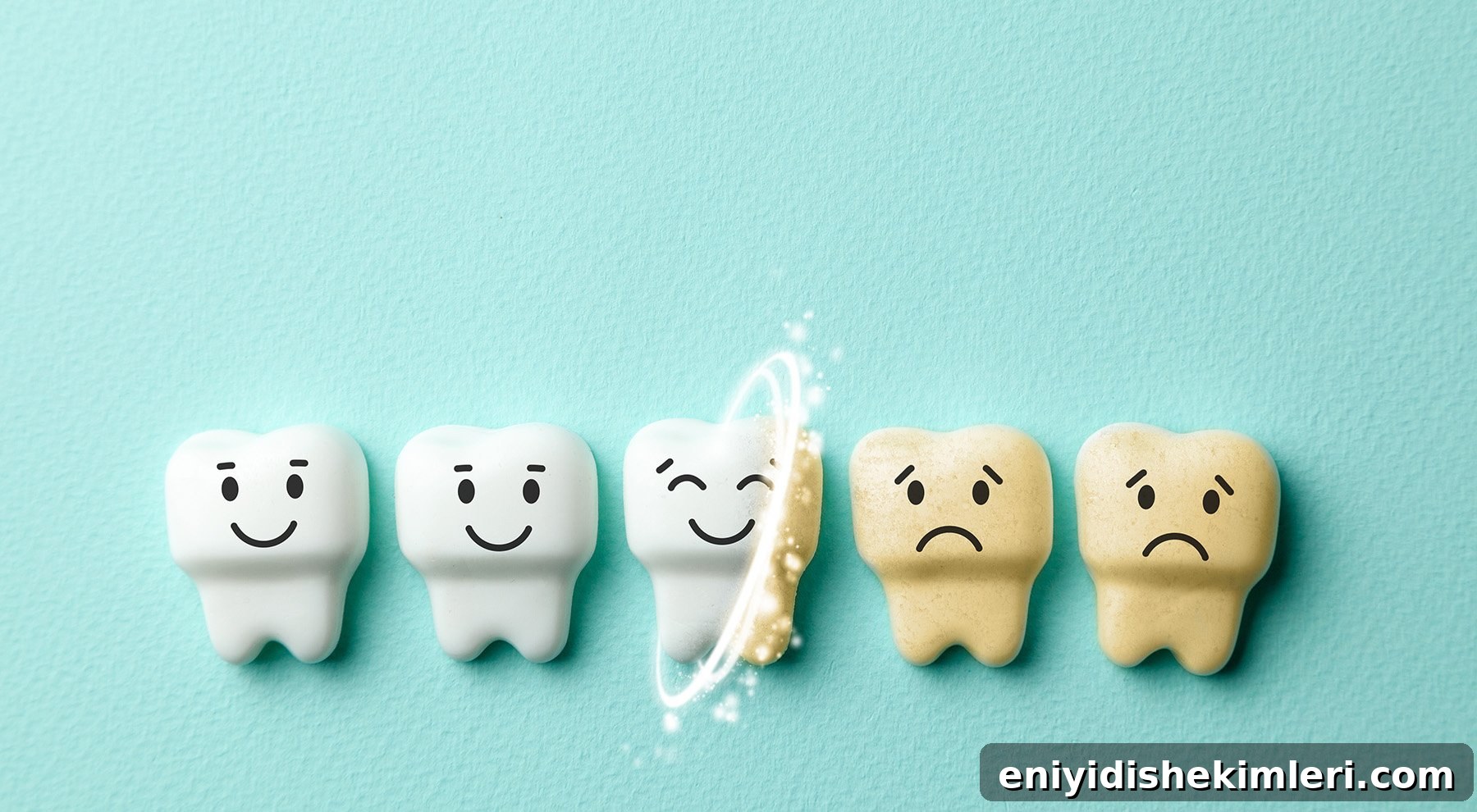
Teeth whitening is a multibillion-dollar industry, yet not every product or method is safe or effective. Drawing on more than three decades of clinical experience and an understanding of stricter EU regulations for over-the-counter whitening products, this article summarizes the most reliable, evidence-based approaches to whitening and protecting your smile.
First, two types of whitening are useful to distinguish:
- Extrinsic whitening removes surface stains using mild abrasives or polishing agents, revealing the tooth’s underlying color without changing the tooth structure.
- Intrinsic whitening involves bleaching agents such as carbamide or hydrogen peroxide to chemically change the color of the enamel from the inside out.
1. Use whitening toothpaste
Whitening toothpastes typically combine mild abrasives, peroxide-based agents, or other active ingredients to remove surface stains. Common components include hydrogen or carbamide peroxide, abrasives like silica or calcium carbonate, and newer ingredients such as nano-hydroxyapatite (HAp).
Clinical reviews show that whitening toothpastes can effectively brighten teeth by removing surface stains. Most peroxide toothpastes only provide extrinsic whitening, but toothpastes containing nano-hydroxyapatite can help restore enamel and produce an intrinsic brightening effect by filling microscopic spaces in the enamel.
Hydroxyapatite toothpaste is a gentle option for daily use because it supports enamel repair without increasing sensitivity. Some brands also offer professional-strength hydroxyapatite varnishes for extended contact and deeper remineralization.
Cost: Inexpensive for daily toothpaste; professional varnishes cost more.
Type: Primarily extrinsic; HAp toothpaste contributes to intrinsic whitening through enamel restoration.
Pros:
- Affordable and easy to use
- HAp toothpaste can improve enamel and deliver lasting brightness
- Typical whitening pastes contain too little peroxide to pose cancer risk
- HAp and fluoride formulations can help prevent and reverse decay
- HAp formulas are often safe for children
Cons:
- Some abrasive toothpastes can increase the risk of wear or cavities if they have a high relative dentin abrasivity (RDA)
- Peroxide toothpastes can cause lesions or damage when overused
- Excessive peroxide may harm collagen content in teeth if misused
Recommendation: Use abrasive whitening toothpaste for short periods (2–3 weeks) to lift stains. Nano-hydroxyapatite toothpastes are appropriate for long-term use because they are non-abrasive and support enamel health.
2. Switch to an electric toothbrush
Electric toothbrushes generally remove surface stains more effectively than manual brushes. Oscillating-rotating designs tend to perform well for plaque and stain removal.
Expensive features like Bluetooth or multiple modes don’t necessarily improve whitening. Affordable electric brushes can provide similar stain-removing benefits to high-end models.
Cost: $8–$300; quality brushes commonly range $25–$80.
Type: Extrinsic whitening
Pros:
- Effective stain removal with few oral-health risks
- May offer better protection against decay than manual brushing
Cons:
- Overbrushing is a risk and can cause gum recession or sensitivity
- More costly than manual brushes
3. Get a professional tooth whitening treatment
In-office whitening involves one to three sessions of 30–60 minutes. Dentists apply a high-concentration bleaching gel (carbamide or hydrogen peroxide) and may use lights to accelerate the process. Carbamide peroxide is commonly used because of its stability.
Professional treatments produce rapid intrinsic whitening under clinical supervision, which reduces the risk of damage when compared with unsupervised home kits.
Cost: $650–$1,250 per session.
Type: Intrinsic whitening
Pros:
- Effective and fast results
- Supervised by a dentist, reducing misuse risks
Cons:
- Results may partially revert over days
- Use of UV or strong light can increase sensitivity and offers limited long-term benefit
- Expensive and requires dental visits
Recommendation: If you choose professional whitening, avoid systems that rely on UV or intense light activation due to increased sensitivity and questionable long-term benefit.
4. Get a custom whitening gel tray
Custom-fitted trays made by a dentist provide a practical, long-lasting way to whiten teeth at home with professional-grade gels. After impressions are taken, you keep the tray and use peroxide gels as needed.
Typical use involves placing a small amount of gel into the tray, fitting it properly to avoid gum contact, and wearing it for one to three hours. Most people see results within two to three weeks; stubborn staining may require longer. Limit full-course whitening to once per year and avoid high-concentration gels above 10% for unsupervised home use to reduce sensitivity risk.
Cost: $250–$500 for the tray; $20–$40 per gel refill.
Type: Intrinsic whitening
Pros:
- Professional results at lower ongoing cost than repeated in-office sessions
- Trays protect gums and reduce soft tissue irritation
- 10% peroxide gels usually minimize sensitivity
Cons:
- Higher concentrations of peroxide increase sensitivity and risk to the pulp
- Requires two initial dental visits
5. Apply whitening strips
Whitening strips are thin adhesive films coated with a peroxide gel. They are convenient and effective for many people, but care is needed to avoid gum irritation and uneven results, especially if teeth are misaligned.
Non-peroxide strips remove surface stains but do not provide intrinsic whitening. Peroxide-based strips should not contact untreated decay, and trimming strips to avoid the gums helps prevent irritation.
Cost: $13–$60 depending on brand and strength.
Type: Intrinsic (peroxide-based) and extrinsic (non-peroxide)
Pros:
- Readily available and simple to use
- Visible results in days or weeks for many users
Cons:
- Can produce uneven whitening on crooked teeth
- May damage soft tissue or increase sensitivity if misused
- Very painful if applied over open cavities
6. Use baking soda toothpaste
Baking soda (sodium bicarbonate) is an effective, low-cost stain remover. Toothpastes with baking soda remove surface discoloration efficiently; higher concentrations typically yield better results. A simple DIY option is to mix a small amount of baking soda with water and brush, but it works best when combined with a toothpaste formulation that includes fluoride and peroxide for enhanced whitening and enamel strength.
Cost: $1–$30.
Type: Extrinsic whitening
Pros:
- Inexpensive and accessible
- Mildly abrasive but effective at plaque and stain removal
- Non-toxic and easy to incorporate into DIY formulas
Cons:
- Less effective alone than when combined with fluoride or peroxide in formulated toothpastes
7. Try oil pulling
Oil pulling—typically with coconut oil—can remove some surface stains and contributes to better oral hygiene by reducing certain bacteria and inflammation. It is not a powerful whitening method compared with abrasive toothpastes or peroxide treatments, but it can be a useful adjunct for stain prevention and oral-microbiome balance.
Cost: $3–$18.
Type: Mild extrinsic whitening and preventative
Pros:
- Supports overall oral health and reduces plaque risk
- Low incidence of side effects when used properly
Cons:
- Not an effective standalone whitening treatment
- Very rare cases link oil pulling to respiratory issues if oil is aspirated
- Dispose used oil properly to avoid plumbing problems
8. Practice good oral hygiene
Consistent oral hygiene slows the natural yellowing process. Avoid overuse of broad-spectrum antibacterial products that can disrupt the oral microbiome. A balanced routine includes brushing twice daily (ideally 45 minutes after acidic or sugary meals), daily flossing, tongue scraping, and optional oil pulling or dental probiotics if you have recurrent oral issues.
Type: Extrinsic whitening and preventative
Pros:
- Healthy teeth maintain color longer and are less prone to staining
- Prevents plaque and gum disease that contribute to discoloration
9. Don’t skip dental checkups
Professional cleanings every six months remove tartar that cannot be handled at home and improve tooth color while preventing cavities, gum disease, and other problems that can harm appearance and health.
Cost: $100–$200 per visit (often covered by insurance).
Type: Extrinsic whitening and preventative
Pros:
- Removes stubborn tartar and plaque
- Allows early detection of oral disease that affects tooth color
10. Prevent teeth stains caused by food
Highly pigmented and acidic foods and beverages―red wine, dark berries, tea, sodas, curry, tomato-based sauces, turmeric, and balsamic vinegar―can stain enamel. Limit intake, rinse with water after consuming them, and brush about 45 minutes later to protect enamel and reduce staining.
Type: Preventative
11. Quit smoking & tobacco use
Tobacco products cause heavy external staining and accelerate enamel aging. Smoking and vaping also contribute to dry mouth and other oral-health problems. Stopping tobacco use is one of the most effective actions to prevent worsening discoloration and enamel damage.
Type: Preventative
12. Get veneers
For permanent discoloration or structural damage that cannot be corrected with whitening, veneers offer an aesthetic solution. Veneers are custom restorations that cover the natural tooth and require irreversible alteration of tooth structure. They provide a long-lasting, dramatic change in appearance but come with significant cost and maintenance considerations.
Cost: High; full sets can be costly on average.
Type: Restorative
Pros:
- Can completely transform the look of stained or damaged teeth
- Provide a permanent cosmetic solution
Cons:
- Expensive and not permanent without eventual replacement
- Requires irreversible changes to natural teeth
Avoid These Teeth Whitening Methods
Some whitening practices are ineffective or harmful. Avoid light-activated whitening devices (UV, LED, laser, halogen), kiosk treatments with untrained operators, hydrogen-peroxide mouthwashes as a whitening strategy, acidic fruit rubs, apple cider vinegar rinses, and abrasive sea-salt scrubs. These methods can cause sensitivity, enamel erosion, soft-tissue damage, or serious complications when misused.
What is the best way to whiten teeth?
For everyday stain control, use a whitening toothpaste and an electric toothbrush. For more dramatic and longer-lasting results, a custom-fitted whitening tray with professional-grade gel is the most effective and sustainable option. Remember that whiter teeth are not inherently healthier teeth; prioritize safe methods that preserve enamel and overall oral health.
References
- Selected peer-reviewed reviews and clinical studies support the efficacy and safety considerations of the methods discussed.