One common stereotype about dentists is that we oppose all sugar and candy. Avoiding sweets helps, but it’s not the whole story. There are many foods that actively support stronger teeth and healthier gums, reduce the risk of tooth decay and gum disease, and help your mouth look and function its best throughout your life.
Surprisingly, one of the best foods for dental health—even sometimes considered “candy”—appears on the list below.
Read on for eight foods and beverages that benefit oral health. At the end you’ll also find practical tips for using these foods to protect your teeth every day.
Bon appetit!
I’ve helped hundreds of my patients stop the cycle of cavities. Now I’m bringing that solution to my readers. Click here to find out how to say “goodbye” to cavities forever…for less than the cost of one filling.
1. Chocolate
Dark chocolate—especially varieties with about 70% cacao and minimal added sugar—contains compounds shown to strengthen tooth enamel in research models. One such compound helps enamel resist acid attacks, which means dark chocolate may lower the risk of cavities when consumed in moderation and without sugary coatings or fillings.
Some dental offices even offer a small square of dark chocolate along with floss and a travel-size toothpaste after appointments. As research advances, ingredients derived from cocoa may appear in oral-care products.
2. Cheese
Cheese helps neutralize acids left behind after eating, protecting enamel from erosion. It also stimulates saliva production, which buffers acid and helps clean the mouth. Enjoying a piece of cheese after a meal can be a helpful habit.
If digestive comfort is a concern, sheep’s and goat’s cheeses are often easier to digest than many cow’s-milk cheeses. Avoid pairing cheese with highly processed, sugary crackers; instead choose whole-food or flourless options to minimize cavity risk.
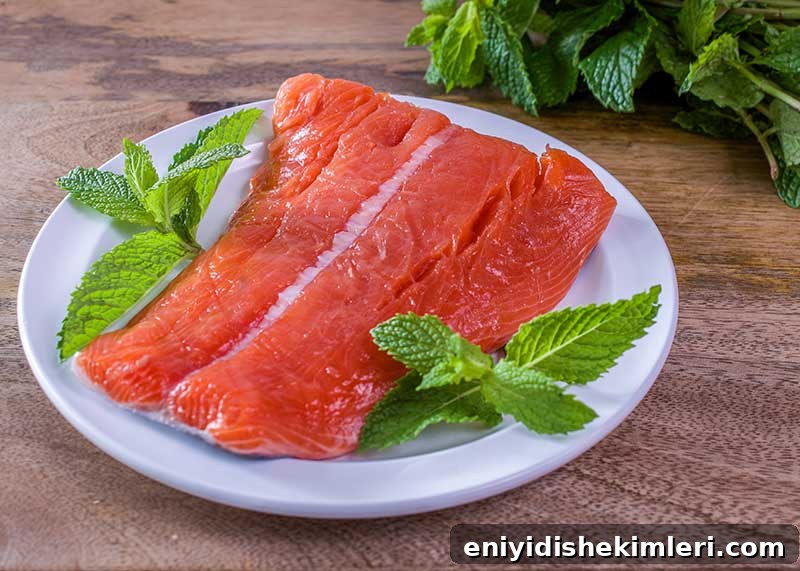
3. Wild Salmon
Calcium is essential for strong teeth and bones, but the body needs adequate vitamin D to absorb calcium effectively. Fatty fish such as wild salmon are excellent natural sources of vitamin D and beneficial omega-3 fats. If dietary sources are limited, vitamin D supplementation—used appropriately—can help maintain healthy calcium metabolism for teeth and gums.
4. Oranges
Although citrus is acidic, the vitamin C in oranges and other citrus fruits supports healthy gums by strengthening blood vessels and connective tissue and by reducing inflammation. Vitamin C deficiencies can worsen gum disease, so including citrus in a balanced diet can be protective.
Because acid temporarily softens enamel, avoid brushing immediately after eating citrus. Rinse with water or a neutral beverage first and wait at least 30 minutes before brushing to prevent enamel abrasion.
5. Water
Saliva is roughly 99.5% water and plays a critical role in digestion, acid neutralization, remineralization of enamel, and controlling oral bacteria that cause bad breath and decay. Dehydration reduces saliva flow and increases risk for cavities and oral discomfort.
Maintain good hydration by drinking water throughout the day—an easy guideline is roughly half your body weight in ounces, though individual needs vary. Rinsing the mouth with water after eating or drinking staining substances like coffee can also reduce surface staining and remove food debris until you can brush.
6. Fruits and Vegetables
Crunchy, high-fiber fruits and vegetables help mechanically scrub teeth while increasing saliva production due to extended chewing. This natural cleansing action reduces plaque buildup temporarily and stimulates saliva that neutralizes harmful acids.
Many juicy produce items also have high water content that dilutes naturally occurring sugars and acids, making them a smart snack choice. A crisp apple, for example, is a tooth-friendly option that dentists and hygienists often recommend.
7. Xylitol
Xylitol is a sugar alcohol commonly used as a sweetener in sugar-free gums and mints. It inhibits the growth of cavity-causing bacteria and helps create a healthier oral microbial balance. Chewing xylitol gum after meals increases saliva flow and delivers both mechanical and antimicrobial benefits, reducing the risk of decay and freshening breath.
8. Green and Black Tea
Green and black teas contain polyphenols that can suppress or kill certain bacteria responsible for plaque and acid production. Drinking tea during or after a meal may reduce the activity of acid-producing bacteria and thus help protect enamel. Tea also contains trace amounts of fluoride, though not typically enough to replace other sources of fluoride in dental care.
Practical tips:
- Choose dark chocolate with minimal added sugar and enjoy it in small amounts.
- Finish meals with cheese or a high-protein snack to neutralize acid.
- Include fatty fish or vitamin-D–rich foods in your diet to support calcium absorption.
- Rinse with water after acidic foods and wait at least 30 minutes before brushing.
- Stay well hydrated to maintain saliva flow; sip water throughout the day.
- Snack on crunchy fruits and vegetables when you can’t brush immediately.
- Consider sugar-free gum with xylitol after meals to boost saliva and reduce bacteria.
- Drink green or black tea with meals for added antibacterial polyphenols.
I’ve helped hundreds of my patients stop the cycle of cavities. Now, I’m bringing that solution to my readers. Click here to find out how to say “goodbye” to cavities forever…for less than the cost of one filling.