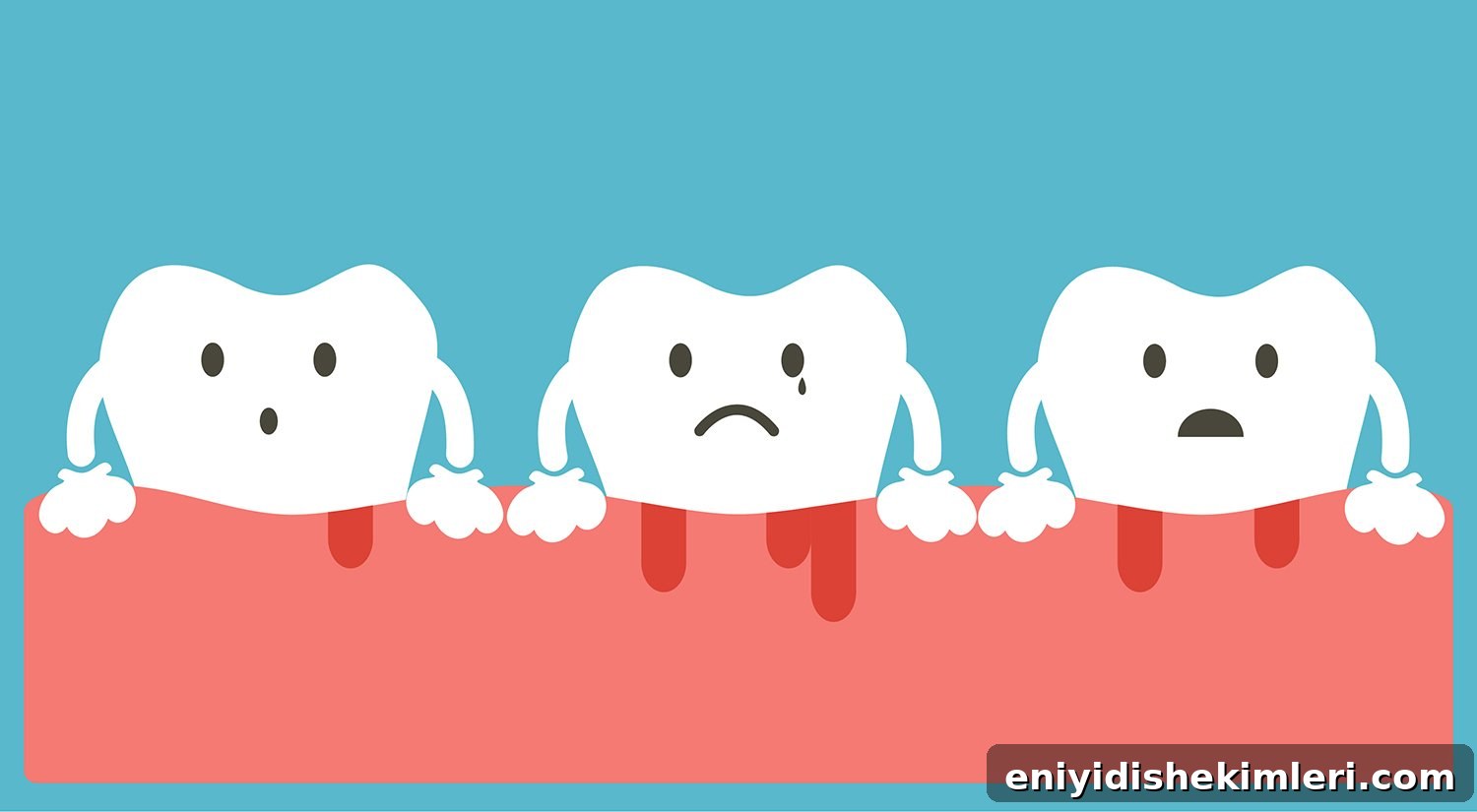
From simple bleeding gums to painful gum recession, gum disease is a dental problem that should be addressed promptly.
Below we explain the stages of gum disease, the symptoms to watch for, how your dentist diagnoses it, and practical steps you can take at home to protect your oral health. If home care isn’t enough, a dental professional can create a treatment plan tailored to any stage of periodontitis.
Gum Disease Signs and Symptoms
Common signs that your gums may be unhealthy include:
- Red, swollen gums
- Receding gums
- Bleeding when brushing or flossing
- Visible pus
- Teeth that feel loose or movable
- A change in your bite
- Heightened sensitivity to hot or cold
- Pain when chewing
- A persistent bad taste in the mouth
- Chronic bad breath
Important: you can have gum disease even without obvious symptoms, so routine dental check-ups are essential for early detection.
How Your Dentist Will Diagnose Gum Disease
During a dental appointment your dentist or hygienist evaluates your overall oral health and screens for periodontal disease. Key parts of the exam include:
1. Medical History
Your dentist will review your medical history and medications because systemic conditions and certain drugs can affect oral health. For example, medications that cause dry mouth (xerostomia) reduce saliva flow. Saliva helps clear food and plaque; when it’s reduced, plaque accumulation increases and can lead to tartar (calculus), which requires professional removal.
2. Pocket Depth Measurement
Perio probing measures the space between the tooth and gum (the gingival sulcus) with a periodontal probe. Healthy pocket depths are 1–3 mm. Depths greater than this indicate inflammation and deeper pockets. Bleeding on probing is a sign of gum inflammation and is not normal in a healthy mouth.
Regular check-ups help catch these changes early so they can be treated promptly.
3. Dental X-Rays
Dental radiographs, often bitewings, show tooth roots and surrounding bone. They help your dentist assess bone height and detect bone loss caused by bacteria in deep periodontal pockets. X-ray frequency is based on your individual risk profile and can range from every six months to every few years.
The Stages of Gum Disease
Gum disease progresses through stages, each with increasing severity:
Stage I: Gingivitis
Gingivitis is gum inflammation caused by plaque buildup along the gingival sulcus. Probing depths are typically about 2–4 mm at this stage. Symptoms can include red, swollen gums, bleeding during flossing or brushing, and bad breath. Gingivitis does not involve bone or connective tissue loss and is fully reversible with improved oral hygiene and professional cleaning.
Stage II–III: Slight to Moderate Periodontal Disease
At these stages the infection has moved deeper into the gums. Probing depths are generally 4–5 mm for slight disease and 6–7 mm for moderate disease. Symptoms worsen—more redness, increased bleeding, and persistent bad breath. Bone loss begins (about 20–50%) and bacteria may enter the bloodstream, increasing systemic inflammation. Reversal at this point typically requires professional treatment.
Stage IV: Advanced Periodontal Disease
Advanced disease features pocket depths greater than 7 mm, exposed roots, increased tooth mobility, pus-filled abscesses, and severe bone loss (50–90%). Chewing and bite alignment are affected. This stage is not reversible, but it is manageable with appropriate dental treatment.
Types of Gum Disease
Gum disease can present in different forms that affect its progression and treatment:
- Chronic: The most common type, developing gradually but sometimes worsening quickly.
- Aggressive: Often has a genetic link, can progress rapidly even in otherwise healthy people.
- Related to systemic disease: Periodontitis that appears as a manifestation of systemic conditions such as diabetes or respiratory disease, often seen in younger patients.
- Necrotizing: Severe lesions cause tissue death of gum tissue, periodontal ligament, and alveolar bone, more common in immunocompromised individuals.
Options for Gum Disease Treatment at Each Stage
Treatment depends on the stage:
1. Treatment for Gingivitis
Gingivitis can be reversed with professional cleaning (dental prophylaxis) and consistent at-home care: brushing twice daily for two minutes, flossing daily, and attending regular dental check-ups. Professional cleaning removes plaque and calculus above and below the gum line; ongoing home care prevents recurrence.
2. Treatment for Slight to Moderate Periodontal Disease
Scaling and root planing (SRP) is a common non-surgical treatment that removes toxins from periodontal pockets and smooths root surfaces so gums can reattach. SRP may be performed in a single visit or over multiple appointments and may involve local anesthetic. With consistent oral hygiene afterward, gums often heal and return to a healthier appearance.
Supportive home measures include dietary changes, careful flossing techniques, and addressing nighttime mouth breathing to reduce dry mouth.
3. Treatment for Advanced Periodontal Disease
Advanced disease may require surgical and regenerative procedures in addition to SRP and home care:
Flap Surgery
The dentist lifts the gum tissue to access and clean diseased areas, then repositions and seals the tissue to reduce pocket depth and encourage healing.
Bone Graft
Bone grafting uses natural or synthetic materials and growth factors to rebuild bone lost to periodontal disease. Soft tissue grafts can protect exposed roots. Healing can take several months.
Pinhole Surgery
A newer technique that aims to reposition gum tissue and cover exposed roots. Early results are promising but long-term data are still limited.
Causes and Risk Factors of Gum Disease
Several factors increase the risk of gum disease:
Smoking & Tobacco Use
Smoking increases gum recession and bone loss and reduces the effectiveness of periodontal treatment. Smokers have a significantly higher risk of developing periodontal disease.
Genetics
Genetics contribute to individual susceptibility; studies suggest host factors play a substantial role in risk.
Stress
Chronic stress weakens immune response, increases inflammatory markers, and often reduces attention to oral hygiene, all of which raise periodontal risk.
Medication
Some drugs—antihistamines, antihypertensives, anticonvulsants, sedatives—can reduce salivary flow and increase plaque retention. Discuss alternatives with your physician if dry mouth is an issue.
Orthodontic Treatment
Braces, partial dentures, or other appliances can complicate plaque removal and require extra care.
Diet
A diet low in vitamin C and calcium and high in refined carbohydrates and sugary drinks raises the risk of periodontal disease. Balanced, nutrient-rich foods support oral and overall health.
Age
The risk of periodontal disease increases with age due to factors such as reduced manual dexterity, longer tooth retention, and the cumulative effects of systemic conditions.
Periodontitis and Other Diseases
Gum disease is linked with several systemic conditions. While causation is not always established, associations exist and are important to consider:
Diabetes
Poor glycemic control is associated with higher rates of periodontal disease. Patients with well-controlled diabetes respond better to periodontal treatment.
Heart Disease
Periodontitis and cardiovascular disease share elevated inflammatory markers such as C-reactive protein (CRP) and interleukin-6 (IL-6). Bacteria from the mouth can enter the bloodstream when gum health is compromised, contributing to systemic infection risk like infective endocarditis.
Alzheimer’s Disease
Research suggests two possible links: systemic inflammation from periodontal bacteria and direct bacterial invasion of the brain, both of which may contribute to cognitive decline. Further research is ongoing.
Hematologic Disorders (Leukemia)
Gingival overgrowth can be an early sign of leukemia, and cancer treatments can adversely affect gingival health.
Pneumonia
Oral bacteria can contribute to respiratory infections, particularly in hospitalized or immobile patients with limited oral care.
How to Prevent Gum Disease
Practical prevention tips:
- Brush twice a day for two minutes, using a timer if helpful.
- Floss at least once daily to remove plaque between teeth.
- Avoid all tobacco products.
- Eat a balanced diet rich in fruits, vegetables, calcium, and vitamin C.
- Ask your physician whether your medications cause dry mouth and discuss alternatives if necessary.
- Address mouth breathing at night if present to reduce dry mouth.
- Limit or avoid alcohol-based mouthwashes that can dry the mouth; focus on supporting a healthy oral microbiome.
- Consider natural adjuncts—such as probiotics or dietary spices—only as complements to, not replacements for, good oral hygiene.
- Keep regular dental check-ups and professional cleanings; early detection and prevention are far easier than treating advanced disease.
Common Questions About Gum Disease
Q
What’s the difference between gingivitis and gum disease?
A
Gingivitis is the early, reversible stage of gum disease without bone or connective tissue loss. If left untreated, bacteria can progress below the gum line, destroy supporting tissues, deepen periodontal pockets, and cause tooth mobility, which characterizes later stages of periodontitis.
Q
How common is gum disease?
A
Gum disease is very common. In the United States, nearly half of adults have mild to severe periodontal disease, and prevalence increases with age. Globally, hundreds of millions are affected, making it a significant public health concern.
Q
Can you die from gum disease?
A
You cannot die directly from gum disease itself, but periodontal infection increases systemic inflammation and is associated with conditions such as heart disease, diabetes complications, and other health issues that can affect overall mortality risk.
Q
Can I get rid of gum disease without a dentist?
A
Only gingivitis (Stage I) can typically be reversed with thorough home care: diligent brushing, flossing, and professional cleaning. Once bone loss, deep pockets, or significant recession occur, professional dental treatment is necessary.
Q
Does gum disease go away when teeth are removed?
A
Tooth extraction can remove a source of infection and may be necessary in advanced cases, but extraction alone does not cure underlying periodontal disease in remaining teeth. Dentists aim to preserve teeth when possible and use extraction only when required to prevent further damage.
Q
How can I fix loose teeth from gum disease?
A
If a tooth is loose but still in the socket, keep the area clean and see your dentist promptly. Treatments can include splinting adjacent teeth for stability, deep cleanings, scaling and root planing, or regenerative procedures depending on the cause and severity.
Key Takeaways: Gum Disease
Prevention and early treatment are crucial. Simple, consistent daily habits—brushing, flossing, a healthy diet, quitting tobacco, and routine dental visits—can prevent gingivitis from progressing. Once advanced disease develops, professional treatments are required to manage it and protect both oral and systemic health.
Address early warning signs promptly and keep up with regular dental care to preserve your teeth and overall well-being.