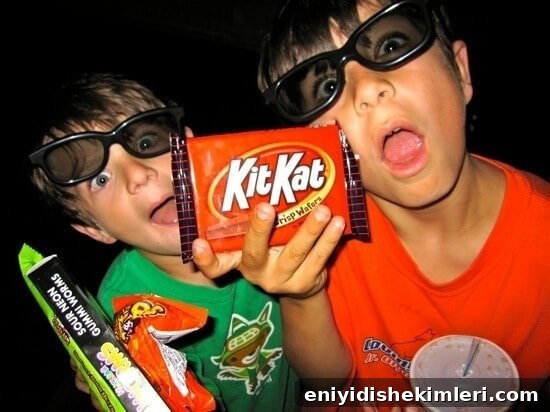
After Halloween I see a noticeable increase in dental patients, but not primarily because of cavities. Cavities don’t appear overnight. What I’m seeing are adults with cracked molars from biting down on hard candy — parents who claim they are protecting their kids by taking the candy away, only to damage their own teeth in the process.
The issue with Halloween isn’t just the expensive restorative work — sometimes costing thousands per tooth — it’s the way the tradition reinforces an unhealthy relationship with food. Years of bingeing and unrestricted indulgence teach children that candy is a prize to be accumulated and consumed, and that message follows them into adulthood and into the dental office.
Most of us remember the excitement of learning that neighbors would hand out free candy if you wore a silly costume and knocked on doors. We all joined in, collected piles of sweets and then heard “don’t take candy from strangers” the rest of the year. That contradiction sends mixed messages to kids and normalizes unhealthy habits in the name of tradition.
Americans spend between $2 and $4 billion annually on Halloween candy. When you add in the broader commercial holiday spending — Halloween is the second-largest commercial holiday in the U.S., surpassing Valentine’s Day with about $6.9 billion in total sales — it’s worth asking how much of that cost filters into dental care and contributes to childhood obesity. The scale of spending helps explain why the holiday can be so damaging to health.
Parents, here’s a practical alternative I use: I don’t buy back candy from patients like some dentists do. That practice can unintentionally give candy added value and confuse children, suggesting the sweets are worth keeping or eating. If a dentist is buying that candy, a child might think it’s okay to hold onto it and consume it later.
Instead, we adopted the “Great Pumpkin” idea in our family. It works best for younger children, but it’s been effective for my three daughters. They enjoy some candy on Halloween night, and the remainder goes into a bag placed on the porch for the Great Pumpkin. In our version, the Great Pumpkin returns gifts that are healthier and more meaningful — books, educational software, sports equipment — treats that promote real enjoyment and long-term benefit instead of empty calories.
The Peanuts story of Linus and Sally waiting in the pumpkin patch is a helpful image: while the other kids focused on collecting candy, Linus held onto a belief in something different. Even if the Great Pumpkin never shows up, the ritual teaches moderation and a different value system than mindless candy accumulation. Importantly, it also reduces the exposure of children to constant sugary snacking.
If children do eat candy, do it under controlled conditions. Offer water to help neutralize the acids that form in the mouth shortly after eating sugar, and have a toothbrush handy so kids can brush within about 20 minutes of finishing their sweets. These small habits significantly reduce the risk of decay.
Moderation is essential. Halloween can be fun without creating lifelong unhealthy habits or an obsessive relationship with sweets. Replace some or all of the candy with alternatives — a book, a CD, athletic gear, a new bike or skateboard — and emphasize oral hygiene afterward: brush, floss, and drink plenty of water. For the adults who still manage to break a tooth on a Werther’s Original, I’ll be ready to treat you in the dental chair.
If Halloween is all about the treat for you, then maybe the real trick is how it affects your health. Make choices that protect both your children’s teeth and their overall well-being.
Mark Burhenne DDS