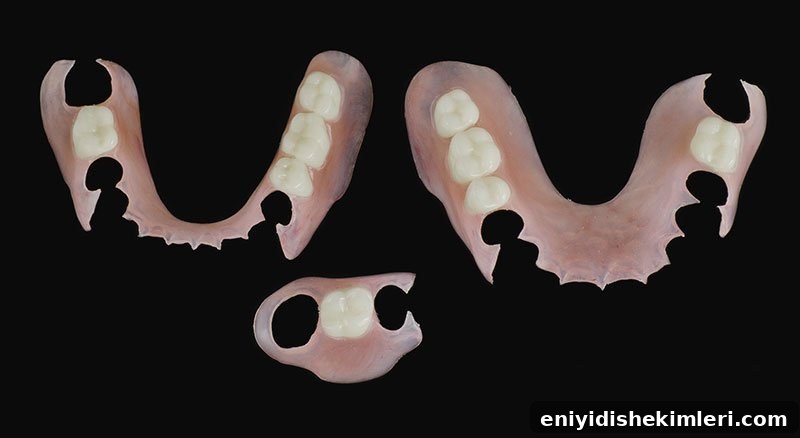
Q
I recently had my upper dentures replaced by a beautiful Valplast partial, however, my entire upper mouth is very sore. It feels as if the partial is squeezing my mouth in a vise. How come? My dentist smoothed one spot but the soreness is overall and even with my old partial inserted the soreness remains. What can I do to ease the pain until my dentist can see me again? Thank you for any advice you can provide. – Mary B.
A
Mary, there are two common reasons you may be experiencing widespread soreness after receiving a Valplast partial. Below I explain how Valplast behaves and what to look for so you and your dentist can pinpoint the cause and relieve the discomfort.
Valplast is a flexible, nylon-based partial denture material valued for being lightweight, comfortable, and more aesthetic than traditional metal partials because it often eliminates visible clasps. It is durable and somewhat elastic, which makes it forgiving in many situations. That same flexibility, however, can produce different types of pressure and tooth movement if the fit is not ideal.
Possibility #1: Soreness from Improper Sizing or Fit
Because Valplast is elastic, a partial that is slightly too large or slightly too small can still seat in the mouth but exert continuous force on teeth and surrounding tissues. This creates a gentle, orthodontic-like pressure that causes tenderness when you bite or press down—similar to the feeling after an adjustment from braces.
Inaccurate impressions or mistakes during laboratory model fabrication can lead to a base that does not match your mouth precisely. If the model the Valplast was made from is off even by a small amount, the finished partial can exert uneven forces. That pressure will be felt on the teeth and may continue even when you switch back to your old partial if tooth alignment has changed.
Possibility #2: Gum Soreness from Pressure Points
The second common cause is localized pressure points on the gums. Valplast is designed to flex over the teeth and then grip and seat snugly against the tissue. If the partial doesn’t settle correctly or has areas that press too hard, the gums will respond with soreness and tenderness.
Because Valplast clasps and the base engage the oral tissues differently than metal frameworks, some people need time to adapt to the grip. If the partial is creating pressure spots, your mouth can feel sore across larger areas rather than only at a single adjusted spot. Your dentist smoothing one spot may help temporarily, but broader adjustment or remaking the base might be necessary.
If your old partial certainly does not feel like it used to fit, that may indicate tooth movement caused by the new partial. Tell your dentist about any changes in how the old partial fits; that information helps determine whether teeth were shifted or whether the issue is primarily soft-tissue pressure.
Talk with your dentist about these two possibilities. Describe whether the discomfort is felt when biting or is more constant, whether it improves or worsens with the old partial, and whether you notice specific pressure points. Clear details will help your dentist decide whether a simple adjustment or a remake is needed.
Daily care and short-term relief: keep the Valplast clean and follow soaking recommendations. It’s best to soak the partial in distilled water overnight rather than tap water; tap water can contain chlorine and minerals that may affect the material over time.
Immediate steps to ease pain until your appointment:
- Take regular breaks from wearing the partial — remove it periodically during the day to relieve continuous pressure.
- Rinse your mouth with warm saline (salt) water several times a day to reduce inflammation and soothe gums.
- Use an over-the-counter analgesic you routinely take for minor pain (follow the dosing instructions and any medical guidance you have).
- Avoid very hard or sticky foods that increase chewing pressure until the soreness subsides or your dentist evaluates the fit.
These measures often reduce discomfort and allow your mouth time to adapt while you arrange a follow-up with your dentist. If you notice swelling, increasing pain, pus, fever, or other signs of infection, contact your dentist promptly or seek urgent care.
I hope this helps you and gives you useful points to discuss with your dentist so the issue can be resolved quickly and comfortably.
Mark Burhenne DDS