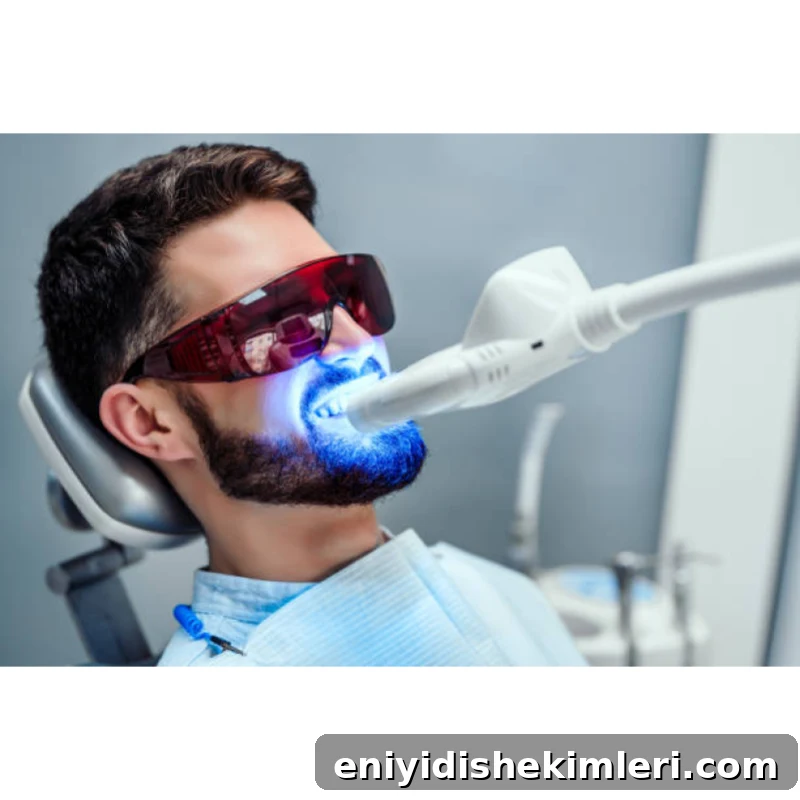
Whitening your teeth seems simple: buy strips, apply gel, or use a trendy LED kit and expect brighter teeth. But many people approach whitening the wrong way and damage their enamel without realizing it. I learned this the hard way years ago—not on myself, but on my eldest daughter.
The Whitening Mistake I’ll Never Forget
When my daughter was about 11, her adult teeth had just come in and looked darker than her baby teeth. That’s normal: baby teeth are often whiter because they have less dentin under the enamel. What I didn’t know then was that a child’s pulp is larger and more vulnerable, and oxidizing agents in whitening gel can reach it quickly. I used whitening trays with peroxide gel for two hours at a time, thinking it was harmless.
Months later she developed sharp sensitivity to cold. Here’s why: whitening gel penetrates enamel and reaches the dentin, which is porous and connected to the pulp where nerves and blood vessels live. Overuse of whitening products can inflame the pulp, causing intense, deep sensitivity.
Strengthen First—then Whiten
Most people—and even many providers—get this wrong. You wouldn’t bleach thinning, damaged hair without strengthening it first. Whitening is controlled oxidative damage; if enamel is already weak, whitening will worsen the problem instead of improving appearance.
I don’t recommend whitening unless you’re also rebuilding and strengthening enamel concurrently. Below are the steps I follow and recommend to patients before any whitening begins.
✅ Get the right minerals.
Strong enamel isn’t produced by toothpaste alone. The body needs magnesium, vitamin K2, calcium, phosphorus, and vitamin D to rebuild enamel from the inside out. Many people are deficient—especially in magnesium. Without adequate magnesium, the body can’t use calcium and phosphate effectively, and enamel rebuilding is impaired.
✅ Use hydroxyapatite toothpaste.
Fluoride hardens enamel but can leave a rough surface that picks up stains. Nano-hydroxyapatite rebuilds enamel in a smoother, light-reflecting way, helping teeth look naturally whiter while actually strengthening them.
✅ Avoid coffee, wine, and acidic foods for at least 24 hours after whitening. If you do consume them, use a straw and rinse immediately. Right after whitening your enamel is more porous and vulnerable to staining and acid damage.
My Must-Haves for Whitening the Right Way
I still whiten my teeth, but only in ways that protect them. If you go too hard or skip enamel-fortifying steps, you risk sensitivity, softer enamel, and faster re-staining.
1. First, ask yourself: Do you even need whitening?
Many people confuse whitening with stain removal. Consider these questions:
- When was your last professional cleaning? Plaque and tartar can make teeth appear yellow even when they aren’t.
- Do you drink coffee, tea, or red wine? These cause external stains that may only require polishing, not whitening.
- Is your enamel naturally more yellow? Some people have thicker dentin or more translucent enamel; whitening has limits.
If you still want to whiten, follow Step 2.
2. Safe, effective whitening essentials
Custom whitening trays with 10% carbamide peroxide gel are the gold standard. Custom trays ensure even application, reduce gum irritation, and allow gradual whitening without extreme sensitivity.
What to avoid:
- Crest Whitestrips — Even “professional” strips use adhesives and chemicals that can disturb the oral microbiome, and they can’t match the fit and effectiveness of custom trays.
- LED whitening kits — There’s no strong peer-reviewed evidence that blue light meaningfully improves whitening results.
- “Natural” products without peroxide — If a product lacks peroxide, it isn’t truly whitening; most only remove surface stains.
- Whitening toothpastes — Many are abrasive, strip enamel, and can paradoxically cause more yellowing over time.
- Excessive peroxide — Higher concentrations aren’t necessarily better; overuse weakens enamel and can cause long-term pulp damage.
- DIY acid-based methods (lemons, strawberries) — These social-media trends expose enamel to acids that erode and damage tooth structure.
Whitening Is Fine—If You Do It Right
Whitening isn’t inherently bad—I do it myself—but it should never be done without assessing and supporting enamel health first. Strengthen enamel, proceed gradually, and protect the pulp. Do that, and you’ll get lasting results without the sensitivity or damage that comes from rushing the process.
Next week I’ll cover stain removal in detail—many people don’t actually need whitening. Reply with your questions on this topic; I read every message. Until then, take care of your teeth and have a great weekend.
– Mark
Know someone who would appreciate this?
Forward it to them and tell them to sign up for future emails here.

P.S. What whitening method have you tried, and how did it go? Reply and let me know—I read every message.