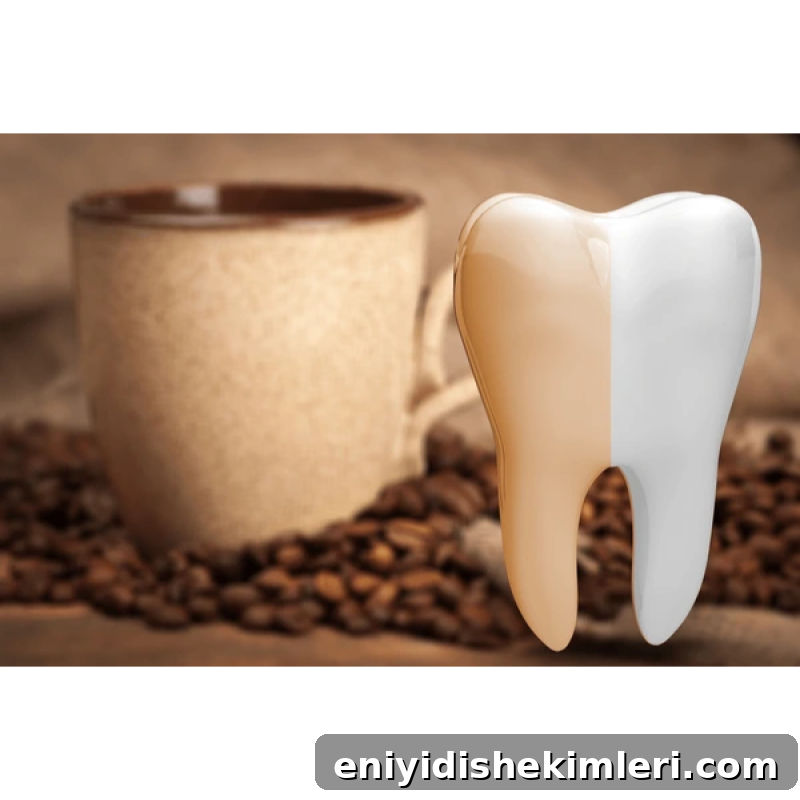
For years in my practice I watched patients stress over visible stains before job interviews, weddings, and other important events.
I even offered complimentary stain removal for brides and grooms who wanted a flawless smile on their big day.
Back then I didn’t drink coffee, so while I understood the frustration I hadn’t experienced it firsthand—until recently.
In my sixties I finally became a coffee drinker. Everyone who told me I’d love it was right.
Of course, it happened the night before a big podcast interview: I noticed the same unsightly brown shadows on my teeth that used to bother my patients.
That prompted me to research at-home stain removal tools. My standard advice has always been to see your hygienist for a professional polish,
but stopping by for a quick polish isn’t always convenient, and I enjoy safe, effective DIY options.
This is the tool I found and still use for quick at-home polishes between professional cleanings.
Before you buy it, here’s how to use it safely and effectively:
- Use once or twice between cleanings—do not use daily.
- Pair it with a nano-hydroxyapatite toothpaste or, even better, a hydroxyapatite varnish. Applying a varnish right after a polish maximizes benefits.
- Always scrape your tongue first. Pigments cling to the tongue’s biofilm and can redeposit on teeth.
- Never use DIY hacks like charcoal or lemon—both can permanently damage enamel. Don’t polish if your mouth is acidic; wait at least an hour after meals or acidic drinks and drink electrolytes beforehand.
- Watch this video I made demonstrating proper use of the tool. Ask if you’d like a follow-up video or have questions.
Why electrolytes matter: stains are more than surface pigments. Coffee suppresses saliva, and each sip is acidic, demineralizing teeth for up to an hour. Coffee is mildly dehydrating, so saliva production slows down.
Less saliva means less buffering, fewer minerals available to protect enamel, and slower clearance of pigments.
Research supports this: saliva is your first defense against acid and stains. Studies show saliva flow and buffering capacity are directly linked to electrolyte levels.
Skipping electrolytes leaves enamel more vulnerable.
Electrolytes aren’t the same as sugary sports drinks; they provide the raw materials your salivary glands need to help keep enamel strong, breath fresh, and stains from taking hold.
These are the ones I’ve been using lately—pleasant taste, clean ingredients, and a less acidic pH than many alternatives I’ve tested.
Have electrolytes helped you? I’d love to hear what you’ve noticed. What topic should I cover in the next newsletter?
—Mark

P.S. Know someone who would enjoy this newsletter? Forward it to them. They can sign up for future emails if they subscribe here.