
Headlines across major health sites emphasize the importance of gut health. The gut plays a central role in overall health, and its condition depends largely on the diversity and balance of the gut microbiome. Since the mouth reflects overall health—the US Surgeon General called it “the mirror of health and disease in the body”—it follows that oral health and gut health are closely linked.
This connection begins with the oral microbiome.
What is the oral microbiome?
The oral microbiome, like the gut, skin, and vaginal microbiomes, is a complex collection of bacteria that influence health and disease. The mouth contains multiple microenvironments—tongue, hard palate, tooth surfaces, the area above and below the gums—each hosting distinct bacterial communities.
As the first point of contact between the outside world, the digestive tract, and the immune system, the mouth contains several hundred species of microbes; more than 700 have been identified. The oral microbiome is the body’s second most diverse biome after the gut. Maintaining a balanced bacterial community in the oral cavity is essential: imbalance can trigger inflammation, infection, and disease.
Many problems manifest locally—cavities, gingivitis, oral thrush—but oral dysbiosis also impacts gut and systemic health. Research shows oral bacteria can migrate to the gut, alter immune responses, and contribute to systemic disease. For example, P. gingivalis is commonly found in both dysbiotic oral cavities in chronic periodontitis and in altered gut microbiomes, suggesting shared roles in disease processes.
Despite this, many dental approaches focus on simply disinfecting and “cleaning” the mouth, often overlooking the importance of supporting a healthy oral flora.
How oral biome diversity affects gut and overall health
While dental training emphasizes how oral bacteria cause local disease—gingivitis, cavities, oral thrush—the broader impact of oral dysbiosis on whole-body health is increasingly recognized. The oral equivalent of “leaky gut” has been described as increased gingival epithelium permeability or “leaky mouth,” allowing microbes to pass beyond the gums and potentially enter the bloodstream or digestive tract. This permeability has been studied in relation to diabetes and chronic periodontitis.
Research estimates a substantial overlap between oral and gut microbes; one expert notes that roughly 45% of oral bacteria can be found in the gut. Every swallow seeds the gastrointestinal tract with billions of oral microbes daily, so oral health directly influences gut microbial ecology. Oral infection can lead to bacteremia, systemic inflammation, and the spread of bacterial toxins—mechanisms that help explain oral contributions to broader disease.
Two oral bacterial groups commonly implicated in systemic effects are Prevotella and Veillonella. Below are key systems and functions affected by the oral microbiome.
1. Gastrointestinal tract
Gut dysbiosis can begin or be influenced by microbes arriving from the mouth.
Inflammatory bowel disease
Inflammatory bowel diseases—IBS, Crohn’s disease, and ulcerative colitis—share chronic inflammation as a hallmark. Patients with IBD often show oral and dental symptoms such as dry mouth, mouth ulcers, and rare inflammatory conditions of the mouth. Studies have found higher levels of certain pathogenic oral species in IBD patients (Streptococcus, Prevotella, Neisseria, Haemophilus, Veillonella, Gemella) and link oral dysbiosis to inflammatory responses. Some oral Klebsiella strains can colonize a dysbiotic gut and drive inflammatory TH1 responses in susceptible hosts.
Cirrhosis of the liver
People with liver cirrhosis display a dysbiotic gut microbiome; more than half of the problematic species identified in cirrhosis appear to originate in the mouth. Biomarkers of imbalance resemble those seen in diabetes and IBD.
Gut-related cancers
Advanced gum disease and tooth loss, both driven by oral pathogens, are associated with increased risk of gastrointestinal, pancreatic, and liver cancers. Oral bacteria may promote systemic inflammation and potentially activate carcinogens formed after smoking or alcohol use. Specific oral microbes like P. gingivalis and A. actinomycetemcomitans have been linked to higher pancreatic cancer risk, while other oral species may reduce risk—illustrating the dual role microbes can play in disease and protection.
H. pylori
Helicobacter pylori, a common cause of stomach ulcers, is also frequently present in the mouth. Recurrent stomach infection after antibiotic treatment can stem from an oral reservoir. Addressing H. pylori requires considering both oral and gut sources to prevent reinfection.
2. Immune system
More than 70% of immune function is associated with the gut, but immunity begins in the mouth. Ancient dental research indicates that dental plaque and oral pathogen load correlate with weaker immune responses. Oral dysbiosis can drive chronic systemic inflammation, undermining immune control and contributing to heart disease and autoimmune conditions such as rheumatoid arthritis; some studies show oral hygiene improvements can help normalize microbial balance in these cases. Oral microbiome changes also differ in unmanaged HIV/AIDS versus healthy controls.
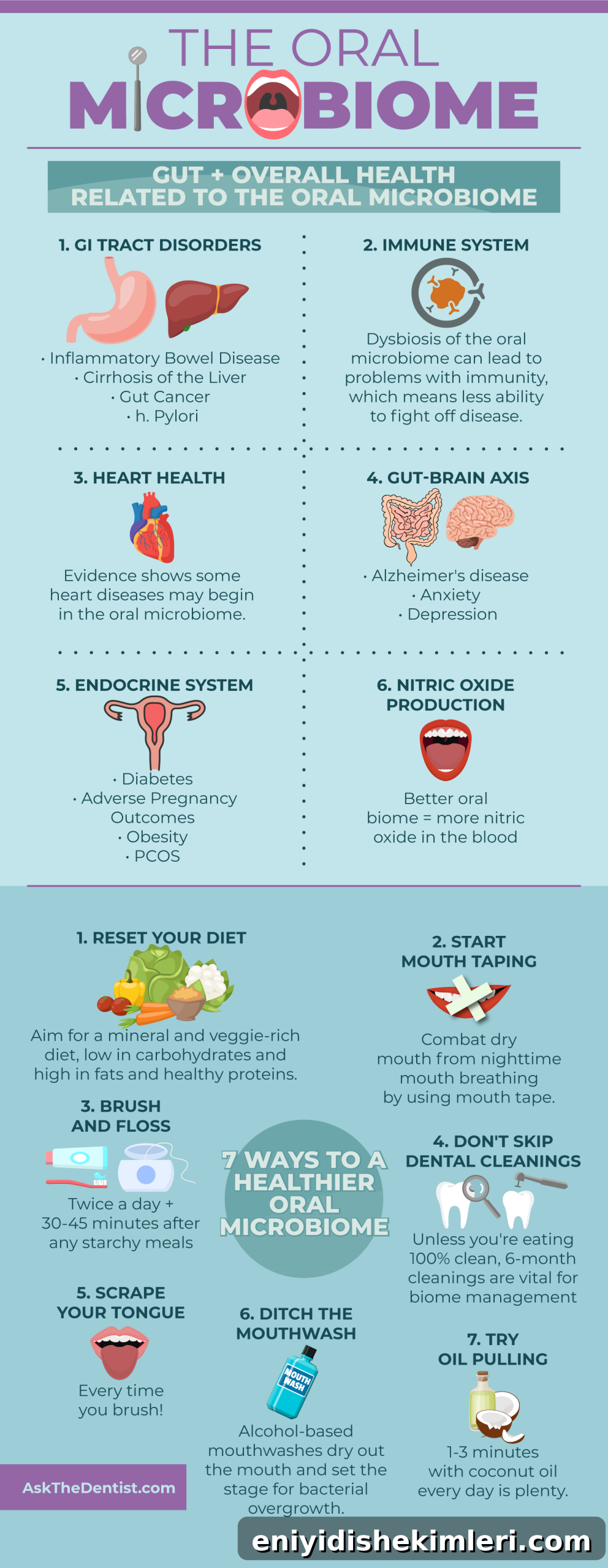
3. Cardiovascular health
Oral microbiome problems are linked to atherosclerosis and cardiovascular disease. Periodontitis and heart disease correlate strongly; both involve systemic inflammation and can share microbial and inflammatory markers.
4. Gut-brain axis
The gut-brain axis connects microbial health with brain function; oral microbes influence that axis through their effect on the gut. Associations exist between oral dysbiosis and neurodegenerative and psychiatric conditions.
Alzheimer’s disease
Emerging research suggests a possible causal link between P. gingivalis and Alzheimer’s. Studies propose that P. gingivalis can travel from the mouth to the brain, where bacterial enzymes called gingipains associate with toxic tau tangles; inhibitors targeting these enzymes have shown promise in animal models.
Anxiety and depression
Oral health correlates with anxiety and depression: poor dental health, tooth pain, and bleeding gums track with higher rates of these conditions. Since effective treatment for anxiety and depression often requires addressing gut dysbiosis, oral hygiene should not be overlooked.
5. Endocrine system
Diabetes
Diabetes and periodontitis are closely linked. Periodontitis increases diabetes risk, and people with diabetes have distinctly different oral microbiomes. The direction of causality is complex and likely bidirectional.
Adverse pregnancy outcomes
Oral pathogens such as F. nucleatum have been identified in placental and fetal tissues and are implicated in preterm labor, preeclampsia, low birth weight, and other complications. Transfer of bacteria from periodontal infections to the placenta can trigger inflammation and impaired fetal development.
Obesity
Some studies find specific oral bacteria associated with obesity, though cause-and-effect is unclear. Dietary patterns common in obesity can promote oral dysbiosis, but repeated observations of certain pathogens deserve further investigation.
Polycystic ovarian syndrome (PCOS)
PCOS is linked to gut microbiome changes, and elevated Prevotella has been observed in saliva from women with PCOS, highlighting another oral–systemic connection.
6. Nitric oxide production
Nitrate-reducing oral bacteria play a role in systemic nitric oxide production, which supports vascular health, blood pressure regulation, digestion, and metabolic function. Changes in oral microbiome composition can alter nitric oxide availability and influence cardiovascular risk and metabolic health.
High-sugar diets: harmful to both gut and mouth
Dietary sugar and refined carbohydrates harm both oral and gut microbiomes. High-sugar diets increase inflammation, lower oral pH (promoting tooth demineralization), and encourage plaque buildup and dysbiosis. Acidic oral environments favor acid-producing pathogens like Streptococcus mutans and yeast, driving dental caries and reduced microbial diversity. Reducing sugar intake and favoring nutrient-rich, low-carbohydrate foods supports both oral and gut microbial balance.
Oral thrush (Candida overgrowth) is also promoted by high sugar consumption and requires a multifaceted approach that includes dietary changes and immune support.
Pregnancy, birth, and microbiota development
Early life events shape lifelong microbiome diversity. Mode of delivery and breastfeeding influence the infant’s oral and gut microbiomes. Vaginal delivery and breastfeeding transfer maternal microbes that help establish healthy microbial communities. Cesarean delivery and lack of breastfeeding are associated with altered microbial profiles and increased risks for conditions such as asthma, celiac disease, type 1 diabetes, and obesity. In some cases, vaginal microbial transfer has been proposed to partially restore microbial exposure to cesarean-born infants.
7 ways to support your oral microbiome
Supporting a balanced oral microbiome benefits whole-body health. Practical steps include:
1. Reset your diet
Focus on mineral-rich foods (leafy greens, seafood, grass-fed dairy), healthy fats (fatty fish, nuts, olive, coconut, avocado oils), non-starchy vegetables, vitamin-K-rich foods, and plenty of water. Limit carbohydrates so they occupy no more than about 15% of your plate, avoid daily sugary treats, and reduce prolonged sipping of acidic beverages. Moderation of phytic-acid-rich foods can also help in some cases.
2. Address dry mouth and mouth breathing
Dry mouth promotes bacterial overgrowth. Interventions that reduce nighttime mouth breathing and improve salivary flow can support a healthier oral biome.
3. Brush and floss regularly
Brushing and flossing help manage biofilm and reduce pathogenic overgrowth. Aim to brush and floss after waking, before bed, and about 30–45 minutes after carbohydrate-rich meals.
4. Keep regular dental cleanings
Professional cleanings help remove plaque that can promote dysbiosis. Frequency depends on diet and individual risk, but routine care supports oral microbial balance.
5. Scrape your tongue
Tongue scraping removes bacterial buildup, improves breath, and can enhance taste.
6. Avoid overusing conventional mouthwashes
Alcohol-based antiseptic mouthwashes can damage beneficial oral microbes and dry the mouth. Use them sparingly and consider natural rinses that support rather than eradicate oral microbial diversity.
7. Test your oral microbiome
Testing provides data-driven insight into your oral microbial composition so you can monitor and manage changes effectively.
Key takeaways
The oral microbiome is tightly connected to gut health and overall systemic health. Supporting a balanced, diverse oral microbial community—through diet, hygiene, professional care, and lifestyle—helps reduce inflammation and disease risk across multiple body systems. Prioritizing oral microbial health complements gut-focused strategies and contributes to whole-body wellness.