Like colorful cereals and fruit drinks, many toothpastes aimed at children come in playful packaging that hides potentially harmful ingredients. A quick look at ingredient lists for popular kids’ toothpastes often reveals substances such as Triclosan, which may disrupt hormones, and Sodium Lauryl Sulfate, which can trigger canker sores in some children. Many commercial children’s formulas also contain fluoride, microbeads, artificial sweeteners, diethanolamine, aspartame, and other ingredients parents may prefer to avoid.
So what’s the solution? Since getting a child to enjoy brushing is already a challenge, selecting a safe, pleasant-tasting toothpaste shouldn’t add to the stress. That’s why I developed a simple, kid-friendly toothpaste recipe that is quick to make and uses straightforward ingredients. It’s designed to be safe, effective, and appealing to children.
If you prefer a ready-made option that meets these criteria, consider a product that avoids fluoride, SLS, essential oils, and known endocrine disruptors while using safer active ingredients. One recommended commercial choice leverages nano-hydroxyapatite to support enamel remineralization, xylitol to reduce early decay, a chicory root prebiotic to nurture the oral microbiome, and monk fruit as a natural sweetener. The chocolate flavor tends to be well-liked by kids and the ingredient list reads like something you could make at home. If you have time, try the DIY version below; if not, a carefully chosen commercial product can be a good alternative.
The best feature of the homemade recipe is its simplicity—preparation takes about 10–15 minutes, and most ingredients are easy to find at health food stores or online. Inviting older children to help make the toothpaste can make them more excited about using it, increasing their engagement with dental care routines.
Before the recipe, here are the main ingredients and their benefits:
Coconut oil — Helps reduce bad breath, can assist in cavity prevention, soothes gum inflammation, and may help whiten teeth.
Baking soda — Antibacterial and antifungal; studies show it can reduce levels of Streptococcus mutans, a bacteria associated with tooth decay.
Anise — Pimpinella anisum (anise) offers antifungal, antioxidant, and antiviral properties and can support a balanced oral microbiome. It is also known for its mild polishing effect on teeth. Unlike many essential oils, anise is less strongly antibacterial and is generally better tolerated in this context.
Xylitol — A natural sweetener shown to help reduce early tooth decay and promote oral health.
Learn More:The Complete Guide to DIY Toothpaste (And the Recipe I Use)
Print
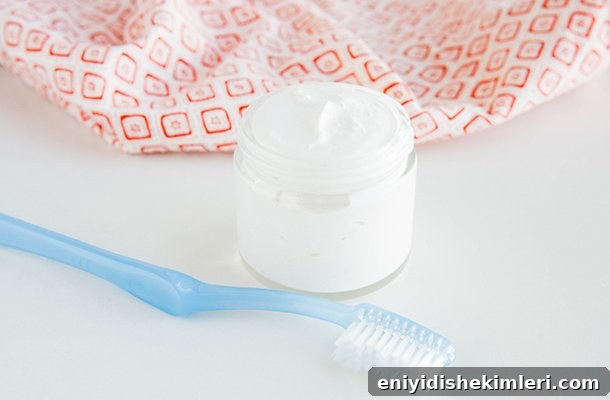
DIY Kids’ Toothpaste

5 from 1 review
Adults should be cautious about flashy, brightly colored commercial toothpastes, and the need for care is even greater with children. Many products aimed at kids prioritize appearance and flavor over dental health. When possible, making your own kids’ toothpaste allows you to control ingredients and eliminate unwanted additives.
Here’s how:
- Author: Dr. Burhenne
- Prep Time: 10 minutes
- Cook Time: 5 minutes
- Total Time: 15 minutes
- Yield: 5–7 days for families with 2 kids 1x
Ingredients
Scale
- 4 tablespoons Calcium Carbonate
- 1/2 teaspoon Baking Soda
- 1 teaspoon Cold-pressed Organic Coconut Oil (melted)
- 2.5 teaspoon Distilled Water
- 1–2 drops Anise Essential Oil
- 1 capsule crushed probiotic (optional)
- Xylitol (2 tablespoons plus 1 additional teaspoon)
Instructions
- In a bowl, combine the calcium carbonate, xylitol, baking soda, and the optional crushed probiotic. Mix thoroughly with a fork until evenly blended.
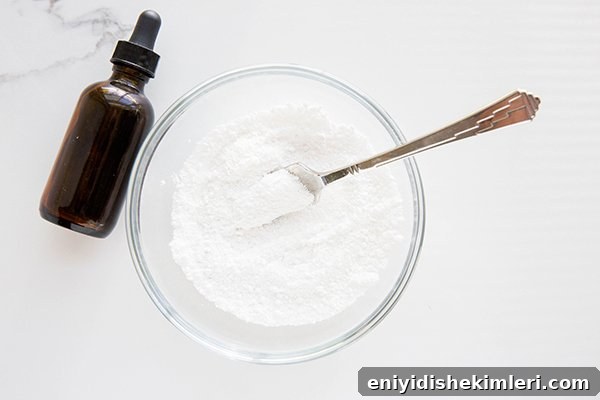
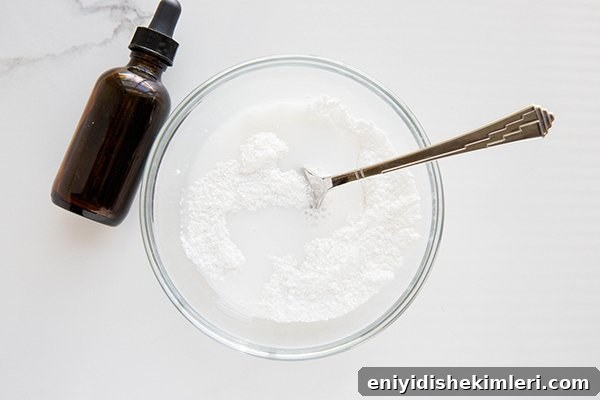
- Add the distilled water a little at a time and stir until the mixture forms a paste and all dry ingredients are incorporated.

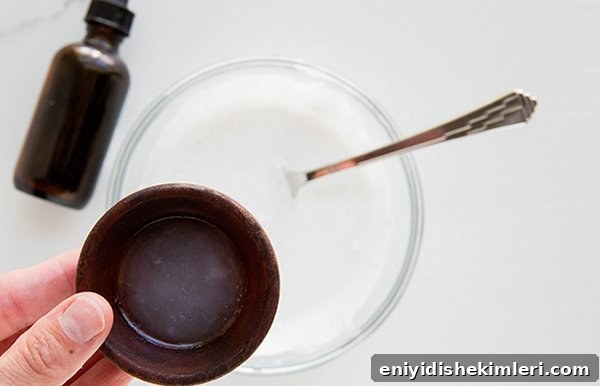
- While mixing vigorously, slowly add the melted coconut oil until it is fully incorporated into the paste.
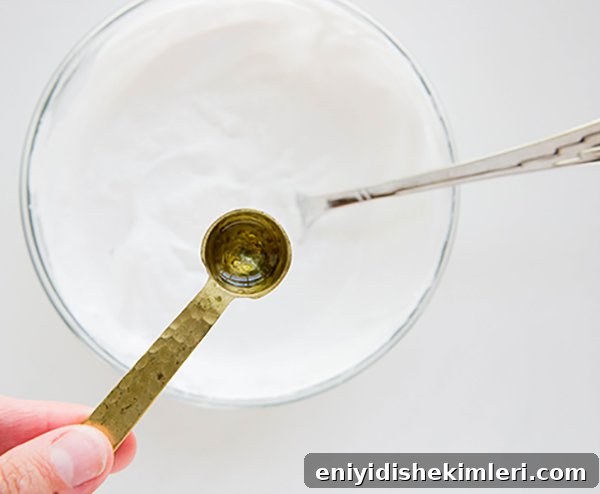
- Add 1–2 drops of anise essential oil and continue mixing until the paste is smooth and free of lumps.
- The final texture should be creamy and similar to commercial toothpaste. If needed, blend briefly in a food processor to reach the desired consistency.
Notes
Storage Tips & How to Use
Store the toothpaste in a clean glass jar or a refillable squeeze tube. Only keep out what you will use within 5–7 days and store the remainder in the refrigerator for up to two weeks.
For children resistant to change, start by putting a small amount of the DIY paste on their toothbrush alongside the familiar commercial paste. Gradually increase the amount of homemade toothpaste while decreasing the commercial product to ease the transition.
Because coconut oil can leave a residue, consider discarding rinsed toothpaste solids in the trash rather than rinsing them down the sink to help prevent pipe buildup over time.