Q
I hate flossing. I know I need to do it, but I just can’t stand it. What are my options?
A
Let me be the first dentist to say this — I don’t blame you for not flossing. It’s not your fault. Flossing can be awkward, uncomfortable, and many people are put off by the pressure or guilt they feel from others. If guilt alone worked, you’d already be flossing. The key is finding a method that fits your routine and feels manageable.
Does any of this sound familiar?
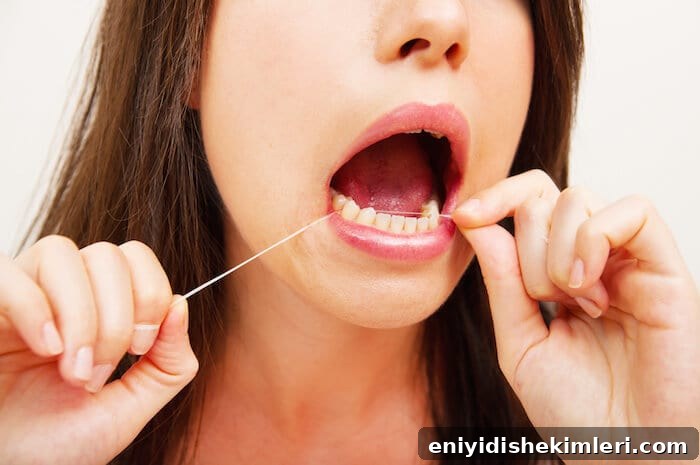
- Your fingers go numb after winding floss around them.
- Trying to estimate how much floss you need each time.
- Worrying about hygiene as you put your fingers in your mouth—did I wash them well enough?
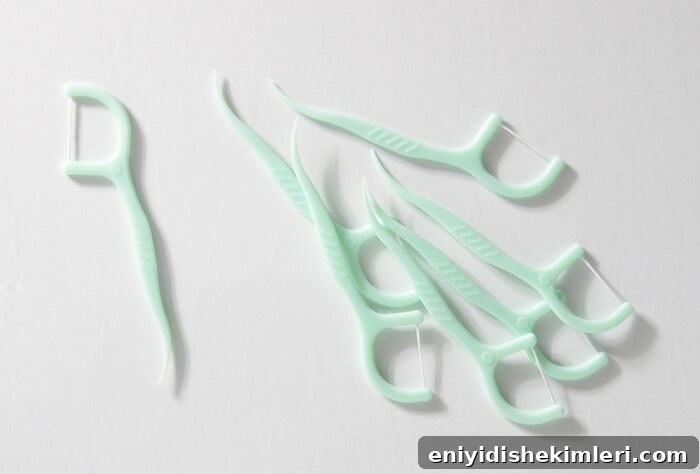
You already know flossing matters, so make it easier on yourself. One simple solution is a flossing stick — a handheld device shaped like a toothbrush with a small replaceable flosser head. They’re inexpensive and widely available at drugstores and online.
Flossing sticks turn flossing into a one-handed task. They’re convenient for multitaskers—you can hold your phone or the TV remote in one hand while you clean between teeth with the other. For many people, switching to a flossing stick is the habit-changing adjustment that finally makes flossing consistent, which can have long-term benefits for oral health and overall well-being.
Who Are Flossing Sticks Good For?
If you’re a multitasker: A flossing stick is one-handed and mirror-free, so you can floss while on your phone, watching TV, or during other daily tasks.
If you’re short on time: Flossing with a stick is faster—often around 60% quicker from start to finish—so you’re more likely to keep it up.
If flossing hurts your fingers: The handle eliminates the need to put your hands deep in your mouth or wrap floss around your fingers, reducing discomfort and circulation issues.
If you find flossing annoying: No more winding floss, guessing lengths, or fumbling; the preloaded head simplifies the job.
If you’re a parent: Flossing sticks make it easier to clean children’s teeth. They’re especially helpful for parents of children with special needs.
If you have pets: Dogs also benefit from dental care. A flossing stick can be useful for cleaning a pet’s teeth when needed, because oral health affects overall health in animals too.
If flossing is physically challenging: People with limited grip strength, coordination issues, disabilities, or who are older often find flossing sticks much more manageable.
If flossing causes pain: The design of the stick gives better control and leverage, helping you avoid pressing the floss too far into the gum line and reducing the chance of cutting or hurting your gums.
If you’re sick: During cold and flu season, using a flossing stick avoids putting your hands into your mouth, which can feel more hygienic and comfortable.
If you travel to places with limited clean water: You can carry extra replaceable heads and swap them daily instead of trying to rinse reusable floss in uncertain water supplies.
If you have a small mouth or hard-to-reach teeth: Flossing sticks reach areas that can be awkward with traditional floss, including wisdom teeth or tight back contacts.
Keep a flossing stick with your toothbrush to make it part of your routine. For many people, switching tools is the small change that leads to consistent flossing, better gum health, fewer dental problems, and improved confidence.
Learn More: How Bad Is Not Flossing?