Modern dental care often assumes cavities must be filled, but there are alternative approaches. A remineralizing mouth rinse can support your teeth’s natural rebuilding process and, when used early enough, may even help reverse small cavities.
Sounds unlikely?
It’s not.
Cavities arise from several interacting factors in the mouth: an acidic pH, insufficient mineral-rich saliva, and bacteria that metabolize food residues and produce acids that dissolve tooth enamel.
When those factors are improved—when pH is neutralized, saliva production is adequate, and the oral microbiome is balanced with beneficial bacteria—it’s possible not only to prevent new cavities
but also to help reverse early decay.
This is where a remineralizing mouth rinse can be helpful.
There are certainly cases where fillings are necessary, but many people can benefit from approaches that encourage natural healing and remineralization.
The challenge is that common lifestyle choices and many commercial dental products interfere with natural remineralization, making it harder for teeth to repair early damage.
To create an oral environment that supports natural healing, following a nutrient-rich diet and using supplements such as oral probiotics that promote remineralization are important. It’s equally important to avoid products that disrupt the mouth’s ecology—conventional mouthwashes are a frequent offender.
If you use mouthwash daily to try to freshen breath, whiten teeth, or clean between teeth, be aware that many traditional formulations don’t deliver those benefits and can cause harm.
Antibacterial mouthwashes can destroy beneficial oral bacteria, dry the mouth, and leave room for harmful bacteria to flourish. A dry mouth is more prone to cavities because saliva is essential for remineralization, and reduced saliva production also contributes to bad breath.
Some natural mouthwashes are better than common commercial products, and it’s also simple and often healthier to make your own remineralizing rinse at home.
This DIY remineralizing mouth rinse supports the oral microbiome, helps rebalance oral pH, and supports teeth in their natural remineralization process.
Key ingredients and why they matter:
L-Arginine — an amino acid that supports oral health and helps maintain a healthier balance in the oral microbiome.
Calcium carbonate — a gentle, safe abrasive that helps remove debris and surface stains while supplying calcium.
Anise — provides natural breath-freshening properties.
Blue-green algae — helps stabilize pH and supports moisture in the mouth.
Recipe overview:
DIY Remineralizing Mouth Rinse
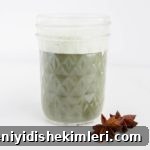
Swishing this mouth rinse for 30 to 60 seconds helps rebalance your oral microbiome and supports your teeth’s natural ability to remineralize. Use it in the morning to freshen breath and neutralize pH after sleep.
- Author: Dr. Burhenne
- Prep Time: 5 minutes
- Cook Time: 5 minutes
- Total Time: 10 minutes
- Yield: 16 servings
Ingredients
- 1/2 teaspoon L-Arginine
- 1/2 teaspoon Calcium carbonate
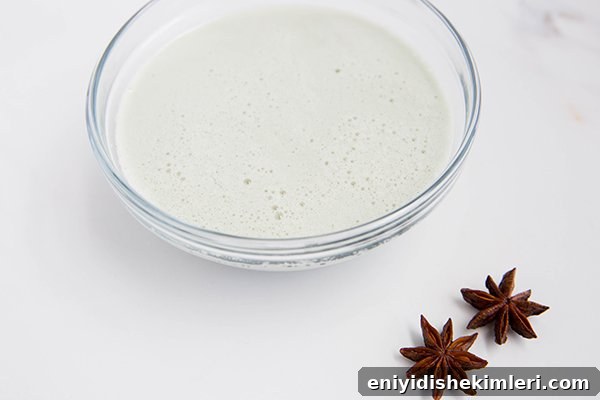
- 2–3 pieces Anise, soaked in 1 cup hot water for 1 hour up to 24 hours
- 1/4 teaspoon Blue-green algae
Instructions
- Remove the anise pieces from the soaking water.
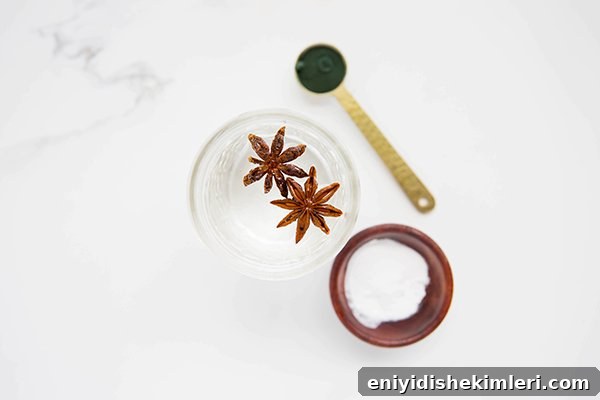
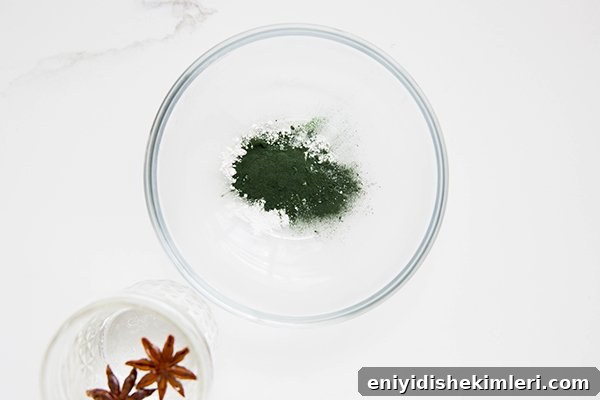
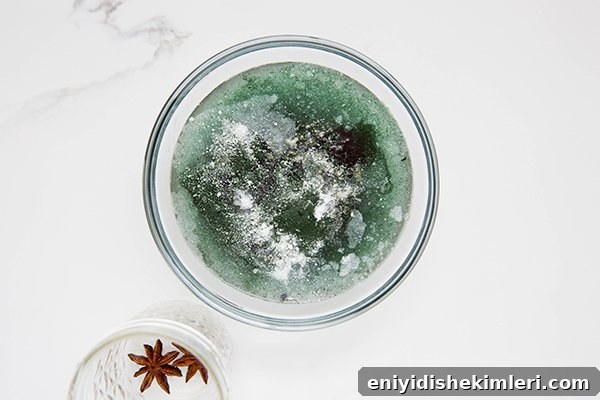
- Combine the remaining ingredients and the anise-infused water in a glass jar.

- Whisk or shake the jar until well combined, or blend briefly for a smooth mix.
- Use about 1 tablespoon of the rinse per swish. Swish for 30–60 seconds, then spit.
Prefer a ready-made alternative? The DIY rinse is great if you want full control over ingredients. If you prefer a prepared product, there are options designed to support remineralization.
For everyday remineralization, hydroxyapatite toothpaste can help rebuild enamel by supplying biomimetic mineral that bonds to tooth surfaces. These formulations often include prebiotic and supportive ingredients and are available without fluoride or harsh detergents.
For more concentrated at-home support during high-risk periods or for early lesions, professional-strength nano-hydroxyapatite varnishes deliver a higher mineral concentration and prolonged contact with tooth surfaces to aid deeper remineralization. These products were originally developed for clinical use and are formulated to remain on teeth longer than a rinse or toothpaste.