
I’ve said it many times—I’m a big fan of high-quality teas like matcha. I travel with these tea packets so I always have green tea on hand. People often ask two questions:
- What does matcha or other teas have to do with dental health?
- How can I tell if the matcha I buy is high quality?
A 2011 review from Harvard examined green teas from the Camellia sinensis plant, including matcha, and concluded:
“There is an explicit association between the consumption of green tea and oral health. Green tea products have been used for preventing and treating several oral and periodontal diseases. Drinking green tea at meals and breaks is a relatively easy habit to maintain and drinking green tea as frequently as possible may help to maintain a healthy mouth.”
Below I explain how matcha supports oral health, why it works, and how to choose the best matcha.
What is matcha?
Matcha is a powdered green tea with a long history. Samurai drank it before battle and Japanese monks used it in Zen ceremonies to prepare for long periods of meditation. For modern life, a cup or two of matcha can bring clarity, focus, and calm instead of the midday fog or stress many people experience.
Matcha offers benefits for both mind and body, and many of those benefits extend to oral and dental health.
Reducing symptoms of depression and anxiety can also positively affect dental health.
8 scientific dental health benefits of matcha
1. Reduces anxiety and depression (which can help dental health)
Matcha is rich in L-theanine, an amino acid found primarily in tea. L-theanine increases brain levels of neurotransmitters like serotonin and dopamine, which help regulate mood and protect against anxiety and depression. Studies also show the combination of L-theanine and caffeine in matcha can improve focus, boost performance during long tasks, and reduce the jittery effects of caffeine.
Improved mood matters for oral health: depression and anxiety are associated with higher rates of cavities, tooth loss, dry mouth, poorer oral hygiene, and more frequent gum bleeding and toothaches. Better mental health often leads to better oral care and outcomes.
Depression, anxiety, and overall well-being are linked with dental health. Drinking matcha and adopting habits that reduce stress may support better oral health.
2. Fights tooth decay
Matcha contains EGCG and other catechins—antioxidants that reduce growth of cavity-causing bacteria. Research shows these compounds can inhibit multiple bacterial strains linked to tooth decay. Clinical observations include reduced plaque formation after rinsing with green tea and fewer cavities among students given a cup of green tea after lunch. Polyphenols added to foods or gum also reduce plaque and cavity risk in studies.
3. Reduces gum disease
Gum disease ranges from gingivitis to advanced periodontitis and involves inflammation and harmful bacteria. Epidemiological studies link higher green tea intake with less gum disease, and lab research shows green tea compounds limit growth of Porphyromonas gingivalis, a major periodontal pathogen. Human trials delivering green tea catechins to gum pockets have shown improvements in periodontal status. Green tea mouthwash has also improved gum health in studies and produced fewer side effects than some conventional mouthwashes.
These antioxidants may also support brain health and could be a piece of the puzzle connecting gum disease with neurodegenerative conditions.
4. Reduces bad breath
Bad breath often results from an imbalanced oral microbiome and sulfur compounds produced by bacteria. Matcha’s antioxidants can modify these sulfur compounds and reduce malodor. Chewing gum with green tea extracts has also been shown to decrease production of certain foul-smelling compounds.
5. May reduce oral cancer risk
Risk factors for oral cancer include smoking and poor diet, among others. Green tea antioxidants can neutralize reactive oxygen species (free radicals) that cause oxidative stress and DNA damage. Some clinical trials in patients with precancerous oral lesions reported reductions in lesion size after tea-based treatments, suggesting a potential role for green tea in preventing progression of precancerous changes for some individuals.
6. Supports detoxification
Our bodies encounter toxins from the environment and food. Antioxidant-rich foods help counteract damage from these toxins. Matcha contains chlorophyll and other compounds that, in animal studies, supported liver detoxification and elimination of heavy metals and other toxins. For people with certain genetic variations that impair detoxification, antioxidant support can be especially helpful.
7. May help with oral thrush
Some compounds in matcha can enhance the effectiveness of antifungal agents against Candida, the yeast responsible for oral thrush. This suggests matcha could play a supportive role in managing fungal overgrowth in the mouth.
8. Promotes cardiovascular health
Catechins in green tea have anti-inflammatory effects that protect vascular function and cardiovascular health. Since advanced gum disease is associated with increased risk of heart disease, adding green tea to the diet may help reduce risk factors for both oral and cardiovascular problems.
How matcha is grown and why it matters
Matcha is grown in shade before harvest, which increases chlorophyll and L-theanine content. Higher chlorophyll yields a vibrant green color and boosts antioxidant levels. Increased L-theanine contributes to mental clarity, calm, and the umami flavor that characterizes high-quality matcha.
Because matcha is powdered whole-leaf tea, you consume the entire leaf and its nutrients rather than just the soluble compounds extracted during steeping in traditional brewed tea.

A premium matcha tastes balanced and mildly savory with creamy notes and a hint of fresh cut grass. It should be enjoyable without sweeteners.
How to choose a high-quality matcha: grade, flavor, color, froth
Here are practical tips for picking quality matcha:
Grade: Ceremonial grade is considered the highest, but there are no universal standards. Look for ceremonial grade that is also organic and toxin-screened.
Flavor: High-quality matcha has a mild vegetal, umami profile with creamy and roasted notes, not an overly grassy or artificially sweet taste.
Color: Bright green indicates higher chlorophyll and better-quality leaves. A yellow tint often means lower quality or older harvests.
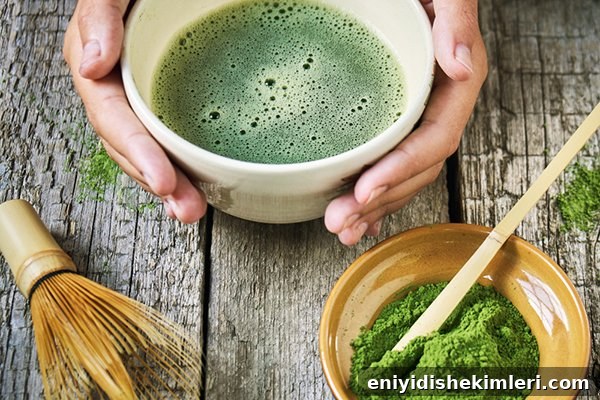
Froth: When whisked, quality matcha forms a smooth, fine froth. Large bubbles usually indicate lower quality.
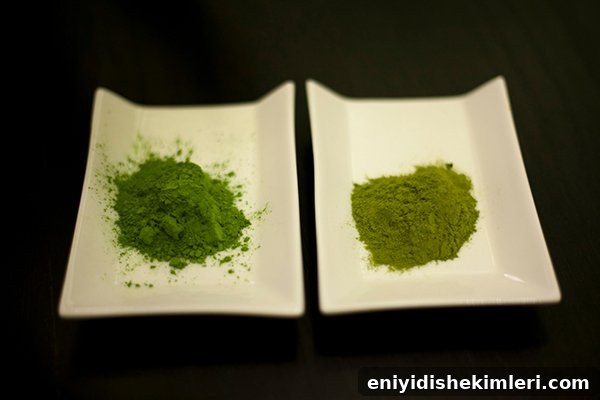
High-quality matcha is an excellent replacement for coffee for many people, delivering steady energy from caffeine combined with calming L-theanine.
Matcha is a powerhouse for oral health and can help with many common dental issues.
You can also enjoy matcha in a frothy vanilla almond milk latte as a delicious, healthy alternative to sugary drinks.
Key takeaways
High-quality matcha can support oral health by helping to reduce cavities, gum disease, bad breath, precancerous changes, and fungal overgrowth, while also supporting mood and detoxification. When buying matcha, prioritize bright green color, a balanced umami flavor, a fine froth, and certification or testing for toxins when possible.
If you have other beverages you’d like covered, feel free to reach out and ask.
References
- Arab, H., Maroofian, A., Golestani, S., Sohrabi, K., & Forouzanfar, A. (2011). Review of The therapeutic effects of Camellia sinensis (green tea) on oral and periodontal health. Journal of Medicinal Plants Research, 5(23), 5465-5469.
- Nathan, P. J., Lu, K., Gray, M., & Oliver, C. (2006). The neuropharmacology of L-theanine. Journal of Herbal Pharmacotherapy, 6(2), 21-30.
- Dietz, C., & Dekker, M. (2017). Effect of green tea phytochemicals on mood and cognition. Current Pharmaceutical Design, 23(19), 2876-2905.
- Okoro, C. A., Strine, T. W., Eke, P. I., Dhingra, S. S., & Balluz, L. S. (2012). The association between depression and anxiety and use of oral health services and tooth loss. Community Dentistry and Oral Epidemiology, 40(2), 134-144.
- Bergdahl, M., & Bergdahl, J. (2000). Low unstimulated salivary flow and subjective oral dryness: association with medication, anxiety, depression, and stress. Journal of Dental Research, 79(9), 1652-1658.
- Friedlander, A. H., & Mahler, M. E. (2001). Major depressive disorder: psychopathology, medical management and dental implications. The Journal of the American Dental Association, 132(5), 629-638.
- Marques‐Vidal, P., & Milagre, V. (2006). Are oral health status and care associated with anxiety and depression? Journal of Public Health Dentistry, 66(1), 64-66.
- Hassel, A. J., et al. (2011). Oral health-related quality of life is linked with subjective well-being and depression in early old age. Clinical Oral Investigations, 15(5), 691-697.
- Narotzki, B., Reznick, A. Z., Aizenbud, D., & Levy, Y. (2012). Green tea: a promising natural product in oral health. Archives of Oral Biology, 57(5), 429-435.
- Kushiyama, M., Shimazaki, Y., Murakami, M., & Yamashita, Y. (2009). Relationship between intake of green tea and periodontal disease. Journal of Periodontology, 80(3), 372-377.
- Hirasawa, M., Takada, K., Makimura, M., & Otake, S. (2002). Improvement of periodontal status by green tea catechin using a local delivery system: a clinical pilot study. Journal of Periodontal Research, 37(6), 433-438.
- Moghbel, A. A. H., et al. (2010). Formulation and evaluation of green tea antibacterial mouthwash effect on the aerobic mouth bacterial load.
- Wang, Y., et al. (2012). Green tea epigallocatechin‑3‑gallate (EGCG) promotes neural progenitor cell proliferation. Molecular Nutrition & Food Research, 56(8), 1292-1303.
- Poole, S., et al. (2015). Active invasion of Porphyromonas gingivalis and infection-induced complement activation in ApoE-/- mice brains. Journal of Alzheimer’s Disease, 43(1), 67-80.
- Yasuda, H., Moriyama, T., & Tsunoda, M. (1995). The effect of chewing gum for halitosis by gas chromatography—Investigation of chewing gum containing tea extracts.
- Petti, S. (2009). Lifestyle risk factors for oral cancer. Oral Oncology, 45(4-5), 340-350.
- Li, N., Sun, Z., Han, C., & Chen, J. (1999). The chemopreventive effects of tea on human oral precancerous mucosa lesions. Proceedings of the Society for Experimental Biology and Medicine, 220(4), 218-224.
- Simonich, M. T., et al. (2008). Low-dose dietary chlorophyll inhibits multi-organ carcinogenesis in the rainbow trout. Food and Chemical Toxicology, 46(3), 1014-1024.
- Hirasawa, M., & Takada, K. (2004). Multiple effects of green tea catechin on the antifungal activity of antimycotics against Candida albicans. Journal of Antimicrobial Chemotherapy, 53(2), 225-229.
- Babu, A., Pon, V., & Liu, D. (2008). Green tea catechins and cardiovascular health: an update. Current Medicinal Chemistry, 15(18), 1840-1850.
- Bahekar, A. A., et al. (2007). The prevalence and incidence of coronary heart disease is significantly increased in periodontitis: a meta-analysis. American Heart Journal, 154(5), 830-837.
- Eggink, L. L., Park, H., & Hoober, J. K. (2001). The role of chlorophyll b in photosynthesis. BMC Plant Biology, 1(1), 2.
- Oregon State University. Chlorophyll and Chlorophyllin.
- Nobre, A. C., Rao, A., & Owen, G. N. (2008). L-theanine and its effect on mental state. Asia Pacific Journal of Clinical Nutrition, 17(S1), 167-168.