
When your teeth are sensitive, everyday activities can become painful. Sipping hot tea, eating, or stepping into cold air may trigger sharp tooth pain when dentin—the inner layer of the tooth—is exposed to temperature changes, pressure, or certain foods and drinks.
This heightened reaction is called dentin hypersensitivity. Below is a clear, practical guide to the common causes, how dentists diagnose the problem, and evidence-based treatments and prevention strategies you can use.
This article may reference products. Recommendations are provided to help you improve oral health based on experience and research.
Why sensitive teeth hurt
Enamel is the hard outer shell that protects dentin and the tooth’s nerve pathways. When enamel erodes or gums recede and expose dentin, stimuli such as cold, heat, or acidic foods can directly affect the nerve, producing sharp, short-lived or persistent pain.
When enamel is compromised and dentin becomes exposed, pain commonly follows.
Common causes that expose dentin include cavities, cracked teeth, gum recession, erosion from acids, and failed dental work. Because dentin connects to the nerve, any direct stimulation can be painful. Understanding the cause is the first step to relief.
Causes of sensitive teeth
Tooth sensitivity can be localized to one or a few teeth or affect most teeth. The pattern and severity of pain help determine whether home care is appropriate or if professional dental treatment is needed.
If pain is limited to one or a few teeth or is severe, see a dentist. Widespread, mild sensitivity is often caused by lifestyle factors and may respond to home care.
Regional tooth pain (one or two teeth)
Localized, severe, or single-tooth pain typically requires dental evaluation. Dentists use differential diagnosis—questions about symptoms and dental habits plus clinical exam and x-rays—to identify the offending tooth.
Common localized causes:
1. Cracked tooth
Cracks can harbor bacteria and inflame the tooth pulp, sometimes leading to abscess and infection.
2. Cavities
When decay reaches dentin, sensitivity or pain occurs. Cavities that reach dentin usually require a filling, root canal, or extraction depending on severity.
3. Tooth abscess
An infection can erode enamel and bone and produce intense, debilitating pain along with swelling, fever, bad breath, or draining sores. An abscess needs prompt treatment.
4. Gingivitis and gum recession
Gum inflammation or recession exposes tooth roots and dentin. Food impaction in receded areas can cause sharp localized pain and should be cleared by a dentist if flossing doesn’t remove the debris.
5. Recent dental work
Procedures can cause temporary sensitivity; persistent or worsening pain after work may require adjustment or a follow-up visit.
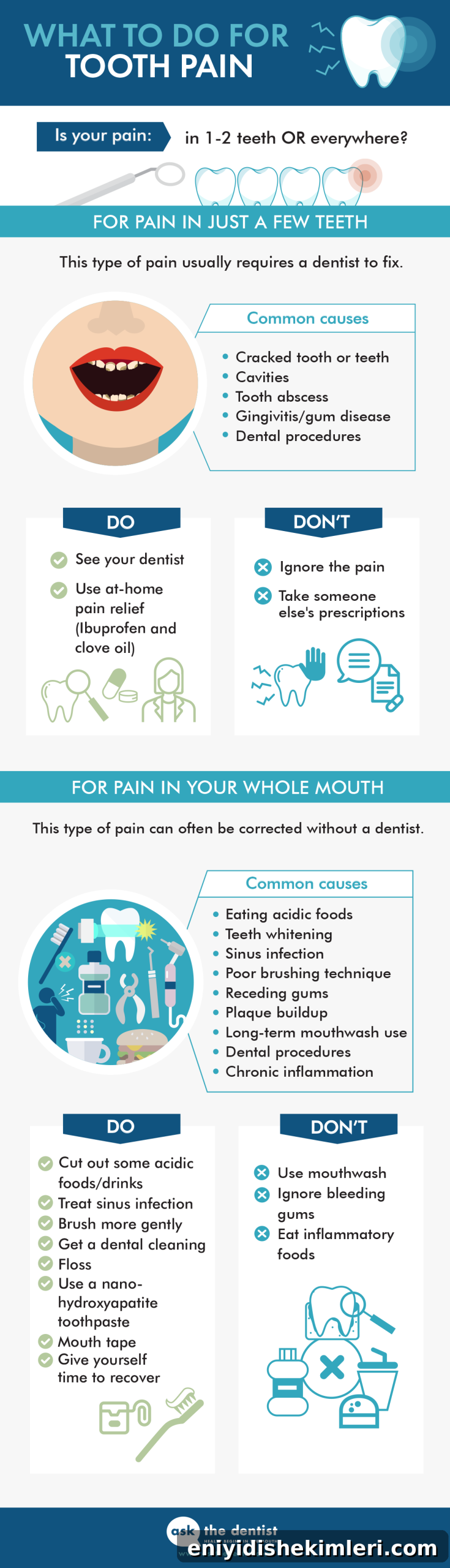
Global tooth pain (many or all teeth)
Sensitivity across most teeth on both sides of the mouth is often caused by external lifestyle or systemic factors and can frequently be addressed without immediate dental intervention.
Common causes of widespread sensitivity:
1. Increased consumption of acidic foods
Frequent acid exposure from foods and drinks can erode enamel quickly, creating new sensitivity.
2. Teeth whitening
Whitening products can temporarily increase sensitivity; symptoms often improve a few days after discontinuing the product.
3. Sinus infection
Sinus inflammation sits near upper tooth nerves and can cause intermittent, position-dependent tooth pain across several upper teeth.
4. Poor brushing technique
Aggressive brushing or hard-bristled brushes wear enamel and cause recession over time. Switch to a softer brush and gentler technique.
5. Receding gums
Gum recession exposes root surfaces that have thin enamel, making teeth more reactive to stimuli. Recession often worsens with age and requires dental monitoring and treatment.
6. Plaque and calculus buildup
Heavy deposits can demineralize enamel. After professional cleaning, exposed surfaces can be temporarily more sensitive until remineralization occurs.
7. Long-term acidic mouthwash use
Many over-the-counter mouthwashes are acidic and can accelerate enamel wear. Consider neutral/alkaline alternatives or gentler oral rinses.
8. Dental procedures
Cleanings, fillings, and crowns can sometimes produce temporary sensitivity. Persistent issues often need a follow-up visit.
9. Chronic systemic inflammation
Conditions like uncontrolled diabetes can increase inflammation around periodontal ligaments, causing generalized tooth discomfort.
Bruxism (grinding) and sensitivity
Nighttime grinding exerts heavy forces that can fracture enamel, cause recession, and increase sensitivity. Grinding is frequently related to airway issues such as sleep apnea rather than stress alone. Addressing the underlying cause, not just protecting teeth with a night guard, offers better long-term results.
Treatment options and home care
Treatment depends on cause. Below are common approaches your dentist or you may consider.
1. Repair damaged teeth
Cracked teeth, deep cavities, and other structural problems often require crowns, fillings, or root canals to protect dentin and eliminate pain.
2. Treat abscesses
Abscess drainage, root canal therapy, extraction, and antibiotics may be necessary to control infection and resolve pain.
3. Treat gum disease
Professional cleaning, possible periodontal procedures, and improved home care reduce inflammation and gum recession. For mild disease, dietary changes and targeted home practices can help.
- Supportive measures: nutrient-dense, anti-inflammatory diet; oral probiotics; oil pulling; tongue scraping; saline or baking soda rinses.
4. Correct failed dental work
If a filling or crown creates ongoing pain (for example, a too-high restoration causing cold sensitivity), a quick adjustment by your dentist can resolve it.
5. Dietary changes
Reduce acidic and sugary foods and drinks, drink water regularly, rinse after acidic meals, and avoid sipping acidic beverages over long periods. These steps help enamel recover and prevent further demineralization.
6. Better dental hygiene
Use a soft-to-medium toothbrush, avoid overly abrasive toothpaste, and practice gentle brushing. If appropriate, consider toothpastes with nano-hydroxyapatite (nHa) to support remineralization.
7. Regular dental visits
Routine exams and cleanings allow early detection of decay, recession, and other issues that cause sensitivity.
8. Treat sinus infections
Sinus infections causing tooth pain are managed with saline rinses, decongestants, symptom control, or antibiotics when indicated. If tooth pain subsides with sinus treatment, dental intervention may be unnecessary.
9. Address bruxism
Investigate sleep-disordered breathing and other causes of grinding. Treating the root cause can reduce grinding-related tooth damage and sensitivity.
10. Stress reduction and inflammation control
Reducing chronic stress and adopting an anti-inflammatory diet can lower systemic inflammation that contributes indirectly to dental pain.
Frequently asked questions
Do I need to see a dentist for sensitive teeth?
If pain is localized to one or a few teeth, or if it intensifies quickly, see a dentist promptly. Widespread mild sensitivity can often be managed at home first, but seek dental care if symptoms worsen or persist.
Should I use fluoride for sensitivity?
Prescription fluoride has been used to remineralize enamel, but nano-hydroxyapatite toothpaste is an effective, non-toxic alternative that helps rebuild enamel and reduce sensitivity.
What is the best toothpaste for sensitive teeth?
Toothpaste containing nano-hydroxyapatite particles is an effective option to remineralize and desensitize teeth. Desensitizing toothpastes such as those containing potassium nitrate can help short-term, but nHa offers a non-toxic, restorative approach.
How quickly will sensitivity improve?
Sensitivity caused by diet or temporary irritants often improves within one to two weeks after changing habits. Dental treatments’ recovery times vary; your dentist can provide an expected timeline for lingering discomfort.
Final thoughts
Sensitive teeth usually occur because enamel or gum protection has been lost and dentin becomes exposed. Localized pain commonly signals cavities, cracks, abscesses, or failed dental work and merits prompt dental care. Widespread sensitivity is often related to diet, whitening, sinus issues, brushing habits, or systemic inflammation and can frequently be improved with lifestyle changes and appropriate oral care.
Key actions to reduce sensitivity: repair damaged teeth, treat infections, manage gum disease, improve diet and oral hygiene, address grinding and sleep issues, and seek regular dental care. Consider switching to a nano-hydroxyapatite toothpaste to support remineralization and reduce sensitivity over time.
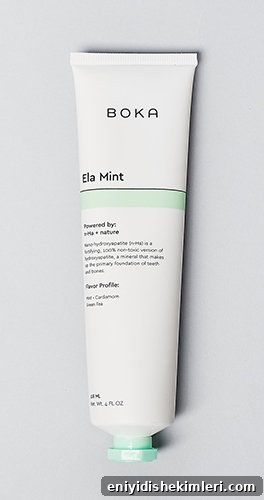
Boka Ela Mint Toothpaste
If your sensitivity is persistent, severe, or limited to one tooth, schedule a dental evaluation to identify and treat the underlying cause.