The dentist you choose will shape your destiny. Read Parts 1, 2, and 3 if you’d like more background.
This is Part 4 of 8. Today we focus on sleep.
Years ago my wife was diagnosed with obstructive sleep apnea. Not long after, I received the same diagnosis. I had practiced dentistry for decades by then, yet neither of us recognized the signs earlier. Two medically trained people living under one roof, both affected for years without realizing it.
That experience changed my career path. It made me spend every year since learning as much as possible about breathing during sleep. And it taught me one clear lesson, which I share without judgment: if you snore, you’re not unusual — you might be living the same situation I once did.
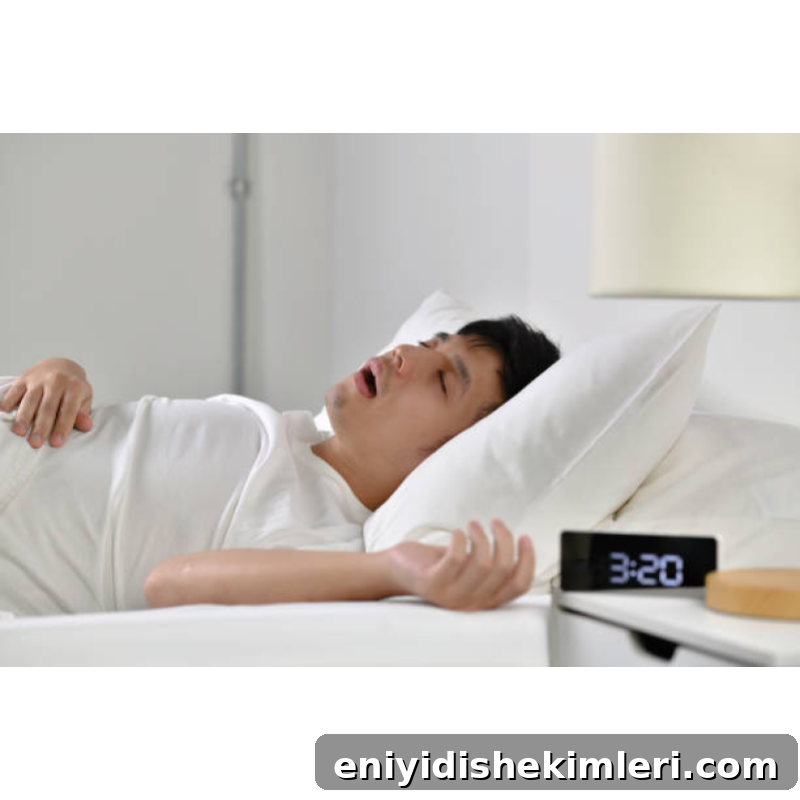
Snoring is rarely a harmless quirk or a sign of temporary tiredness. It is a symptom that breathing is compromised during sleep and that tissue and functional damage can accumulate over time.
Researchers at Umeå University in Sweden published findings in the journal Mitochondrion showing how snoring vibrations injure muscle tissue. They examined the effects of repeated vibration on muscle mitochondria — the tiny energy factories inside cells — and compared those results with samples from the airway muscles of people who snore and those with sleep apnea.
Their conclusions were striking: repeated vibration damages mitochondrial function, leaving airway muscles unable to generate energy efficiently when needed. Those are precisely the muscles that keep your airway open at night. When they weaken, the airway collapses more easily, which increases snoring and creates a vicious cycle of further injury and collapse — much like the vibration injuries seen in people who use jackhammers for a living.
Mouth breathing during sleep compounds the problem. When you breathe through your mouth, saliva production decreases and unfiltered, dry air passes over the back of the throat for hours. The nose is designed to warm, humidify, and filter the air, while the mouth is not. As a result, airway tissues dry out, become irritated and inflamed, and swell.
Dry, swollen tissues that once separated easily after a snore may start to stick together, making it harder for the airway to reopen. Narrowed airway space increases resistance to airflow, which raises vibration and the likelihood of collapse. This is a progressive process: small changes compound into larger consequences for sleep quality and overall health.
Which brings us to two possible patient pathways: one who sees a conventional dentist and another who sees a functional dentist.
In the first scenario, a patient presents with worn teeth from nighttime grinding. The dentist treats the immediate problem — crowns or a night guard — but never asks why an adult is grinding their enamel down. The underlying airway dysfunction goes unaddressed, and over years the repeated airway collapse and intermittent oxygen deprivation can cause cumulative damage to the brain, cardiovascular system, and metabolic health.
In the second scenario, the dental professional recognizes the pattern: worn enamel, a scalloped tongue, dry mouth, and a small or crowded jaw. Instead of treating only the tooth wear, this clinician considers breathing during sleep as the root cause. They screen the airway, refer to an ENT when appropriate, and recommend myofunctional therapy or other interventions that address muscle function and breathing mechanics. Treating the cause improves sleep quality and produces benefits that accumulate over time.
Different dental approaches can lead to very different long-term outcomes.
Snoring is one of the clearest warning signs in all of medicine, yet it is often dismissed with jokes, nudges, or earplugs. If you or a loved one snores, the kindest and most effective response is to act on it.
If I were advising someone today, here are the practical first steps I would recommend:
- Get the nose working again. Clear nasal breathing is foundational. If you can breathe well through your nose, gently taping the mouth closed at night can be transformative — but only after nasal obstruction is treated. Fixing nasal airflow is the most affordable and straightforward way to reduce mouth breathing.
- Measure the snore instead of dismissing it. Record a night with your phone or use an existing wearable. Listen for snoring, gasping, choking sounds, or pauses in breathing. Bring those recordings to a qualified healthcare professional for evaluation.
- See a dentist who screens the airway. Many dentists do not ask about sleep or snoring. If your dental visit never includes questions about sleep, find a clinician who will examine airway health and consider referrals. Dentists are often in a unique position to detect early signs of sleep-disordered breathing.
Next week: I’ll discuss a connection couples rarely hear about when they are trying to start a family.

P.S. A few things I personally use to support oral hygiene and a balanced oral microbiome:
- Hydroxyapatite toothpaste
- An oil-pulling blend as an alternative to mouthwash
- High-quality green tea
- Digestive enzyme supplements taken with meals
- Magnesium taken one to two hours before bedtime