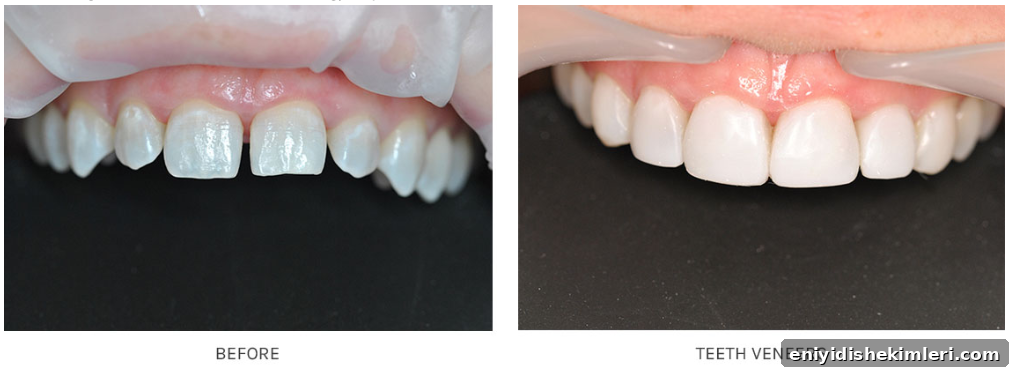
Have you been imagining a brighter, more confident smile — whether to impress friends and family or simply to correct discoloration or minor damage? Dental veneers may be the solution for you, but they’re not suitable for everyone. Before committing to this cosmetic procedure, it’s important to understand what veneers are, when they help, and what to expect.
What are veneers?
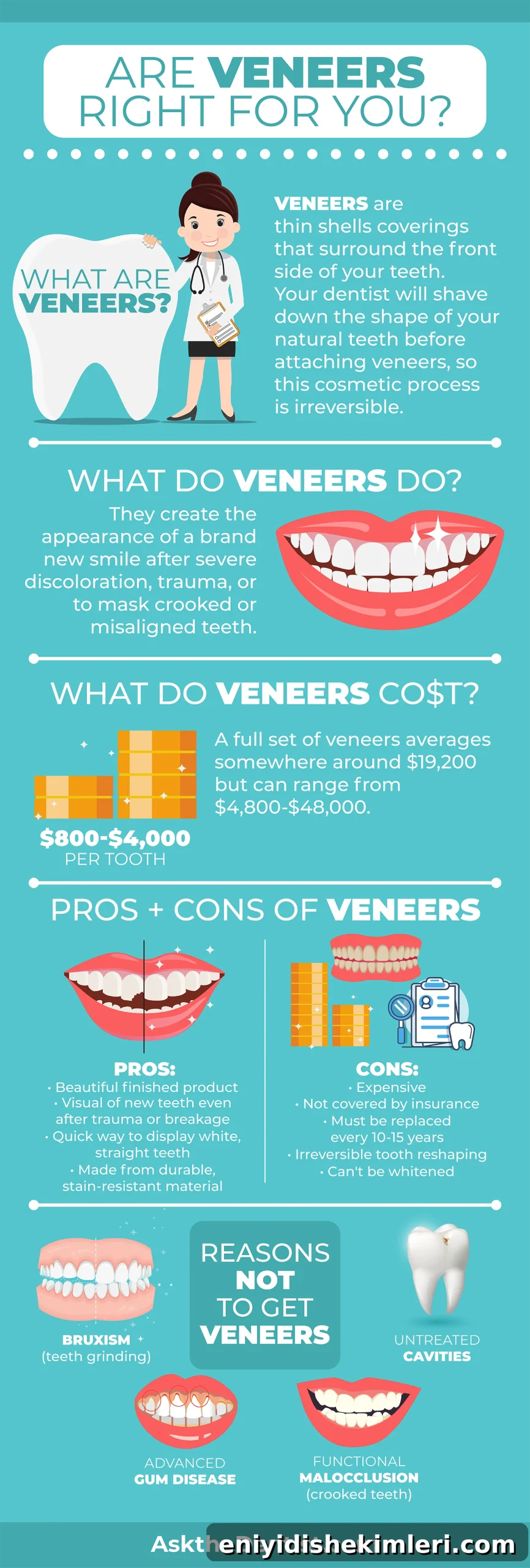
Veneers are thin, custom-made shells that cover the front surface of teeth. Typically made from porcelain or composite resin, veneers are bonded to prepared tooth surfaces using dental cement. Because some enamel is usually removed to fit the veneer, the change is permanent and replacements may be needed every 10–15 years.
Originally developed in the early 20th century for movie makeup and later refined as a restorative option, veneers now use durable, stain-resistant materials to produce natural-looking smile makeovers.
When to use (and not to use) veneers
Veneers are commonly chosen to address:
- Severe tooth discoloration that won’t respond to whitening
- Chipped, cracked, or worn teeth
- Small gaps or uneven tooth shapes when a faster cosmetic result is desired
If only a few teeth are a concern, partial veneer treatment is an option. Discuss the scope of treatment with your dentist to find the best plan for your situation.
Who is a good candidate?
Veneers suit patients with:
- Stubborn tooth stains
- Teeth damaged by trauma
- A desire for a rapid cosmetic improvement
Who should avoid veneers?
Veneers are not appropriate for those with:
- Bruxism (chronic teeth grinding or clenching)
- Untreated cavities or extensive tooth decay
- Advanced gum disease or active periodontal issues
- Significant bite problems or functional malocclusion
Because veneers are purely cosmetic, they do not treat underlying dental disease. If you have decay, gum disease, or severe misalignment, your dentist may recommend other treatments such as fillings, crowns, root canals, or orthodontics instead of veneers. If grinding is present, even strong materials can fail prematurely unless the habit is addressed.
Types of veneers
The main veneer types are porcelain (ceramic) and composite resin, with variations such as no-prep and temporary veneers available for specific needs.
Porcelain / ceramic veneers
Porcelain veneers are widely regarded as the premium option due to their strength, natural appearance, and stain resistance. The procedure usually requires tooth preparation, impressions, and lab fabrication, so treatment typically takes multiple visits.
Patients who grind should discuss stronger porcelain options and consider a night guard to protect restorations.
Composite resin veneers
Composite veneers are fabricated from tooth-colored resin and can often be completed in a single visit when made chairside. They cost less than porcelain but are generally less durable and more prone to staining over time.
No-prep veneers
No-prep veneers (marketed under names like Lumineers or Durathin) require minimal or no enamel removal, often allowing same-day placement without anesthesia. They can be less invasive and cheaper up front, but they may feel bulkier and can be more prone to breakage in unsuitable cases. Case selection is critical with no-prep options, and they may not deliver the same long-term results as traditional veneers.
Temporary / trial veneers
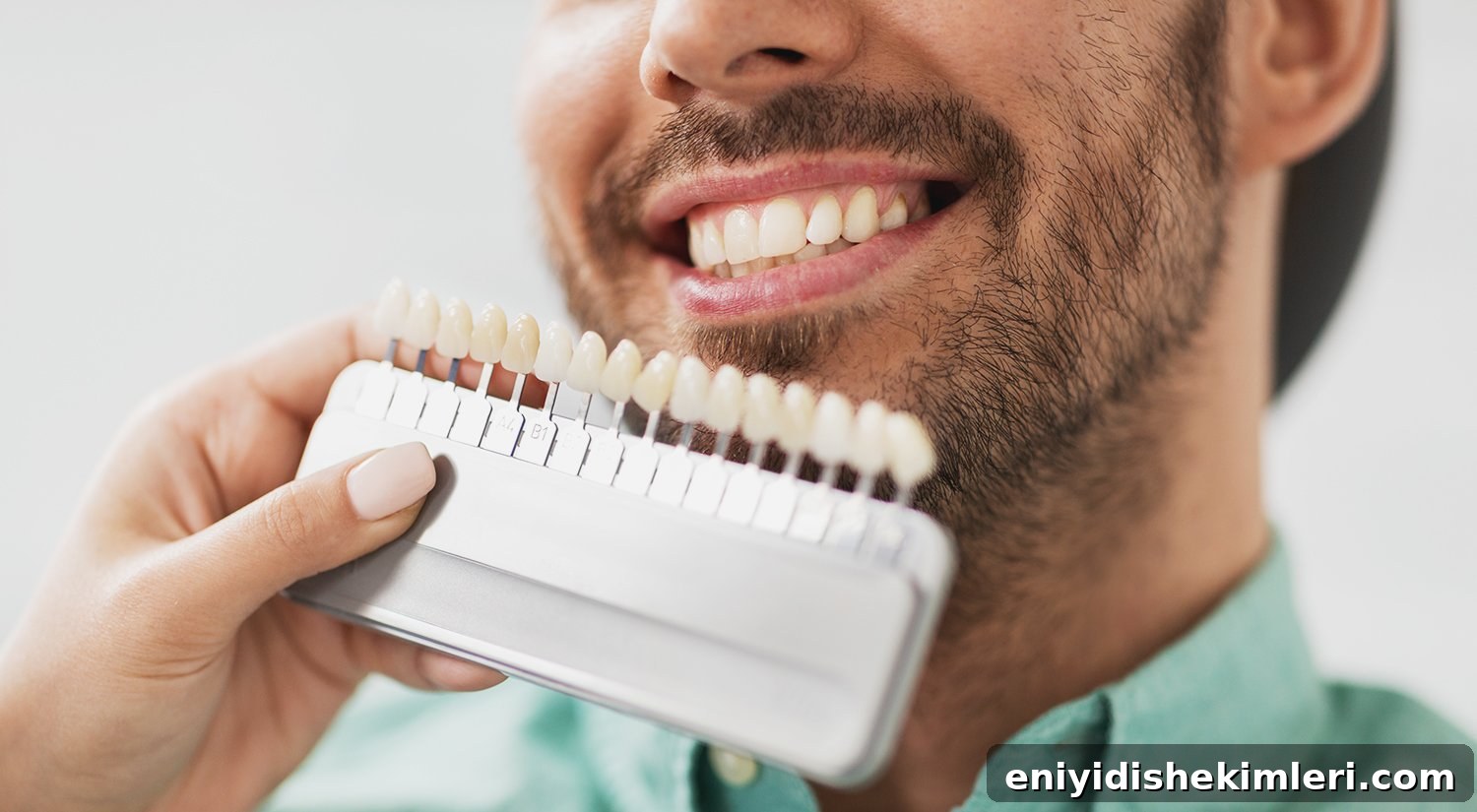
Temporary veneers are provisional restorations used while permanent veneers are fabricated. They allow patients to preview changes in shape and color and help confirm desired aesthetics before final placement.
Veneers procedure: what to expect
The process depends on the veneer type and number of teeth treated. A prosthodontist is not required, but choose a dentist experienced in cosmetic veneers and review patient outcomes before proceeding.
The consultation
During your first visit, discuss your goals, have an exam to assess tooth and gum health, and determine whether veneers are appropriate. Bring reference photos of smiles you like to aid communication about shape, color, and proportions. X-rays and impressions may be taken, and any active dental disease should be treated first.
Preparation and application
Traditional porcelain veneers require removing a thin layer of enamel, taking impressions, and placing temporary veneers while the lab fabricates the final restorations (often 2–4 weeks). Composite veneers may be sculpted and bonded in the office in fewer visits. At placement, the dentist checks fit and shade, prepares the tooth, bonds the veneer with dental cement, and cures the material with a special light. Final adjustments and bite checks complete the appointment.
Most patients receive local anesthesia during preparation, and minor gum soreness or tooth sensitivity afterward is common. Large cases may cause more jaw soreness; over-the-counter pain relief usually helps. A follow-up appointment 2–4 weeks later is common to verify fit and gum health.
How to care for veneers
Veneer longevity depends on excellent oral hygiene and regular dental care. Recommended habits include:
- Use of a quality electric toothbrush
- Appropriate toothpaste for your needs
- Daily flossing
- Regular professional cleanings and checkups
- Addressing teeth-grinding habits with a night guard if indicated
New tooth decay or gum disease can undermine veneers and lead to replacement.
Cost of veneers
Veneer costs vary by region, material, and provider. Typical prices range from $800 to $4,000 per tooth. A full smile makeover covering 6–12 teeth can average around $19,200 but may be as low as $4,800 or as high as $48,000. Most dental insurance plans do not cover cosmetic veneers, so expect out-of-pocket expenses.
Pros and cons
Advantages
- Create a beautiful, uniform smile
- Conceal discoloration, chips, and minor gaps
- Durable and often stain-resistant (especially porcelain)
Disadvantages
- Costly and typically not covered by insurance
- Require permanent alteration of tooth enamel
- Lifespan is limited — generally 10–15 years
- Gum recession or new decay can necessitate replacement
- Veneers cannot be whitened; shade matching must be planned carefully
Alternatives to veneers
Depending on your objectives and oral health, alternatives may include:
- Dental bonding to repair individual teeth with composite resin
- Teeth whitening with professional trays or in-office treatments
- Dental crowns for structurally compromised teeth
- Orthodontic treatment to correct alignment and bite issues
Discuss options with your dentist to determine the best approach for function and aesthetics.
Frequently asked questions
Q
Are veneers worth it?
A
That depends on your goals and budget. Many patients find veneers transformational for special events or long-term confidence when other treatments won’t achieve the desired appearance. Consider the investment and long-term maintenance before deciding.
Q
Can I get veneers in one day?
A
No-prep and some composite options can be placed in a single visit, but these materials may not match porcelain for longevity and stain resistance. Full porcelain cases usually require multiple visits.
Q
Is a veneer the same as a crown?
A
No. Veneers cover only the front surface of a tooth, while crowns encase the entire tooth and are used when more structural support is needed.
Q
How long do veneers last?
A
On average, veneers last about 10–15 years with good care. Some last longer, but replacement is expected eventually.
Q
Can veneers come off?
A
Detachment is uncommon thanks to strong bonding agents, but a veneer can be replaced if it fails.
Q
Can you whiten veneers?
A
No. Veneers do not respond to bleaching. If your natural teeth change shade, new restorations may be required to match.
Key takeaways
Veneers are a versatile cosmetic option for improving tooth color, shape, and minor alignment issues when oral health is stable. Porcelain veneers generally offer the best combination of aesthetics and durability, but all veneer treatments require careful planning, excellent oral hygiene, and realistic expectations about cost and longevity. Consult a trusted dental professional to determine whether veneers—or an alternative treatment—best meet your needs.