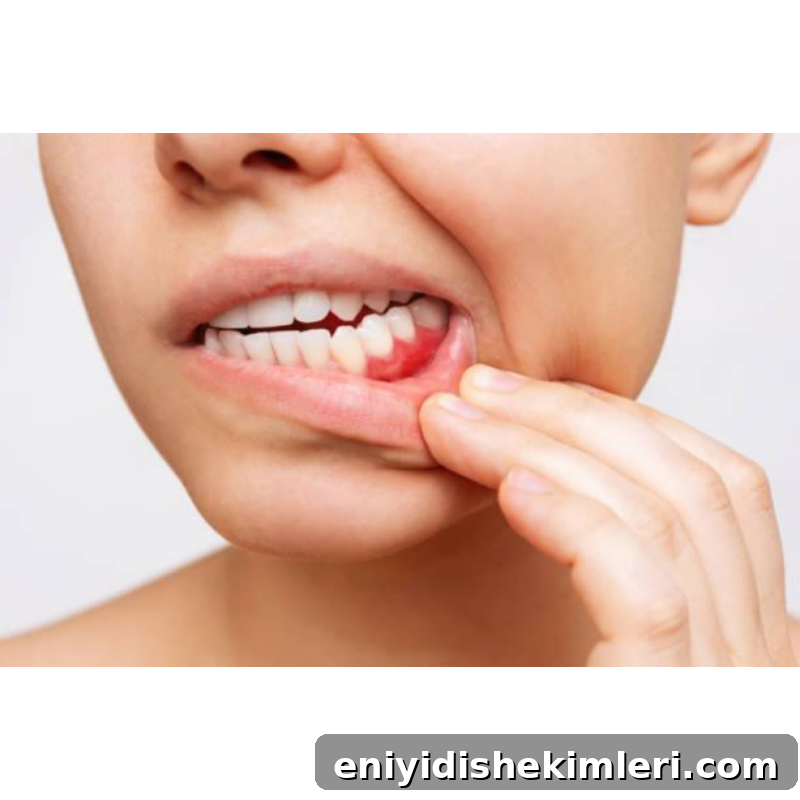
Gum disease doesn’t simply resolve on its own. It must be addressed early to prevent irreversible damage.
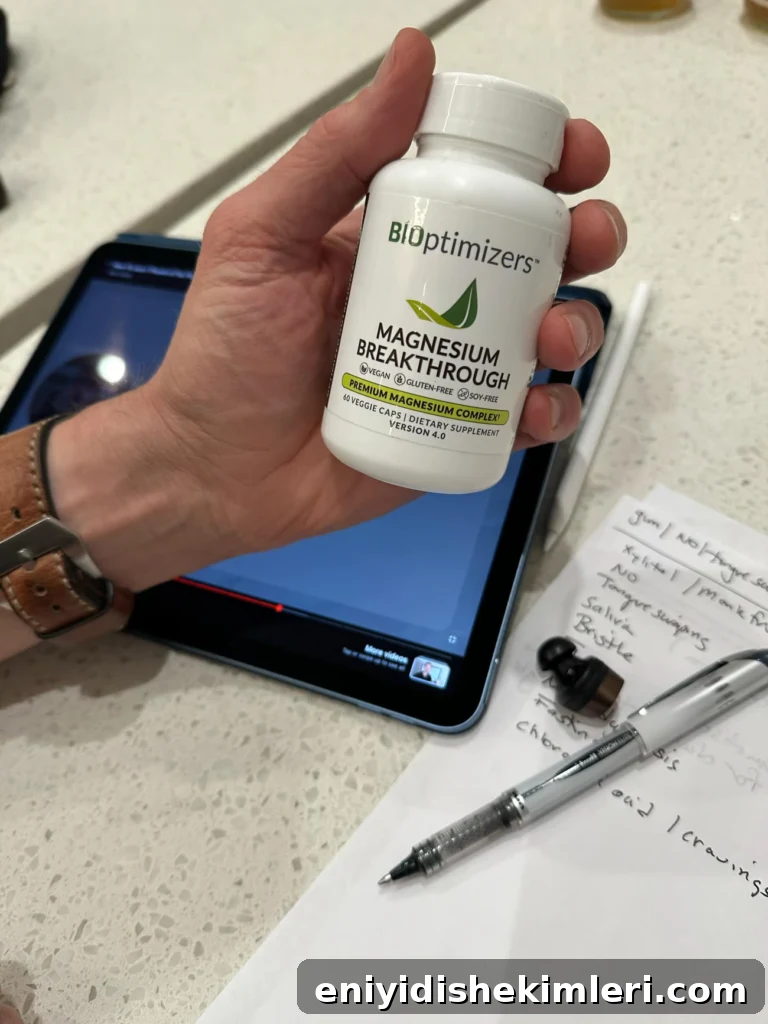
This newsletter is brought to you by our sponsor, BIOptimizers, makers of my favorite magnesium supplement—use code ASKTHEDENTIST for Black Friday discounts and gifts with purchase.
Let’s rethink sugar.
For decades, dentists have warned that sugar causes cavities — and that’s true: sugar in the mouth feeds acid-producing bacteria that lead to decay. But the consequences of excess sugar go far beyond cavities.
The bigger issue is systemic. Recent research in Frontiers in Cellular and Infection Microbiology shows that the gum disease bacterium Porphyromonas gingivalis can interfere with insulin signaling and promote systemic insulin resistance, a major factor in metabolic disorders. The study states that P. gingivalis induces host insulin resistance and systemic inflammation, reinforcing its role in metabolic dysfunction.
Researchers at Tokyo Medical and Dental University reached similar conclusions: P. gingivalis can alter the gut microbiome and contribute to systemic insulin resistance and metabolic problems. Their findings note that P. gingivalis is linked to systemic diseases where insulin resistance is an important pathological basis.
Other studies show that good oral hygiene can help prevent metabolic syndrome — a group of conditions that increase the risk of heart disease, stroke, and diabetes. These studies conclude that maintaining oral health has protective effects against systemic metabolic disorders.
Bleeding gums are not just a local dental issue; they reflect a systemic problem with broad consequences.
Healthy gums form a protective seal that keeps bacteria and toxins out of the bloodstream. When that barrier breaks down, bacteria and inflammatory signals can enter circulation and contribute to problems such as:
- Cardiovascular disease (heart attack, stroke)
- Alzheimer’s disease and dementia
- Diabetes
- Rheumatoid arthritis
- Preterm birth and low birth weight
Prevention is essential. Gum disease won’t simply “get better” on its own; it must be stopped before it causes lasting harm.
How to Break the Cycle
Think of a drop of water wearing away a rock over time — small, consistent actions make a big difference. Instead of attempting drastic one-time changes, adopt habits you can sustain day after day.
- Brush and floss daily — but don’t stress if you miss a day.
If you’re pressed for time, rinse with water or chew xylitol gum to help keep the mouth balanced until you can brush. Consistency over the long term matters more than occasional perfection. - Reduce sugar by adding more protein.
Protein stabilizes blood sugar and reduces cravings. Focus on adding satisfying protein sources like eggs, nuts, or quality protein snacks. Portable options like pasture-raised chicken sticks can be convenient, nutrient-dense choices. - Eat more whole foods.
Leafy greens, nuts, and foods rich in calcium and phosphorus support strong teeth and healthy gums. Concentrate on what you can add to your diet as well as what you limit. - Find a dentist you trust.
Regular checkups are about early detection, not judgment. A good dentist partners with you to reach your health goals without guilt. Working with a clinician who understands functional approaches can make preventive care more effective.
5. Be kind to yourself.
Oral health is a lifelong journey. Small improvements add up. Healing and prevention take time, and every positive step matters.
Your mouth is both a gateway to health and a potential source of disease. Caring for your oral health helps reduce inflammation, supports metabolic balance, and protects your heart and brain as you age. This is about more than a brighter smile — it’s about living longer, staying active for your family, and reducing chronic disease risk.
This week I’m traveling to Miami to join Ben Azadi on his podcast. We’ll discuss how the current health system often defaults to “cut, drug, and bill,” and how dentistry can fall into a “drill, fill, and bill” mindset. We’ll also explore the deeper connection between oral health, systemic inflammation, and metabolic disease.
If there’s a topic you’d like covered on the podcast, reply and let me know. I welcome your suggestions.
Warmly,
Dr. Mark Burhenne

P.S. Travel often disrupts my sleep, but taking Mag Breakthrough with me helps. Use code ASKTHEDENTIST for Black Friday discounts and gifts with purchase.