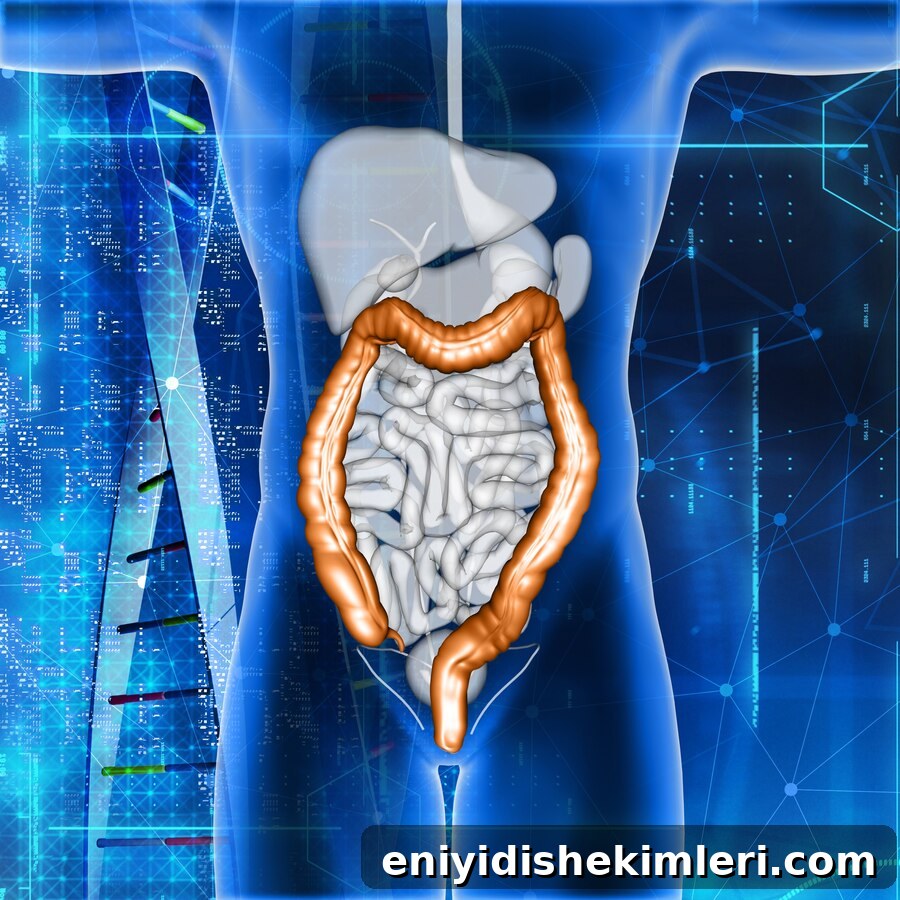
I recently had my routine colonoscopy, which I undergo every five years, and it prompted me to reflect on the growing concern around colorectal cancer (CRC) in younger adults. CRC rates have been increasing among people under traditional screening ages, calling into question whether the long-standing recommendation to begin screening at 50 is still adequate.
Emerging research shows an important connection between oral health and colorectal cancer risk. One study highlights the role of the bacterium Fusobacterium nucleatum (Fn), which appears more frequently in certain colorectal tumors. This association suggests that chronic gum disease and poor oral hygiene may be markers for increased CRC risk. In practical terms, symptoms such as bleeding gums or persistent dental infections should not be dismissed — they could signal a need to consider earlier colorectal screening.
For dental professionals, this link carries real implications: referring younger patients who present with bleeding gums or chronic periodontal disease for medical evaluation — and, when appropriate, earlier colonoscopic screening — could be life-saving. Oral health can reflect systemic health, and a proactive approach may catch problems earlier when they are most treatable.
Dietary patterns are another likely contributor to the rise in CRC among younger adults. Consumption of ultra-processed foods has been associated with poorer overall health and may influence both the gut and oral microbiomes in ways that raise cancer risk. Protecting and nourishing the oral microbiome through a balanced diet, good oral hygiene, and targeted interventions can be a practical step in reducing risk.
What I recommend:
- If you experience bleeding gums, bring the research linking oral health and colorectal cancer to your primary care provider and discuss whether earlier colorectal screening is warranted.
- Don’t ignore persistent gum bleeding or dental infections. Consult a dentist who takes a holistic or functional approach to oral health.
- Support your oral microbiome through diet first. Prioritize whole, minimally processed foods and avoid excessive ultra-processed products that can disrupt microbial balance.
Early detection is critical for colorectal cancer, which is highly treatable when found promptly. Paying attention to oral health and communicating concerns to both dental and medical providers can help ensure appropriate, timely screening.

P.S. If you are concerned about colorectal cancer risk, consider two actions: consult your doctor about having a colonoscopy earlier than age 50 if you have risk factors or oral disease, and focus on nourishing your oral microbiome through diet and appropriate oral-care measures.