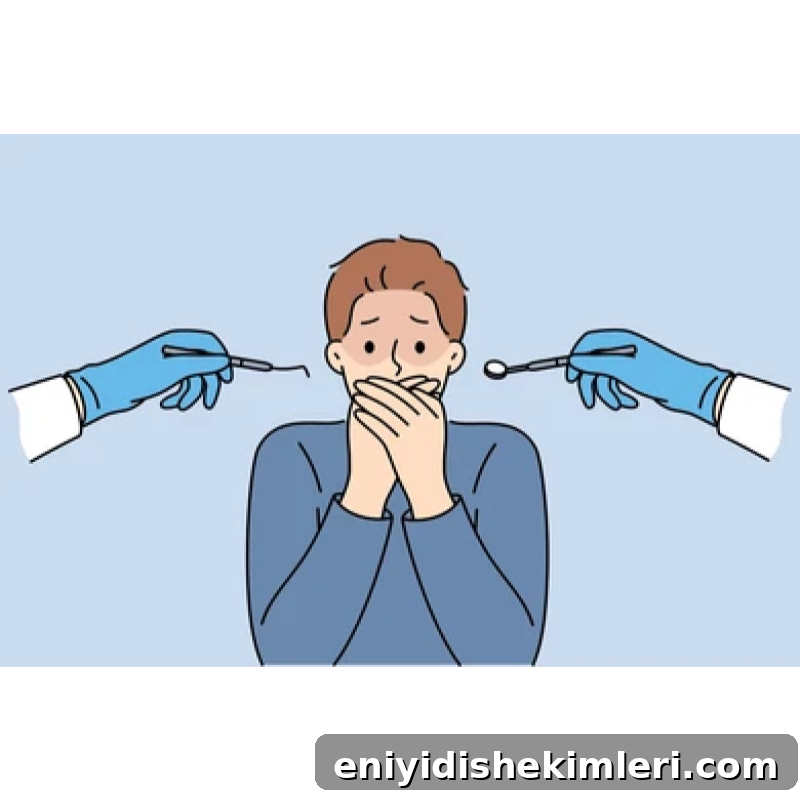
Mental health often mirrors oral health: both are foundational to overall well-being. No matter how disciplined your diet or fitness routine, when mental health is compromised, other areas suffer. The same is true for oral health—without a stable foundation, other health efforts lose effectiveness.
Many readers have told me they struggle to trust dentists, to find “one of the good ones,” or to manage the anxiety that comes with sitting in the dental chair. Resources like the Ask the Dentist YouTube channel, website, Instagram, podcast, and the Functional Dentist Directory have helped make dental care feel more accessible for many. Still, at some point professional dental treatment becomes necessary; DIY care can only go so far.
I often see a damaging cycle: patients avoid dental care because of past trauma or bad experiences, which allows dental problems to worsen over time. As oral issues progress, treatments become more complex, which increases stress and avoidance. Research also links oral bacteria to mental health conditions such as anxiety and depression, which further illustrates the bidirectional relationship between mouth health and mental well-being.
This is not about blaming anyone for mental health struggles. In fact, the less mental health is discussed in dentistry, the more patients suffer. Dentists and hygienists should talk openly about mental health because it’s integral to patient care. If healthcare providers ignore this connection, patients miss out on more complete, compassionate treatment. The study “No Mental Health Without Oral Health” is a strong introduction to this topic, and my blog post on managing dental anxiety offers practical steps for those who need them.
Here are practical tips for anyone who experiences dental anxiety:
1. Nasal Breathing: If you have a blocked nose due to a cold or allergies, consider rescheduling. Mouth breathing during dental work can heighten anxiety. Addressing nasal breathing issues—through treatment or using decongestants when appropriate—can make appointments much easier.
2. Start Slow: Build trust by seeing a hygienist regularly before scheduling more invasive procedures. Developing rapport with a calming, consistent provider reduces stress and creates a safer experience.
3. Empower Yourself: Agree on a simple stop signal—such as raising your hand—to pause treatment immediately. Having that control can relieve panic. In practice, I always tell patients to raise their hand if they need to stop; a blocked airway or gagging sensation can trigger a strong suffocation response, so immediate pauses are important.
4. Elevated Position: Lying completely flat can be uncomfortable for anxious patients. Ask for a slightly elevated position and short appointment segments. Small adjustments in positioning can make a significant difference.
5. Mild Sedation: Sedation can ease anxiety and make treatment tolerable. While it may add cost, mild sedation is often a valuable first step toward reducing fear and eventually weaning off sedatives as confidence grows.
6. Choose Family-Owned, Functionally Minded Practices: Large corporate or HMO-run clinics can feel rushed, which may trigger anxiety or reduce perceived quality. Family-owned practices and clinicians who practice functional dentistry often take extra time, prioritize patient comfort, and offer more personalized care. The Functional Dentist Directory lists clinicians who share these principles.
7. Seek Professional Help for Anxiety: If past trauma or phobias drive your dental fear, consider therapy. Seeking help is a courageous step and a meaningful part of holistic health. Online therapy services can lower the barrier to getting started and may help you build strategies to face dental visits more comfortably.
If you’ve successfully overcome dental anxiety and are willing to share your story, please reply to this email. I’m collecting experiences to publish on askthedentist.com to encourage others who struggle.

P.S. I recommend online therapy because it removes a common barrier: getting started. Completing a short questionnaire can match you with a licensed therapist quickly, from home. This can be a helpful route for those who need support to face dental care and other health challenges.
At Ask the Dentist, transparency and integrity guide what I do. Recommendations I make are based on careful evaluation and a genuine belief in their value. If you have questions about any affiliations or recommendations, feel free to reach out.