
When you’re searching for a good dentist, dental insurance should be part of the decision. Is the provider in-network? What services are covered? How much will you owe out of pocket?
I spent years managing dental offices, handling insurance billing and patient communication, so I can tell you firsthand: dental insurance is complicated. This article will clarify common myths, explain terminology, and outline how coverage typically works so you can make informed choices.
Whether you want to understand your current plan, choose a new one, or compare options, this guide will help you navigate dental insurance with confidence.
The True Cost of Dental Insurance and Common Myths
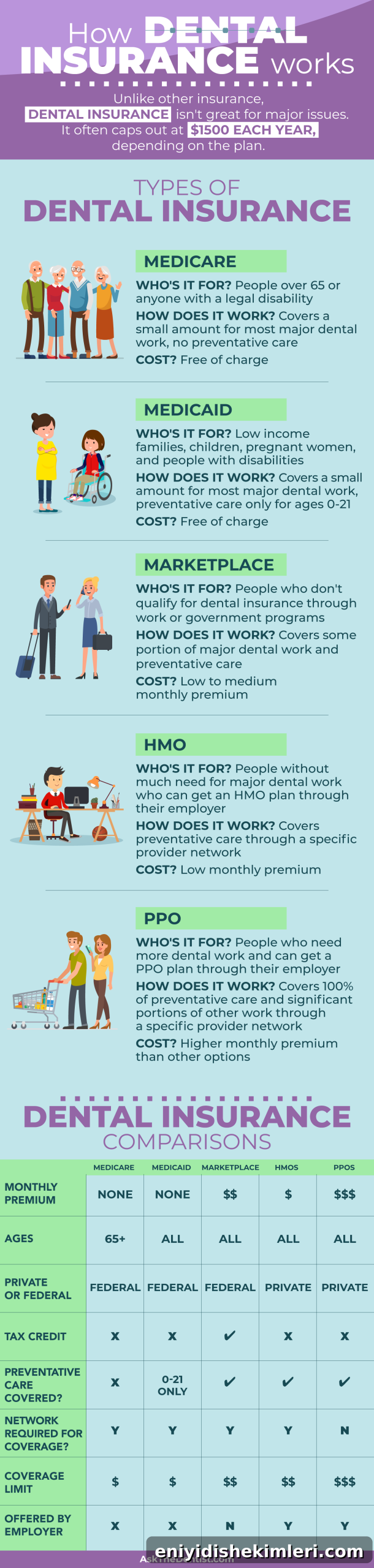
The word “insurance” suggests financial protection for worst-case scenarios, but dental insurance behaves differently than medical, life, or homeowners insurance. Dental plans usually have low annual maximums—far from the large limits common in other types of coverage—so benefits can run out quickly once you need treatment.
Many dental plans cap benefits around $1,500 per year. That means routine care plus a filling or two can use up your benefits long before the year ends.
Most employer PPO plans follow a 100/80/50 structure:
- Preventive procedures (exams and cleanings) are covered at 100%.
- Basic care such as fillings and some root canals are covered at around 80%.
- Major services like crowns are often covered at about 50%.
Plans commonly require a deductible—often around $50—before they pay for basic or major services. Procedure costs also vary widely by region, so a crown in one state can cost significantly more than the same crown elsewhere.
If you go in for routine care and find out you need a root canal and crown, your benefits may be exhausted, leaving you with substantial out-of-pocket expenses. That’s in contrast to many medical plans where you often pay only a percentage after meeting a deductible.
Because of these limits, many people view dental insurance more as a discount plan than true insurance. Additionally, some plans impose waiting periods for major services like orthodontics, meaning you may need to be enrolled for several months before benefits apply.
How Different Types of Dental Coverage Work
The type of dental coverage you choose affects your costs and options. Read plan details carefully before enrolling.
Medicare and Medicaid
Medicaid and Medicare are government-run programs with eligibility rules and limited dental benefits. Medicaid offers more comprehensive dental care for children, but adult coverage varies by state and is often limited to emergency treatment only. This means preventive care for adults may not be covered in many states.
For children, Medicaid’s coverage is generally better, but parents should still review treatment recommendations carefully and seek second opinions when unsure. In some cases, unnecessary or incomplete care has been reported where no out-of-pocket cost existed for the family.
Medicare primarily covers medical procedures and typically does not cover routine dental care—so for many services you will pay 100% out of pocket unless you have supplemental coverage. Medicare and Medicaid function differently from private dental insurance and require careful consideration of provider networks.
HMOs (Health Maintenance Organizations)
Dental HMOs are generally lower-cost plans that require you to use in-network dentists. Dentists participating in HMOs often receive a fixed monthly payment per enrolled patient, which can lead to limited compensation for routine visits.
Because reimbursements for preventive visits are low, some providers may recommend more extensive procedures to cover costs. HMO plans may cover very little for major restorative work, leaving patients with significant expenses if treatment is required.
HMOs are a reasonable choice if you expect only preventive care and maintain excellent oral health, but they can be problematic if you need restorative treatment.
PPO (Preferred Provider Organization)
PPO plans cost more in premiums but typically offer greater benefits for restorative care. PPOs have larger networks and more generous coverage percentages for major procedures—often covering around 50% of crowns, for example—making them more cost-effective when you need extensive treatment.
PPOs also tend to pay dentists more fairly, which can reduce the risk of unnecessary upselling. If your employer offers a PPO, it’s often worth the higher monthly cost, especially if you anticipate more than routine cleanings.
Marketplace Plans (Obamacare)
Marketplace dental plans are purchased month-to-month and generally require you to use in-network providers, with no coverage for out-of-network dentists. Plan availability and network size vary by location, so rural areas may have fewer options than large urban centers.
These plans are often offered by familiar insurers, but dental networks can be smaller than their medical counterparts. Always check the provider list and plan exclusions before enrollment.
Supplemental Dental Coverage
If both spouses have dental benefits, one plan can act as secondary coverage. Secondary plans can reduce out-of-pocket costs significantly, but benefits are difficult to predict in advance. It’s wise to budget assuming the secondary plan pays little, and consider any coverage from it as a helpful surprise if it contributes more.
4 Tips for More Affordable Dental Care
1. Ask your dental office about Bento Dental
Bento Dental is a modern alternative to traditional insurance with a large network of participating dentists. Dentists can join at no cost, and Bento offers guaranteed pricing, procedure flags that mismatch patient records, and upfront cost estimates in the app so you know expenses before your visit. Employers can also purchase Bento plans for employees at low monthly rates.
2. Customize your plan to remove unneeded coverages
Dropping coverages you won’t use can lower monthly premiums. Review options carefully and tailor plans to your needs to save money.
3. Use a spouse’s plan as secondary insurance
Secondary coverage can significantly reduce your final costs if you need treatment. It’s hard to predict exact benefits, but supplemental plans can sometimes eliminate out-of-pocket expenses for major procedures.
4. Use HSA or FSA accounts
Health Savings Accounts (HSA) and Flexible Spending Accounts (FSA) let you set aside pre-tax dollars for healthcare expenses. Contributing each paycheck reduces taxable income and builds a fund you can use for dental treatments. For example, contributing $100/month to an HSA gives you $1,200 for the year while spreading the cost across paychecks.
Be wary of dental “discount card” scams that charge fees but don’t provide real value. If an office has never heard of the card, it likely won’t help you save money.
Which Plans Are Best?
The right dental plan depends on your oral health, likely treatment needs, and financial situation. Prevention remains the best strategy to avoid expensive procedures—choose nutrition and habits that reduce cavity risk whenever possible.
PPOs tend to be the most comprehensive and cost-effective when you need restorative care. HMOs are low-cost but provide limited benefits. Government programs and marketplace plans can be useful when other options are unavailable, but they often have narrow coverage.
Delta Dental is the largest dental insurer in the U.S., offering broad networks and competitive in-network pricing. Large insurers like UnitedHealth, Humana, Cigna, and Ameritas also offer reasonable PPO pricing. Regardless of company, remember most plans have small annual maximums (commonly $750–$2,000).
When facing major work, expect significant out-of-pocket expenses even after insurance pays its share. In those situations, HSAs or FSAs are practical ways to save for treatment. Bento Dental is another alternative that provides network pricing without a monthly premium in many cases.
Dental Insurance for Seniors
Senior dental coverage is often inadequate in public programs, yet oral health becomes more important with age. Gum disease increases risk for systemic conditions like diabetes and heart disease, so preventive care is vital. Seniors should consider supplemental plans, dedicated savings, or Bento Dental to cover preventive services and potential treatments.
Should You Get Dental Insurance?
Having some form of dental coverage is beneficial for most people. In-network patients typically save an average of 30% compared with paying out of pocket. If you can’t or don’t want to pay monthly premiums, alternatives like Bento Dental or disciplined saving in an HSA/FSA can provide access to network pricing without recurring costs.
Dental plans are best viewed as discount mechanisms for preventive care; conventional dental insurance often covers only a portion of expensive treatments. Who benefits most from dental insurance?
- Employees with low-cost employer PPO plans
- Children covered by public programs who need routine care
- Those with access to HMO plans who also save separately for treatment
- People planning significant dental work in the near term
Who might fare better with alternatives like Bento Dental or savings?
- Self-employed people and those able to save for care
- People who follow preventive nutrition and hygiene
- Anyone who only needs routine biannual cleanings
- Employees without employer-sponsored dental benefits
FAQs on Dental Insurance
Q
Which is the best dental insurance to choose?
A
The best plan depends on your diet, current oral health, and finances. Consider likely treatment needs and compare plan details, networks, deductibles, and annual maximums before deciding.
Q
Do I need dental insurance?
A
If you follow an oral-health-supporting diet, maintain strong prevention habits, and can save for unexpected procedures, alternatives to traditional insurance—such as Bento Dental or an HSA/FSA—may work well. Otherwise, having coverage is usually a good idea.
Q
Will I know my out-of-pocket costs before treatment?
A
Some plans allow pre-authorization, but approvals can change and processing may cause delays. The best approach is to read your policy closely and consult your dental office’s insurance coordinator, who can interpret plan details and help estimate costs.
Key Takeaways
Dental insurance is imperfect and often functions more like a discount program. It can still provide substantial savings for preventive care and some restorative treatments, but most plans have low annual maximums that leave patients responsible for sizable costs when major work is needed.
Educate yourself about your plan’s limits, prioritize prevention, and consider alternatives such as Bento Dental, HSAs, or FSAs to cover gaps. If you have questions about dental insurance, you can email [email protected].
Learn More:No dental insurance? Here’s what to do.