Q
Is it appropriate for a dentist to do routine bitewing x-rays on kids solely based on their age or stage of dental development? I just did a ton of Googling and I’m beginning to conclude the recommendation was out of line. While at the dentist yesterday I delayed, saying I wanted to learn more. What do you think, Dr. B?
A
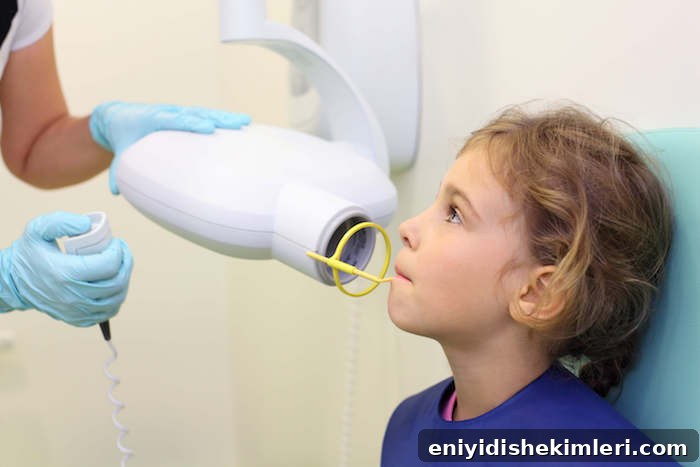
When it comes to x-rays, follow the ALARA principle: “As Low As Reasonably Achievable.” Reduce your child’s exposure to x-rays whenever possible, but recognize there are times when x-rays are necessary and beneficial. The decision should balance potential risks and benefits for each situation.
What Are the Concerns With Dental X-Rays for Children?
- Children are more sensitive to radiation than adults, so the cancer risk per unit of x-radiation is higher for children.
- Cancer is not caused by a single x-ray but by cumulative lifetime exposure. The younger a child is at the time of exposure, the longer there is potential for harmful effects to develop.
- Some equipment is configured for adults, which can deliver excessive exposure to smaller children. Modern x-ray units should be used because they include pediatric settings to limit dosage appropriately.
My Personal Story: Pros and Cons of X-Rays
When I broke my ribs snowboarding, the doctor suggested a chest x-ray to confirm the diagnosis. Since the treatment for broken ribs is generally rest and time, confirming the diagnosis wouldn’t change management, so I declined the x-ray. In that case, the x-ray offered little benefit compared with the exposure.
By contrast, a friend who is a cancer survivor developed a severe cough and later broke ribs. In her case, an x-ray was clearly warranted because broken ribs in someone with a cancer history could signal metastasis. The x-ray confirmed the fractures were from coughing and not cancer, which was crucial for her care. That example shows when the benefit of an x-ray outweighs the risk.
X-rays are useful diagnostic tools, but they should not be performed automatically for every exam or given to children according to a rigid office policy or formula.
I don’t take x-rays in my pediatric patients unless I see signs of:
- Decay
- Poor overall dental health
- Crowding or alignment issues
- Possible cavities
I avoid routine x-rays for children unless clinical signs indicate they are needed. Making that judgment requires a careful and thorough clinical exam.
How to Decide
Ensure the dentist is the one recommending an x-ray, not staff following a checklist. Many offices use blanket schedules—every six months or every year—that do not align with ALARA principles.
Ask the dentist to explain the reasoning behind the recommendation. Useful questions include:
- “Is there another way to diagnose this without an x-ray?”
- “What are the consequences if we don’t take this x-ray?”
A good reason to take an x-ray is suspicion of a hidden cavity based on symptoms or clinical signs. In that case, an x-ray can prevent more serious harm, such as progression of decay and loss of the tooth.
Safety Tips
Prefer digital x-rays, which use less radiation than traditional film. If film must be used, ask for E-speed film rather than D-speed, because E-speed is more sensitive and requires less exposure.
Ask whether the practice has adjunctive tools such as a cavity detector, which uses light wavelengths to detect decay without radiation. While cavity detectors can be less reliable and dependent on operator skill, they can be useful alternatives in some cases.
The key point: there must be a clear, patient-specific reason to take an x-ray.
Mark Burhenne DDS
Learn More:When Should My Child First See the Dentist?