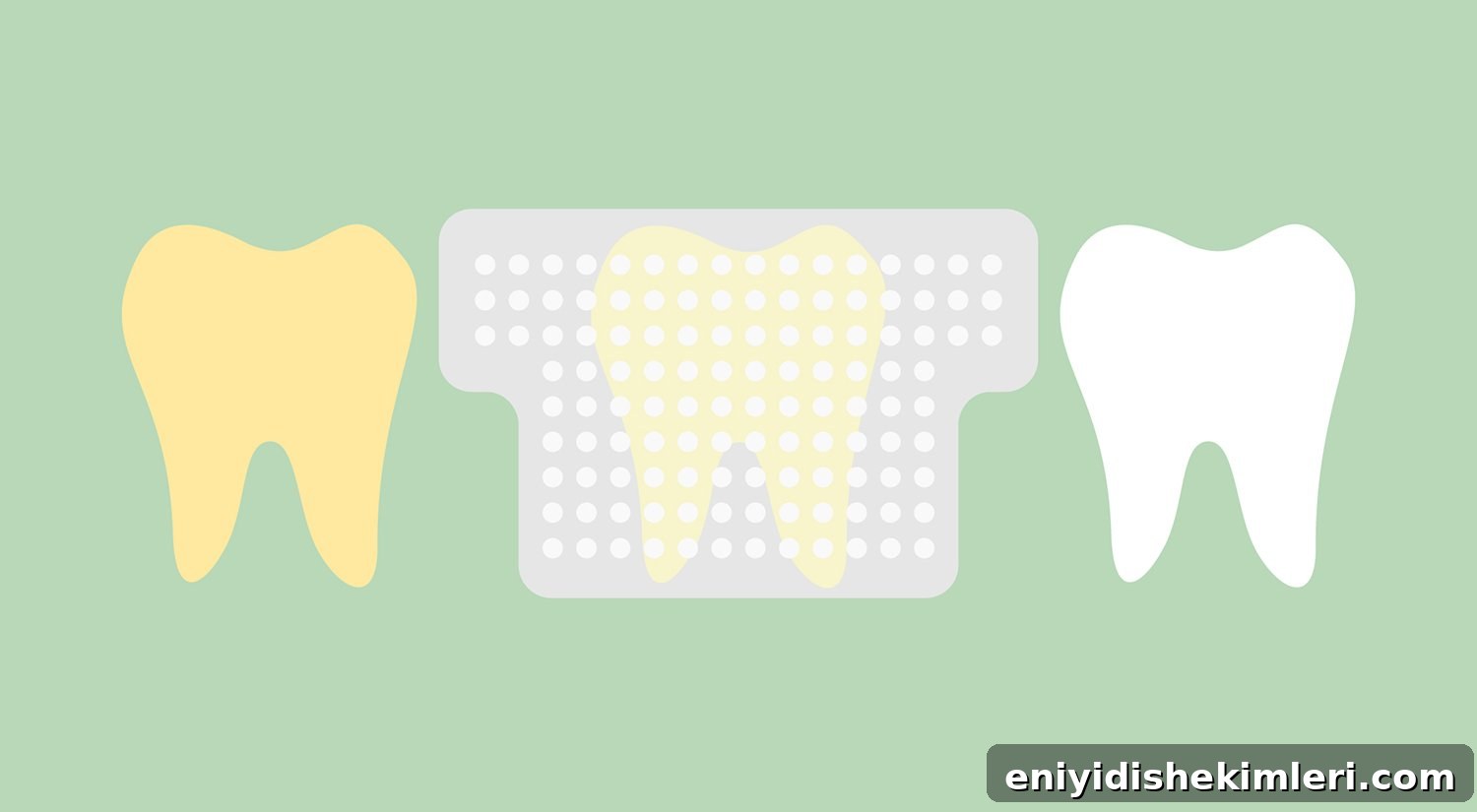
Crest Whitestrips are a popular, affordable at-home option for brighter teeth. They are convenient and widely used, but it’s important to understand how they work and what risks may be involved.
So, do Crest Whitestrips really work, and are they safe? The short answer: yes, whitening strips can and do lighten teeth, but they carry potential side effects if misused or overused.
Crest Whitestrips and similar products use peroxide-based gels to penetrate enamel and change tooth color. Before trying them, consider the ingredients, how they act on teeth and gums, and safer alternatives that may suit you better.
How Crest White Strips Work
Crest Whitestrips deliver a thin gel layer containing hydrogen peroxide or carbamide peroxide to the tooth surface. The strip’s gel sits against the enamel for a set number of minutes, allowing the peroxide to oxidize stains and lighten tooth color. These at-home strips use a lower peroxide concentration than in-office professional bleaching but operate on the same chemical principle.
The strips themselves are made from a flexible, enamel-safe plastic (polyethylene) coated with adhesive and whitening gel so they can conform to the teeth.
Ingredients in Crest Whitestrips
Typical ingredients found in Crest Whitestrips include:
- Water
- Glycerin
- Hydrogen peroxide
- Polyvinylpyrrolidone (PVP)
- Carbomer 956
- Sodium hydroxide
- Sodium saccharin
- PEG-8
- Acrylates copolymer
- Pyrophosphate (in some Stain Shield formulations)
- Polyethylene (the textured strip material)
Hydrogen Peroxide
Hydrogen peroxide is the active whitening agent. Regulatory bodies in some regions classify it as potentially harmful when used in the mouth because it can disrupt the oral microbiome and irritate soft tissues. Peroxide penetrates enamel to act on tooth color and can cause sensitivity or gum irritation, especially if it contacts porous or inflamed gum tissue.
PVP & Carbomer
Polyvinylpyrrolidone (PVP) and carbomer are used to help the gel adhere to the teeth. Both are generally considered safe and do not bioaccumulate, but they can cause local irritation in sensitive individuals or if used excessively.
Sodium Hydroxide
Sodium hydroxide is included as a pH-adjusting agent. It is a caustic substance in concentrated forms and can be irritating to tissues. Overuse of alkaline or bleaching agents may increase tooth sensitivity by affecting enamel surface mineralization.
Sodium Saccharin
Sodium saccharin is a sweetener used to improve flavor. Scientific evidence does not support serious health concerns for saccharin at typical exposure levels, though some people prefer alternative sweeteners like xylitol for dental benefits.
PEG-8
PEG-8 is a carrier solvent that can cause contact reactions in a minority of sensitive users. Concerns about PEG contamination have been raised, though formulations are generally monitored for impurities.
Acrylates Copolymer
Acrylates copolymer helps hold strips together and stabilize the gel. It is considered relatively safe but can sometimes contain residuals that irritate the mouth in sensitive individuals.
Pyrophosphate
Pyrophosphate is added to some “tartar protection” formulas. Research has not consistently shown pyrophosphate to be effective at preventing plaque or calculus buildup when compared to other approaches.
Are Crest Whitestrips safe?
Used occasionally and according to instructions, Crest Whitestrips are generally safe for most people. The risk rises when strips are applied too frequently, left on too long, or allowed to contact gums and soft tissues. Overuse can cause tooth sensitivity, gum irritation, or uneven whitening.
The American Dental Association has granted a seal of acceptance to certain Crest 3D White Whitestrips products for at-home whitening, indicating they meet criteria for safety and effectiveness as cosmetic products. Still, devices or kits that include UV or strong light sources can increase sensitivity and have not been shown to meaningfully extend whitening benefits beyond a short period; they may also increase the risk of pulp irritation.
A cosmetic issue that sometimes arises is uneven adherence of strips, which can leave patchy or grayish spots where the strip didn’t fully contact the tooth surface.
How to Use Crest Whitestrips [Step-by-Step Directions]
Follow these steps to reduce the risk of sensitivity and irritation:
- Do not brush your teeth immediately before applying strips.
- Remove one upper and one lower strip from their packets.
- Trim each strip to match the height of your teeth if necessary.
- Peel off the protective backing to expose the adhesive gel.
- Place each strip onto the teeth, avoiding contact with gums where possible.
- Keep the strips on for the time specified on the package (often under 30 minutes; many daily-use formulas are shorter).
- Remove the strips and dispose of them.
- Rinse your mouth with water or oil if desired.
- Avoid brushing for at least two hours after use to reduce sensitivity risk.
- Adhere to the recommended frequency and total days of treatment on the box; do not exceed those instructions.
Stronger at-home options from Crest are formulated to remain on the teeth for longer (for example, 30 minutes) and may show faster results, but these also carry a higher risk of sensitivity. Never wear whitening strips overnight or while sleeping.
Crest states whitening strips can be used up to twice daily for the recommended treatment duration. Many users see noticeable improvement within a few days, with fuller results after consistent use for a few weeks depending on the product.
Crest Whitestrips Before & After
Photos and testimonials from users often show meaningful whitening results, though outcomes vary by the initial tooth color, cause of discoloration, and how consistently the product is used.
Will Crest Whitestrips work for you?
Whitening success depends on whether discoloration is extrinsic (surface staining from foods, drinks, or tobacco) or intrinsic (deeper staining from aging, trauma, medications, or dentin changes). Peroxide-based products are most effective on yellowing stains and can lighten dentin to some degree, but gray-toned teeth often respond less predictably.
Whitening strips do not affect dental restorations such as veneers, crowns, or bonding. Avoid using strips immediately before or after restorative dental procedures.
The Best Alternatives to Crest Whitestrips
If you prefer to avoid peroxide-based strips or want gentler options, consider alternatives such as:
- Turmeric-based natural pastes (used cautiously)
- Hydroxyapatite toothpaste to remineralize and smooth enamel
- Whitening toothpastes with safe, mild abrasives (short-term use)
- Activated charcoal pastes used sparingly
- An oscillating electric toothbrush for better stain removal
- Non-peroxide whitening strips from brands that use alternative chemistry
- Custom whitening trays and supervised treatments from a dentist
Hydroxyapatite toothpaste is an effective non-bleaching approach: it helps fill micro-cracks and smooth enamel, which reduces stain retention and can gradually brighten the smile without peroxide-related sensitivity or microbiome disruption.
How to Prevent Teeth Stains
Long-term tooth color maintenance is best achieved through prevention. To reduce staining and keep teeth looking brighter:
- Maintain good oral hygiene: brush, floss, and clean the tongue regularly.
- Drink water during the day and after staining foods or drinks.
- Limit or rinse after beverages that stain, like red wine, coffee, or tea.
- Attend regular dental cleanings and checkups.
- Address dry mouth, which increases staining risk (strategies can include mouth tape or retainers at night if appropriate).
- Treat teeth grinding and use protective mouthguards for sports.
Key Takeaways
Crest Whitestrips are an accessible, cost-effective cosmetic whitening option that can brighten teeth when used correctly. They contain peroxide and other ingredients that can cause sensitivity or irritation in some users, so follow package instructions carefully and avoid overuse.
Trim strips to fit, avoid gum contact, and do not combine with aggressive brushing immediately before or after application. Be cautious with UV or light-accelerated systems, which may increase sensitivity without providing lasting benefit.
For those seeking safer, gradual whitening, consider non-bleaching approaches like hydroxyapatite toothpaste, improved oral hygiene, and professional guidance from a dentist.
References
- Touyz, L. Z. (2011). Saccharin deemed “not hazardous” in United States and abroad. Current Oncology, 18(5), 213.
- Wilbur, S. B. (2006). Toxicological Profile for 1,4-dioxane. US Department of Health and Human Services.
- Grossman, E., et al. (2002). Triclosan/pyrophosphate dentifrice: dental plaque and gingivitis effects. The Journal of Clinical Dentistry, 13(4), 149.
- Fons-Badal, C., et al. (2019). Pyrophosphate-based mouth rinse trial. Medicina Oral, Patologia Oral y Cirugia Bucal, 24(5), e621.
- He, L. B., et al. (2012). Effects of light on bleaching and tooth sensitivity: systematic review. Journal of Dentistry, 40(8), 644-653.
- Kugel, G., et al. (2006). Clinical evaluation of chemical and light-activated tooth whitening systems. Compendium of Continuing Education in Dentistry, 27(1), 54-62.
- Buchalla, W., & Attin, T. (2007). External bleaching therapy with activation by heat, light or laser—a systematic review. Dental Materials, 23(5), 586-596.