
As a dentist, I get asked about sugar all the time. Interestingly, sugar itself is not the direct cause of cavities — acid is. When oral bacteria consume fermentable carbohydrates, they produce acid as a waste product. That acid demineralizes tooth enamel and leads to decay. Surprisingly, foods like crackers and white bread, which break down easily in the mouth, often promote cavities more than candy does.
As someone who loves sweets, I’ve often wondered: how harmful are sugary foods really, and how much is acceptable? Sugar affects not only oral health but overall health as well. Emerging research links excessive sugar consumption to higher risks of conditions such as heart disease, type 2 diabetes, Alzheimer’s disease, and certain cancers.
Below I answer common questions about sugar and share practical strategies to satisfy a sweet tooth while protecting your teeth and general health. If anything remains unclear, leave a comment and I’ll respond.
How does sugar cause cavities?
It’s not sugar itself but the acid produced by bacteria after they metabolize sugar and other fermentable carbs that damages teeth. Enamel can remineralize, but repeated acid attacks tip the balance toward demineralization and decay. Explaining this to children as bacteria “pooping” in their mouth often helps them remember why brushing matters.
Is sugar the only cause of cavities?
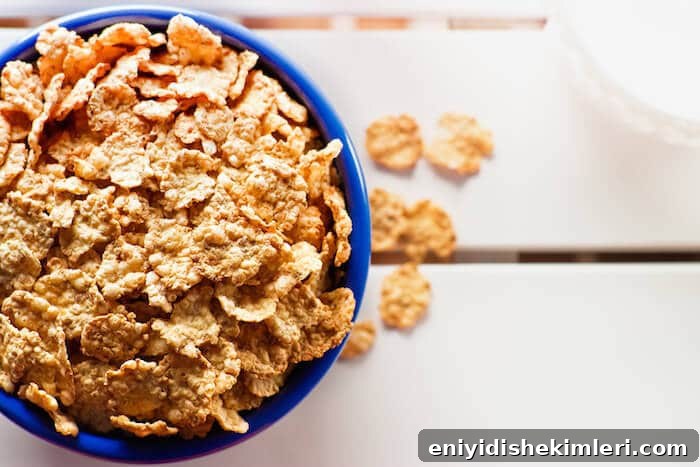
No. Fermentable carbohydrates — foods that break down quickly in the mouth — feed oral bacteria and promote prolonged acid production. Snack crackers like Goldfish and saltines are among the most cavity-promoting supermarket items because they get stuck in teeth and supply bacteria with readily accessible sugars.
How can I minimize the effect of sugar?
Optimize remineralization. Teeth constantly lose and regain minerals. Promoting remineralization helps prevent decay. Maintain a healthy oral pH and good saliva flow. Fluoride, adequate vitamin D, and even certain foods like dark chocolate have been shown to support remineralization.
Limit fermentable grains. A grain-free approach reduces exposure to easily fermentable carbs that feed cavity-causing bacteria.
Consider orthodontic care. Straighter teeth reduce places where sticky foods accumulate, lowering cavity risk.
Reserve sweets for mealtimes. Snacking or sipping sweetened drinks throughout the day gives bacteria a steady food supply and extends acid attack. Eating dessert with a meal is less harmful than continuous grazing.
Have cheese for dessert. Cheese, vegetables, and water help neutralize acids after meals and support a healthier oral pH.
Chew xylitol gum. Sugar-free gum containing xylitol can reduce cavity-causing bacteria and stimulate saliva, which buffers acids. Note: xylitol is toxic to dogs, and excessive gum chewing can trigger jaw problems in some people.
Rinse after sticky foods. Vigorous swishing with water after eating dried fruit or crackers helps dislodge debris that would otherwise feed bacteria.
Help children develop taste preferences. Avoid adding sugar to baby foods and reduce exposure to sweet snacks to encourage appreciation for naturally sweet vegetables and fruits.
Eat sweets rather than drinking them. Caloric drinks like sodas and flavored coffees can supply as much sugar as dessert without the same feeling of satiety. Whole fruit is preferable to fruit juices, which spike blood sugar more and are less filling.
Check ingredient lists. If sugar or a sugar synonym appears among the first five ingredients, consider avoiding that product, especially if you consume it frequently.
Limit frequency. It’s better for oral health to consume sweets in a single sitting than to spread them across the day.
Wait to brush. After a sugary meal, wait 30–60 minutes before brushing to allow saliva to neutralize acids, reducing the risk of brushing away softened enamel.
Wean yourself gradually. Reducing sugar intake over time retrains taste buds and brain responses. Excessive sugar can produce addiction-like cravings and negative effects on mood and energy.
Can I spread out my sugar consumption to reduce tooth decay?
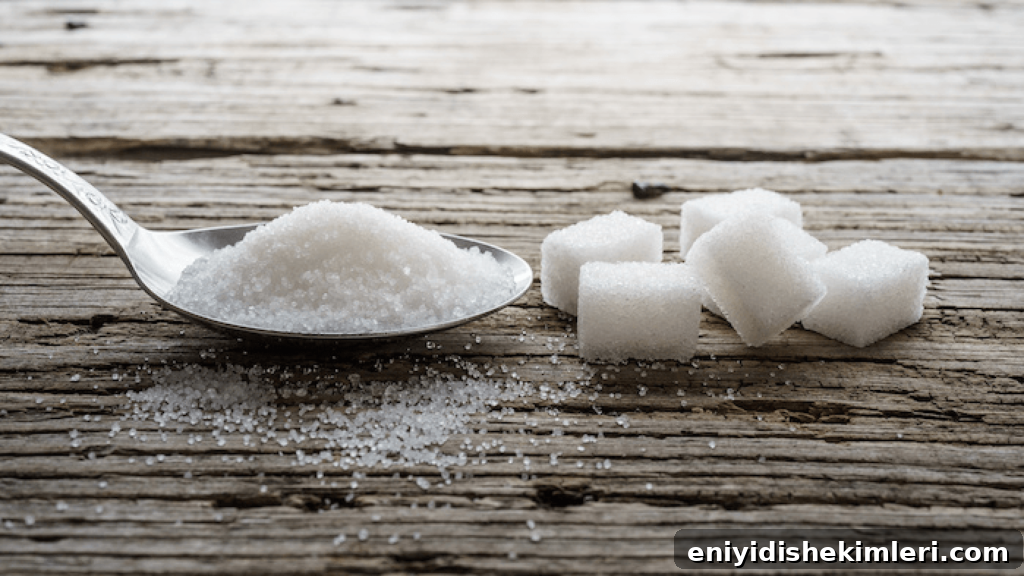
No — frequency matters more than quantity. Consuming a large amount of candy in a short period is less harmful to teeth than spacing small amounts over many hours, since repeated exposures extend acid attacks.
How much sugar can I have?
Studies suggest keeping sugar below 40 grams per day to reduce cavity risk, but aiming for under 20 grams is wiser. Current dietary guidance recommends added sugars be no more than 5% of total calories — roughly 6 to 9 teaspoons per day.
Why do we like sugar so much?
For most of human history, sugar was scarce and provided useful energy from fruits and berries. Our preference for sweetness evolved for survival, but modern processed-food abundance makes it easy to overconsume.
What does excess sugar do to our health?
High sugar intake disrupts metabolism in multiple ways:
- It raises insulin levels and can increase hunger and abdominal fat storage.
- Repeated insulin surges and metabolic stress are linked to neurodegeneration and addictive brain chemistry.
- Chronic overconsumption can lead to insulin resistance, prediabetes, and type 2 diabetes.
- Excess sugar burdens the liver, contributing to nonalcoholic fatty liver disease.
- It can lower HDL (“good”) cholesterol and raise triglycerides, increasing cardiovascular risk.
- Systemic inflammation from metabolic strain raises risks for obesity and other chronic diseases.
Are certain sugars better than others?
Biochemically, sucrose is split into glucose and fructose quickly after ingestion, so the source matters less than the total amount consumed. Natural sweeteners often bring additional nutrients, but that doesn’t make them harmless.

How about artificial sweeteners like Sweet’N Low, Splenda and Equal?
Studies suggest artificial sweeteners may disrupt glucose regulation by altering gut bacteria and can be associated with glucose intolerance. Animal and some human studies found changes in gut microbiota and metabolic responses after exposure to certain non-nutritive sweeteners. Some evidence also points to strong preference or addictive-like responses to intensely sweet substances.
If you use artificial sweeteners and are concerned, consider supporting gut health with probiotics and reducing reliance on these products. For many people, gradually reducing added sugar and retraining the palate is a safer approach than replacing sugar with artificial sweeteners.
Common artificial sweeteners to be cautious about
Splenda
- Sucralose
- Trichlorogalactosucrose
Sweet’N Low
- Saccharin
Equal
- Aspartame
- Acesulfame
Is natural sugar better than processed sugar?
“Natural” sugar is only marginally different. While fruit, honey, and maple syrup carry small amounts of vitamins, minerals, or antioxidants, they still supply sugars that the body metabolizes. Rely on whole foods for nutrients rather than treating natural sweeteners as healthy by default.
What are different names for sugar?
Sugar appears under many names on ingredient lists: sucrose, fructose, glucose, dextrose, corn syrup, high-fructose corn syrup, evaporated cane juice, molasses, honey, maple syrup, agave, and many others. Recognizing synonyms helps you spot added sugars and make informed choices.
Other sugar synonyms to watch for
- Barley malt syrup
- Brown rice syrup
- Crystalline fructose
- Demerara sugar
- Fruit juice concentrate
- Maltodextrin
- Sorbitol
- Sucrose
- Turbinado sugar
Which sweeteners are safest?
Some alternatives show promise:
Xylitol: A sugar alcohol with a low glycemic index that is not readily fermented by oral bacteria, xylitol can reduce cavity-causing bacteria and support remineralization. Keep it away from dogs.
Stevia: A plant-derived glycoside considered safe and used for many years; it provides sweetness without calories and without apparent oral harm.
Monk fruit (lo han guo): A natural, intensely sweet extract classified as generally recognized as safe and often used as a zero-calorie sweetener.
Erythritol: A sugar alcohol largely excreted unchanged in urine, erythritol provides sweetness without promoting tooth decay and with minimal absorption.
How can I bake with less sugar?
Substitute part of the white sugar in recipes with applesauce, mashed ripe banana, pureed dates, raisins, or prunes to add natural sweetness, moisture, and fiber. Small reductions in sugar often produce satisfactory results, and flavor can be boosted with spices like cinnamon or vanilla.
Mark Burhenne DDS