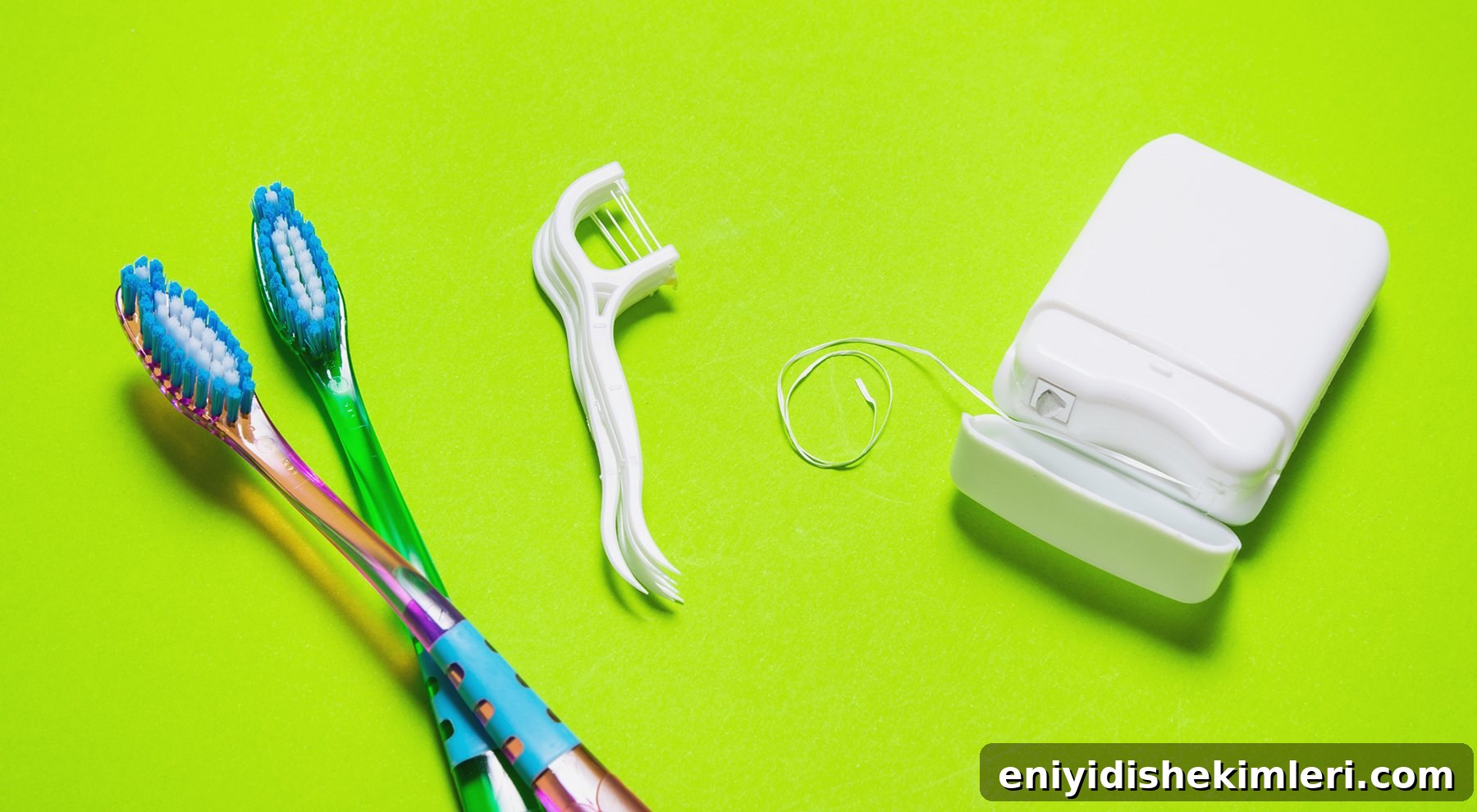
Flossing and thorough tooth brushing are essential parts of a healthy oral care routine. The order you do them in likely won’t dramatically change your oral health, but flossing first can give you a slight advantage in removing plaque.
Should you floss before or after brushing? It’s best to floss before brushing. Flossing first helps remove plaque and debris from along and just under the gum line so it doesn’t harden into tartar.
Once tartar forms, only a dental professional can remove it.
Flossing, especially when done before brushing, can:
- Dislodge food trapped between teeth to reduce plaque buildup
- Help prevent gingivitis, the early stage of periodontal disease
- Reduce inflammation in the gums
- Help prevent or reduce tooth decay
- Reduce bad breath
- Allow fluoride or hydroxyapatite toothpaste to make better contact with the enamel
The American Dental Association recommends flossing once a day but does not specify whether you should brush or floss first.
IF YOU PURCHASE A PRODUCT USING A LINK BELOW, WE MAY RECEIVE A SMALL COMMISSION AT NO ADDITIONAL COST TO YOU.
The Ideal Flossing Habit
Floss at least once a day, ideally before brushing. Flossing at night removes food and plaque that accumulate during the day, helping protect your gums and the spaces between your teeth.
To floss correctly:
- Use 12–18 inches of floss.
- Wrap the ends around your index fingers, leaving 4–6 inches of floss between them.
- Gently slide the floss between your teeth, going as high as it will comfortably go; in a healthy mouth the floss will reach beneath the gum line.
- Form a C-shape around one tooth.
- Move the floss up and down 5–10 times along that tooth surface.
- Repeat the same motion on the adjacent tooth.
- Continue for every space between your teeth.
A small amount of bleeding can occur when you begin flossing regularly. If bleeding persists after a week or two of daily flossing, contact your dentist, as it may indicate gum disease.
Forming a new habit can be challenging, but research suggests a consistent routine can help you establish daily flossing within a few weeks.
Why is flossing important?
Many people brush twice daily but skip flossing, which leaves the areas between teeth vulnerable. Food and plaque trapped between teeth are strongly linked to cavities and gum problems.
Cavities often begin in the tight spaces between teeth—interproximal areas—where toothbrush bristles have difficulty reaching. Regular flossing cleans these hidden spots and reduces the risk of decay.
How to Choose Your Floss
Choose a floss made from non-toxic materials and one you find easy to use. Options include traditional floss, knotted floss, and interdental brushes.
Floss picks or floss sticks can be helpful if you have limited mouth opening or find traditional floss difficult to handle; both disposable and reusable options exist.
Avoid flosses containing Teflon, petroleum, or added fragrances when possible. Knotted floss can be especially effective at removing plaque and reducing gum bleeding.
Other Dental Health Tips
For the best oral health:
- Floss at least once daily.
- Brush for at least two minutes in the morning and before bed, and wait 30–45 minutes after eating sugary or acidic foods before brushing.
- Use a fluoride or hydroxyapatite toothpaste to help strengthen enamel.
- Avoid rinsing your mouth immediately after brushing so beneficial toothpaste ingredients can remain on the teeth.
- Clean your tongue once a day with a scraper or brush.
- Consider oil pulling about once a week, or 3–5 times weekly if treating inflammation.
- Follow a tooth-friendly diet to support strong teeth and healthy gums.
- Visit your dentist and dental hygienist every six months for professional cleanings and checkups.
- Avoid alcohol-based mouthwashes that can dry the mouth.
When to See Your Dentist
Schedule a dental visit if you experience:
- Frequent or heavy gum bleeding
- Persistent bad breath despite good oral hygiene
- Severely tender or swollen gums
- Noticeable changes in gum color
- Signs of receding gums
- Severe or lasting tooth or gum pain
- Tooth or gum pain that doesn’t improve after a couple of days with home remedies
- Fever accompanied by oral pain or bleeding, which could indicate infection
The Bottom Line
Stick with the routine that you can maintain consistently—daily brushing and flossing are what matter most. If you can, begin with flossing; it may offer a small long-term benefit for dental health compared with brushing first.
References
- Mazhari et al. (2018). The effect of toothbrushing and flossing sequence on interdental plaque reduction and fluoride retention. Journal of Periodontology.
- Torkzaban et al. (2015). The efficacy of brushing and flossing sequence on control of plaque and gingival inflammation. Oral Health and Preventive Dentistry.
- Hujoel et al. (2006). Dental flossing and interproximal caries: a systematic review. Journal of Dental Research.
- Judah et al. (2013). Forming a flossing habit: psychological determinants of habit formation. British Journal of Health Psychology.
- Soofi et al. (2020). Socioeconomic inequalities in dental flossing. Journal of Preventive Medicine and Hygiene.
- Katz et al. (1982). Prevalence and intraoral distribution of root caries. Caries Research.
- Gomes et al. (2019). Efficacy and patient preference of knotted floss technique. American Dental Hygienists’ Association.