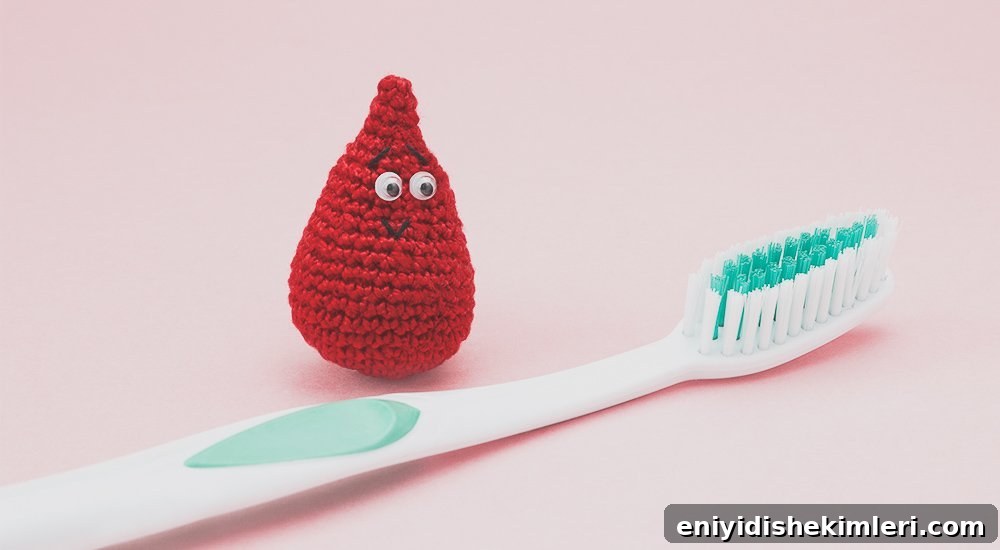
Gingivitis — bleeding and inflamed gums — is the earliest stage of gum disease, most commonly caused by plaque accumulating beneath the gumline. This widespread condition affects a large portion of adults over 30. Left untreated, gingivitis can progress to periodontitis, causing gum recession, jawbone loss, and eventual tooth loss.
Why worry about bleeding gums?
If other parts of your body started to bleed from routine actions — washing your hands or brushing your hair — it would be a clear sign something is wrong. Bleeding gums deserve the same concern. Occasional minor bleeding after vigorous brushing might not be an emergency, but any recurring blood in the mouth is a sign to take action.
The positive news is that gingivitis is usually reversible with consistent oral hygiene, a nutritious diet, and attention to the oral microbiome.
What is gingivitis?
Gingivitis is inflammation of the gingiva (gums) stemming from bacterial infection and the resulting inflammatory response. It represents the initial phase of gum disease and is most often noticed as bleeding gums.
If left untreated, gingivitis can advance into periodontitis, a more destructive disease that leads to gum recession and bone loss. Periodontitis is associated with higher risks of systemic health problems.
Many adults are affected by periodontal disease: a significant portion of the population over 30 shows signs of periodontitis, with a subset experiencing severe forms.
The likelihood of periodontal disease rises with age. After 65, a large majority of adults show signs of periodontitis. The condition is more prevalent among men, smokers, and people in lower-income communities.
The defining difference between gingivitis and periodontitis is bone loss. Gingivitis involves gum inflammation without bone loss; once bone is lost, teeth are at greater risk.
Types of Gingivitis
Gingivitis falls into two main categories: plaque-induced and non-plaque-induced gingival diseases.
The American Academy of Periodontology classifies gingival conditions as:
- Dental plaque–induced gingival conditions: The most common form, driven by plaque buildup from inadequate daily oral care, poor diet, and systemic inflammation. Factors like certain medications, medical conditions, and hormonal changes (for example during pregnancy) can worsen plaque-induced gingivitis.
- Non-plaque-induced gingival diseases: Less common, these arise from specific infections, genetic disorders, immune conditions, trauma, nutritional deficiencies (like scurvy), or premalignant and malignant lesions. Causes include particular bacterial, viral, or fungal infections, autoimmune disorders, metabolic disease, and physical or chemical injury to the gums.
Gingivitis Symptoms
Healthy gums are pale pink, firm, and fit snugly around the teeth. Early changes that suggest gingivitis include:
- Bleeding gums
- Swelling or puffiness
- Red or purplish discoloration
- Tender or painful gums
- Persistent bad breath
- Itchy or irritated gums
A note: dark or black discoloration of the gums can indicate other serious conditions but is not a typical sign of gingivitis.
What causes gingivitis?
Gingivitis most often results from plaque and tartar buildup below the gumline, which triggers a local immune response and inflammation.
Dental plaque forms when harmful oral bacteria proliferate and collect along the gum margin. If plaque isn’t removed, it hardens into tartar and exacerbates inflammation.
Common contributors include:
- Poor oral hygiene: Infrequent brushing and flossing allow plaque to accumulate.
- Weakened immunity: Conditions such as autoimmune diseases or poor overall health can reduce the body’s ability to manage oral bacteria.
- Frequent use of strong antibacterial mouthwash: Overuse can disrupt the oral microbiome and encourage harmful bacterial overgrowth.
- Poor diet: High sugar intake and nutrient-poor food choices shift the oral bacterial balance.
- Tobacco use: Smoking or chewing tobacco damages gum tissue and increases inflammation.
- Hormonal fluctuations: Changes during pregnancy, menopause, or menstruation can increase susceptibility.
Less common causes include specific infections (bacterial, viral, fungal), hereditary conditions, systemic inflammatory or metabolic disorders, precancerous lesions, scurvy (vitamin C deficiency), and trauma to the gums.
Gingivitis Risk Factors
Anyone can develop gingivitis, but the risk increases with certain factors:
- Dry mouth from mouth breathing, medications, or aging
- Infrequent professional dental cleanings
- Sleep-disordered breathing, including sleep apnea
- Advancing age
- Aggressive brushing or flossing that irritates gums
- Osteoporosis
- Genetic predisposition
- Poorly executed dental work that traps plaque
- Malnutrition or impaired nutrient absorption
- Wisdom teeth eruption that complicates cleaning
- Certain prescription medications that cause dry mouth or gum changes
Diagnosis
Dentists diagnose gingivitis by examining the gums for bleeding, swelling, and color changes. Pocket depth measurements around the teeth assess the severity of inflammation. X-rays may be taken to detect any early bone loss and to rule out advanced periodontal disease.
Gingivitis Treatments
Is gingivitis reversible? Yes. Mild to moderate gingivitis often resolves within 2–3 weeks of consistent, proper home care combined with a professional dental cleaning.
Effective approaches focus on removing plaque, restoring a healthy oral microbiome balance, and addressing any underlying contributing factors.
Some traditional treatments and beliefs are outdated; for example, routine use of strong antiseptic mouthwashes can disturb beneficial oral bacteria and is not a cure for gingivitis. The goal is to reduce harmful bacterial overgrowth while supporting beneficial species.
Professional Treatment
Regular professional teeth cleanings are the cornerstone of gingivitis treatment. Most people benefit from cleanings every six months, or more often if recommended by their dentist. If gum disease is suspected to be advancing, a referral to a periodontist may be necessary. In cases of periodontitis, scaling and root planing (deep cleaning) are standard treatments to remove plaque and tartar below the gumline.
Home Care
At-home care that helps reverse and prevent gingivitis includes:
- Daily brushing: Brush twice daily — upon waking and before bed — and about 45 minutes after consuming sugary or acidic foods. Use a soft-bristled toothbrush; electric brushes can improve effectiveness. Replace brush heads or toothbrushes every 1–3 months.
- Daily flossing: Floss nightly, ideally before brushing, to remove trapped food and plaque. If string floss is difficult, consider a water flosser or floss picks to reach interdental areas.
- Oral probiotics: Targeted oral probiotics can help rebalance oral bacteria and have been shown to reduce gingivitis symptoms.
- Oil pulling: Swishing coconut oil occasionally may reduce plaque and inflammation beneath the gumline.
- Tongue scraping: Cleaning the tongue daily removes bacterial reservoirs that contribute to gum inflammation and bad breath.
- Mouth tape and breathing habits: Preventing mouth breathing during sleep can reduce dry mouth and bacterial overgrowth; address snoring or sleep-disordered breathing if present.
- Topical options: Natural gels containing curcumin (from turmeric) have shown anti-inflammatory effects in some trials. Toothpaste with baking soda may also help reduce plaque and bleeding.
When to see your dentist
Occasional bleeding alone is not usually an emergency, but you should contact your dentist promptly if you experience:
- Painful gums that do not improve after several days of improved home care
- Very bad breath despite oral hygiene efforts
- Oral pain that interferes with daily activities
- Loose teeth
Maintain regular dental cleanings as a preventive measure. If it’s been more than a year since your last cleaning, schedule one soon.
How to Prevent Gingivitis
Many steps that treat gingivitis also prevent its onset. Key preventive habits include:
- Brush twice daily and after sugary or acidic meals
- Floss daily
- Scrape the tongue daily
- Practice oil pulling occasionally
- Avoid chronic mouth breathing and address sleep-related breathing issues
- Use only soft-bristled toothbrushes and replace them regularly
- Keep biannual dental cleanings and follow professional advice
- Avoid alcohol-based or broad-spectrum antibacterial mouth rinses that disrupt the oral microbiome
- Follow a nutrient-rich, low-sugar diet
- Quit tobacco use in any form
- Manage medications and medical conditions that cause dry mouth or immune compromise with your healthcare provider
- Control blood sugar closely if you have diabetes
Complications of Untreated Gingivitis
If gingivitis progresses to advanced periodontitis, the resulting chronic inflammation and infection can increase the risk of other health problems, including:
- Worsening diabetes control
- Cardiovascular disease
- Associations with neurodegenerative conditions
- Pneumonia
- Infective endocarditis in vulnerable individuals
Addressing gingivitis early prevents local damage and reduces potential systemic impacts.
FAQs
Q
Is gingivitis contagious?
A
Gingivitis as a disease state is not directly contagious, but the bacteria that contribute to it can be transmitted between people through close contact such as kissing or sharing utensils, which can influence another person’s oral microbiome.
Q
Which bacteria are responsible for gingivitis?
A
Several bacterial species are commonly associated with gingivitis and periodontal disease. Examples include Actinobacillus actinomycetemcomitans, Porphyromonas gingivalis, Tannerella forsythia, Treponema denticola, Fusobacterium nucleatum, and others. The balance between these potentially harmful bacteria and beneficial oral microbes determines oral health. The aim of treatment is to reduce harmful overgrowth while supporting a diverse, balanced oral microbiome.
Q
Is gingivitis an autoimmune disease?
A
Gingivitis involves an inflammatory immune response in the gums. In some cases, immune-mediated mechanisms contribute to tissue damage, and inflammatory cytokines play a central role. While inflammation and immune responses are critical components, gingivitis is usually considered an infection-driven inflammatory condition rather than a classic autoimmune disease.
Q
Is trench mouth the same as gingivitis?
A
Trench mouth (necrotizing ulcerative gingivitis) is a severe, rapidly progressing form of gingival infection characterized by ulceration, pain, and tissue necrosis. It is rare in well-nourished populations but can occur in individuals with poor nutrition, severe stress, immunosuppression, or other risk factors.