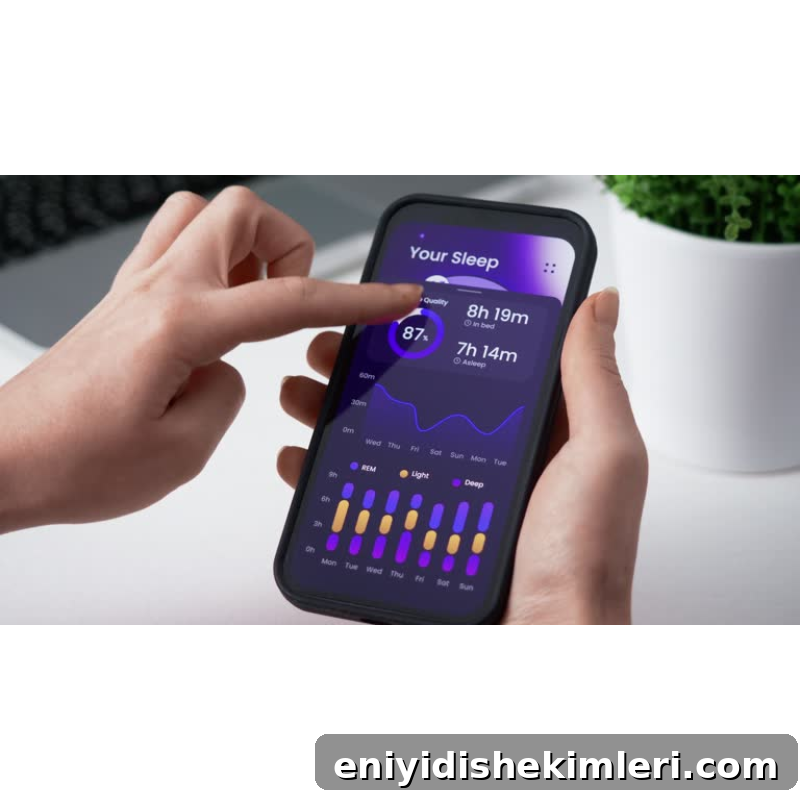
Back in dental school my classmates nicknamed me “Consumer Reports” because I was always the one researching everything—car seats, stereos, you name it. That curiosity never faded. These days my deep dives focus on health, longevity, and most importantly, sleep.
Good sleep isn’t luck—it’s a strategy. Below are the reliable, practical habits and tools that have improved my nights. Consider this week’s edition of Mark’s Must-Haves.
1. A Protein-Rich Dinner (40g+)
Eating sufficient protein at dinner helps stabilize blood sugar overnight and supports more consistent, restorative sleep. I aim for at least 40 grams of protein each evening, and the benefit comes from making that a regular habit.
When we don’t feel like cooking or the grandkids arrive unexpectedly, having a convenient, nutrient-dense backup matters. For years my family has relied on prepared meals from a chef-driven service that delivers high-quality options with no hidden seed oils—meals that require no prep and consistently hit the mark for protein and nutrition.
If you want a simple, reliable dinner option that helps meet protein goals, consider a prepared-meal subscription or other ready-to-eat choices that prioritize whole ingredients and quality cooking.
2. Optimal Digestion Before Sleep
High-quality food and supplements are only effective if your body can absorb them. When my digestion was off—especially after eating out—my sleep scores dropped. Improving digestion directly improved my sleep quality.
Digestion matters for sleep because melatonin is produced not only in the brain but also in the gut. The gut needs tryptophan, an amino acid from protein, to make melatonin. If protein isn’t digested well, tryptophan absorption can be reduced and melatonin production in the gut can suffer.
To support digestion, I take a digestive enzyme with my last meal (we typically eat around 6:30 pm and I aim to be asleep by 10). My wife keeps a bottle in her purse for meals out—helpful for hidden dairy or rich oils that can disrupt digestion. Addressing digestion has consistently led to smoother evenings and better sleep scores.
Pairing digestive support with an evening magnesium supplement can further enhance sleep and recovery.
3. A Post-Dinner Walk
A short 10–20 minute walk after dinner is one of the simplest, most effective habits for digestion and sleep. Walking helps regulate blood sugar, supports circadian rhythms through gentle natural light exposure, and aids digestion by stimulating movement through the digestive tract.
It’s free, easy to adopt, and has meaningful benefits for metabolic health and sleep. Don’t underestimate how much this small routine can improve how you feel overnight.
4. A Clean Mouth Before Bed
Oral health influences sleep more than many people realize. My nightly routine is straightforward:
- Floss — protects teeth and supports overall health
- Brush — I use a prebiotic, nano-hydroxyapatite toothpaste
- Tongue scrape — reduces bad breath and supports the oral microbiome
A balanced oral microbiome lowers inflammation, improves nitric oxide production, supports clearer breathing, and contributes to better sleep overall.
5. Oura Ring in Airplane Mode & No EMFs Near the Bed
I wear an Oura Ring nightly to track sleep and recovery, but I always switch it to airplane mode before bed. I also keep my phone in another room and turn off WiFi overnight when possible. Reducing electromagnetic exposure while sleeping can support deeper, less interrupted rest.
If you track sleep, make sure your devices aren’t emitting signals all night—consider moving them away from the bedside and powering down your router at night if practical.
6. Aim for an AHI of Zero — No Breathing Interruptions
Uninterrupted breathing is the single most important factor for restorative sleep. Even slight pauses in breathing cause micro-awakenings that fragment sleep and reduce recovery.
For many people, a mandibular advancement device or other airway-focused therapies can keep the airway open and dramatically reduce apnea-hypopnea index (AHI). If you suspect sleep-disordered breathing, seek an airway-trained dentist or sleep specialist who can evaluate and treat your airway.
If breathing interruptions are present, treating the airway can be transformative for energy, mood, and long-term health.
7. Can’t Breathe Through Your Nose? Fix That First.
Mouth taping can be a useful tool to encourage nasal breathing, but it is not a solution for an obstructed nasal airway. If you wake up pulling the tape off or can’t breathe comfortably through your nose, the issue is likely nasal congestion, enlarged turbinates, a deviated septum, or unresolved allergies.
See an ENT to evaluate and address nasal airway problems before relying on mouth tape. Fixing the nasal airway first is critical for safe, effective long-term improvement in sleep and breathing.
8. The Right Pillow for Neck Alignment
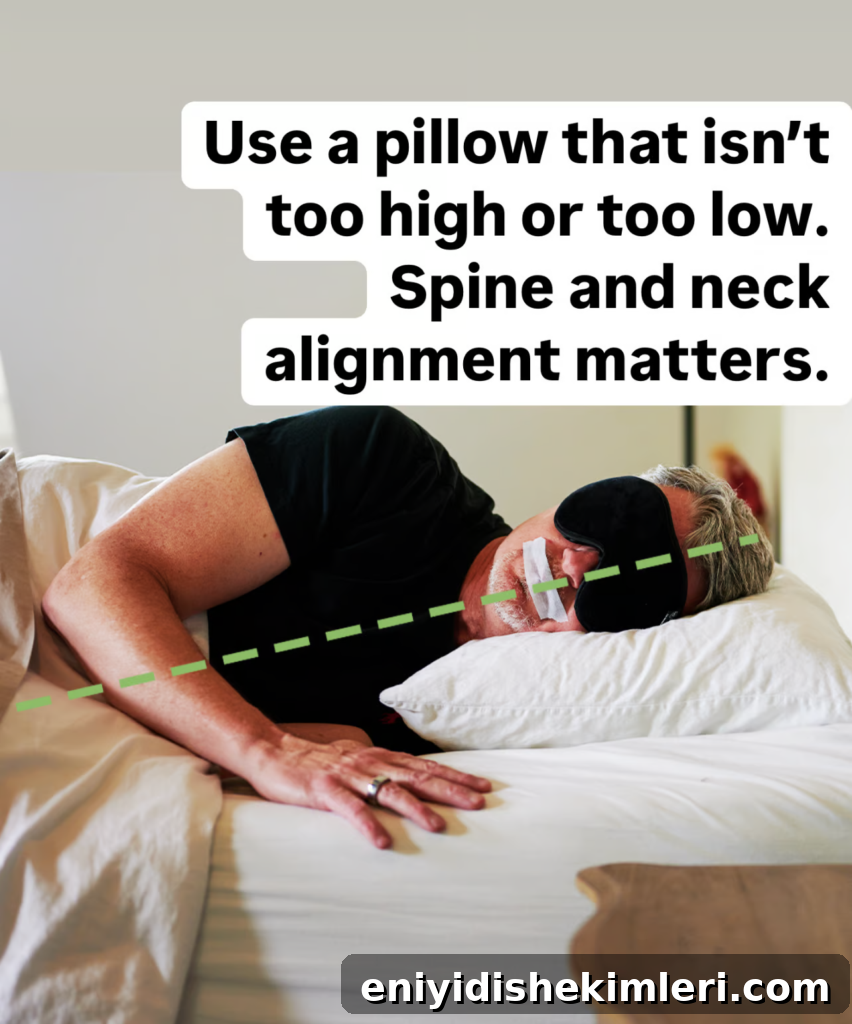
Proper neck and spine alignment affects breathing, recovery, and pain. Most people don’t give their pillow much thought, but the right pillow tailored to your body and sleep position can make a big difference. Have a partner check your alignment in bed so your head, neck, and spine form a straight line. Choose a pillow that maintains that alignment through the night.
These habits and simple tools have had the biggest impact on my sleep scores and overall recovery. If you’re working to improve sleep, try adopting a few of these consistently and measure the difference.
See you next week with more must-haves. If there’s a topic you’d like me to cover, hit reply and let me know—I’m all ears.
– Mark
Have a wonderful weekend,
Mark
Know someone who would appreciate this? Forward it to them and tell them to sign up for future emails.

P.S. I’m selective about supplements and value brands that use rigorous third-party testing and thoughtful formulations. A reliable magnesium product has been helpful for both sleep and overall oral health. If you choose to use supplements, look for quality, transparency, and testing to ensure safety and effectiveness.