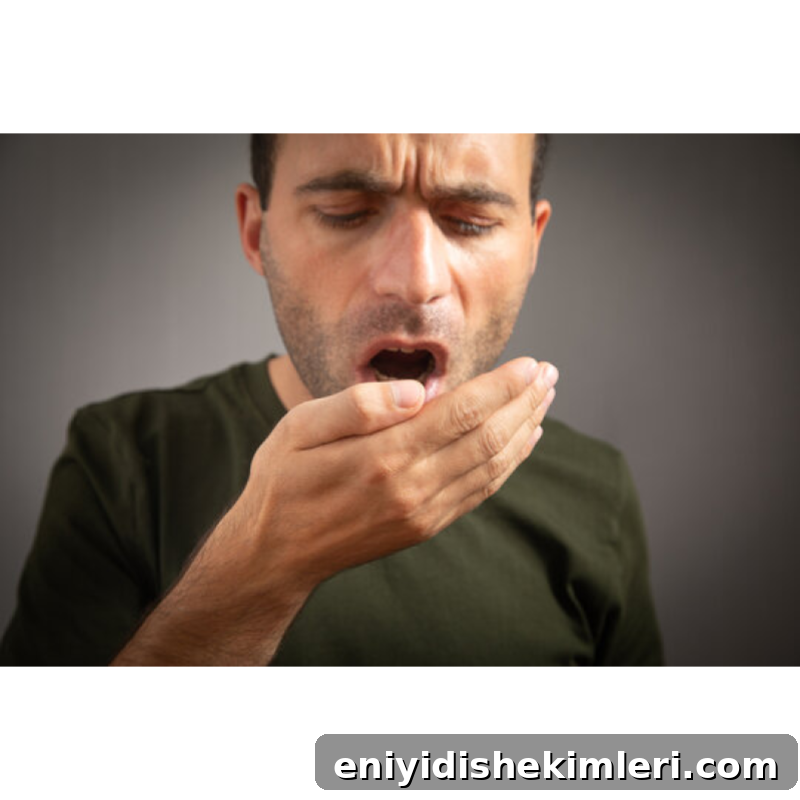
Back in dental school, I stayed up late studying with a plate of my wife’s chocolate chip cookies as fuel. I brushed my teeth at 1 a.m., but still woke up with bad breath. At the time I attributed it to stress and exhaustion, but now I recognize it as an early lesson in how the oral microbiome drives halitosis.
Now, in my 60s, I mountain bike, ski, and can’t get away with shortcuts. If I skip the basics, I notice my breath the next morning or even after a long ride. Bad breath took on a new level of importance once I became a dentist—I spend long hours in a mask with patients. The mask protects me, but it can also raise CO₂ levels and encourage shallower breathing and more mouth breathing. That dries the mouth and throat—prime conditions for unpleasant odors.
The last thing I want is to be face-to-face with someone while worrying about my breath. It’s especially noticeable when following very low-carb diets—keto breath is real. Over the years I’ve developed a practical routine that keeps my breath fresh and supports a healthy oral environment. Here’s what I use and why.
1. Electrolytes First Thing
I don’t have coffee until I’ve had 12–16 ounces of water with electrolytes. Plain water alone often isn’t enough to rehydrate after sleep. On days at altitude or when skiing, I increase the amount. Proper hydration helps prevent dry mouth, which contributes to foul odors.
2. Tongue Scraper (Stainless Steel)
Two gentle scrapes every morning with a stainless-steel tongue scraper remove bacterial buildup and debris that produce offensive gases. Any U-shaped stainless scraper works well. Stainless steel is durable and easy to clean compared with trendy alternatives.
3. Green Tea
I drink a small cup of green tea mid-morning for catechins, which help curb sulfur-producing bacteria. Green tea provides a modest caffeine boost without the dehydrating effects of multiple cups of coffee. It supports oral health without drying the mouth.
4. Nitrate Mint or Greens
I aim to get nitrate-rich greens—like arugula—at breakfast. If I miss them, I use a nitrate mint after tongue scraping. Nitrate supports healthy oral bacteria and circulation, and I’ve noticed improved breath and recovery after workouts. Over time, nitrates have been a helpful addition to my routine.
5. Xylitol Gum
After meals, especially lunch, I chew xylitol gum. My goal is about 5–10 grams of xylitol per day; since many gums contain only 0.5–1 gram each, you may need several pieces. Xylitol reduces harmful bacteria and stimulates saliva, which helps neutralize odors. Keep xylitol products away from pets.
6. Mouth Tape at Night
I use mouth tape nightly to encourage nasal breathing. If I don’t, I wake with dry mouth and morning breath. Nose breathing preserves moisture in the nasal passages, pharynx, and tonsils; mouth breathing at night dries these tissues and promotes imbalance in the oral microbiome. If mouth taping isn’t tolerable, consult a myofunctional therapist or ENT to address underlying issues.
7. Oral Microbiome Testing
I test my oral microbiome twice a year. Tests can reveal imbalances, especially after antibiotics or prolonged use of harsh mouthwash, which can eliminate beneficial bacteria along with harmful ones. When my test showed slightly elevated bacteria associated with bad breath, I increased tongue scraping frequency and added specific oral probiotics. A follow-up test showed improvement.
8. Flossing Stick
Consistent interdental cleaning has been a game-changer. Using a flossing stick made flossing easy enough to do every day. It’s convenient and allows one-handed use, which helps make the habit stick. Removing food and plaque between teeth reduces bacteria that contribute to malodor.
My routine has evolved since those cookie-fueled dental school nights. I can’t cut corners anymore, and I don’t want to. These habits help me feel sharper, sleep better, and keep my breath fresh after long bike rides or ski days.
Try adding just one of these steps this week and notice how your breath changes by day three or four.
– Dr. B

P.S. Know someone struggling with bad breath? Forward this to them—they may find these tools helpful. They can sign up for future emails through the author’s newsletter.