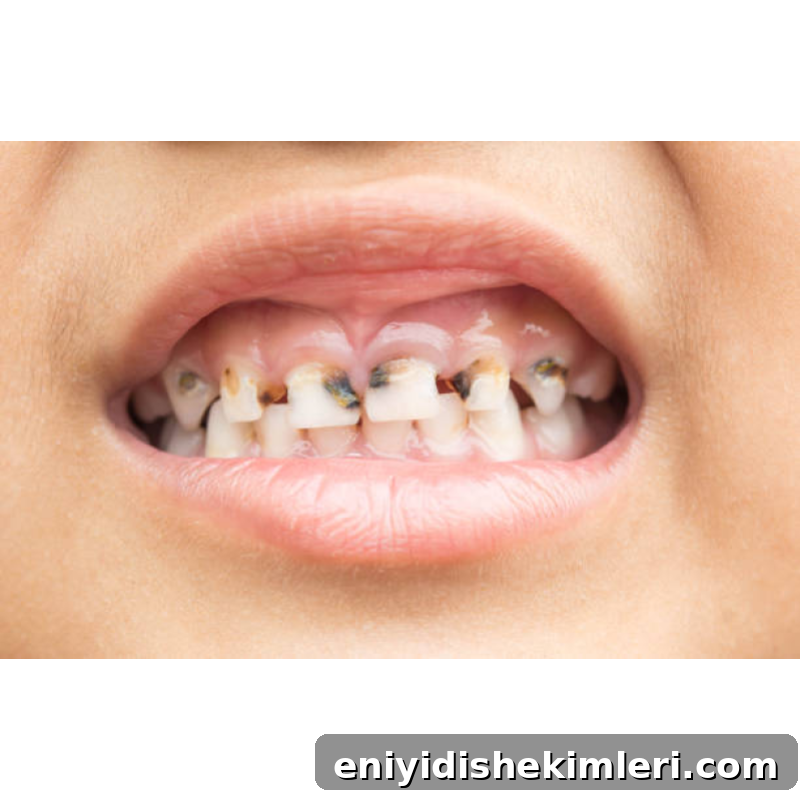
When my three-year-old granddaughter was diagnosed with a cavity, my immediate reaction wasn’t simply, She needs a filling. It was, How did this happen?
Cavities happen, even in families that eat well, brush regularly, and avoid sugary sodas. But a cavity is rarely just bad luck — it’s a sign that something deeper is out of balance. If you don’t identify the root cause, the problem is likely to recur. Here’s how we approached it and what I recommend.
In our case the cause became obvious: she had spent several weeks in the hospital with a kidney infection. During that time she received IV antibiotics, which disrupt the oral microbiome, ate mostly hospital food, and—because her favorite animal is the panda—her parents allowed unfettered access to Hello Panda crackers to comfort her. That combination of microbiome disruption, processed snacks, and reduced saliva flow created the perfect environment for a cavity to form.
You cannot out-brush or out-floss a bad diet.
My daughter had always been meticulous about brushing and flossing, yet her child still developed a cavity. The key takeaway: diet and the oral microbiome matter at least as much as technique. Processed, fermentable carbohydrates—snacks like Goldfish, Hello Panda crackers, and saltines—break down into sugars that feed acid-producing bacteria. When those foods are eaten frequently throughout the day, they dramatically increase cavity risk.
Cavities aren’t proof of parental failure. They are a signal that something is off. Once you determine the why, you can take steps to correct it. As dentists, we are often taught to view cavities as a hygiene problem, but they are frequently driven by nutritional deficiencies, microbiome imbalances, breathing patterns, and medication effects.
Parents today face unique challenges: ultra-processed food is ubiquitous, stress is higher, and antibiotics and other medications can unintentionally alter the microbiome. If your child develops a cavity, don’t dwell in guilt—use it as an opportunity to ask the right questions and make targeted changes.
After my granddaughter’s filling, I put her on a focused protocol to restore the oral microbiome, support enamel remineralization, and reduce the chance of future cavities. Below are the practical steps we followed.
1. Check for Mouth Breathing & Support Nasal Breathing
Mouth breathing dries the mouth and reduces saliva, the body’s natural defense against cavities. Signs include snoring, waking with a dry mouth, or chronic nasal congestion. If mouth breathing is present, addressing it is a priority.
In children who mouth-breathe I recommend interventions to promote nasal breathing and reduce congestion. Restoring nasal breathing can significantly lower cavity risk by preserving saliva flow and maintaining a healthy oral environment.
2. Daily Magnesium-Rich Drink
Magnesium supports strong enamel and overall oral health, yet many children don’t get enough. We started a simple daily drink made with filtered water and a high-quality magnesium supplement. It tastes like a treat to her and provides mineral support that helps teeth remineralize from the inside out.
3. Cod Liver Oil and Fat-Soluble Vitamins
Fat-soluble vitamins—especially vitamin K2, plus vitamins A and D—help direct minerals into teeth and bones. We added a daily teaspoon of high-quality cod liver oil for A and D and supplemented K2, since most diets don’t provide sufficient amounts. These nutrients support proper mineralization and healthy tooth development.
4. Oral Probiotics to Restore the Microbiome
The balance of bacteria in the mouth determines whether enamel stays healthy or breaks down. After a course of IV antibiotics, her oral microbiome needed repopulation with beneficial strains. We used an oral probiotic containing Streptococcus salivarius to help re-establish protective oral bacteria and reduce cariogenic species.
Combined with better dietary habits and consistent oral care, these steps helped restore balance and arrest further decay.
Fast-forward to today: my granddaughter is now eight, thriving, and cavity-free. Smaller lesions were arrested and remineralized with nightly brushing and a topical hydroxyapatite varnish recommended by her dentist. One lesion on a primary tooth is being monitored and is expected to resolve as the tooth exfoliates. Her dental team follows the ALARA principle for X-rays—limiting exposure while ensuring appropriate monitoring.
She continues the protocol—magnesium daily, cod liver oil with K2, and nasal support when needed—and the family has turned a disheartening diagnosis into a lasting lesson about prevention and resilience.
The broader lesson is clear: cavities develop over time from an imbalance of factors—diet, microbiome changes, illness, medications, and breathing patterns. Fillings are sometimes necessary, but every restoration should prompt the question why. Addressing root causes prevents recurrence and empowers families to improve long-term oral health.
If your child has had a cavity or you want to reduce their risk, consider evaluating diet, breathing, nutrient status, and microbiome health. This is a shame-free zone—cavities are opportunities to learn, adjust, and protect your child’s teeth going forward.
To your great health,
Mark

P.S. Is there someone you know who could benefit from this information?