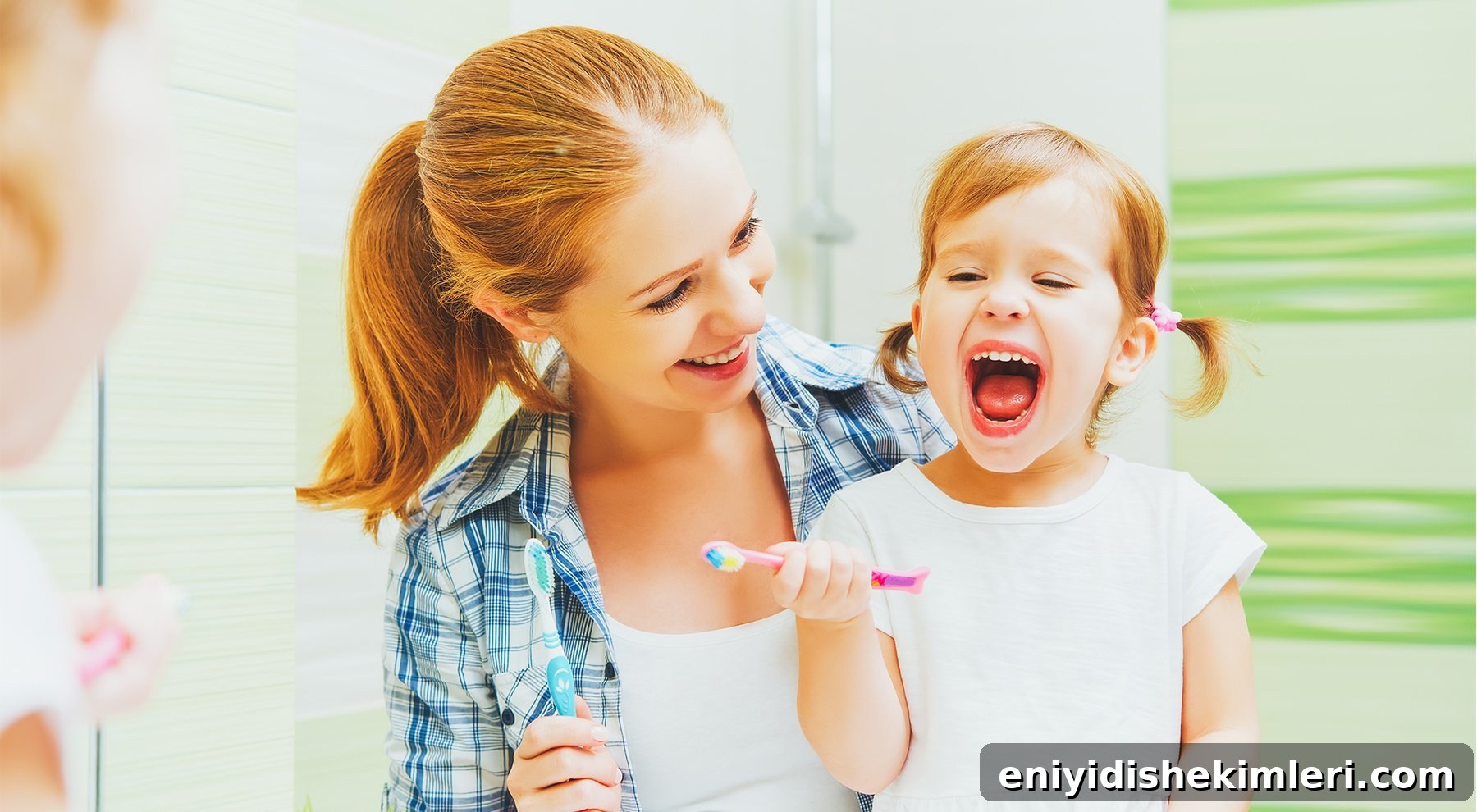
If you’re reading an article titled “How to Brush Your Teeth for Kids,” chances are your little one is ready to start a serious oral care routine. After those first few months of parenting, the milestone arrives: the first tiny tooth.
“What do I do?” you wonder. How can you keep that small tooth clean and reduce the risk of cavities?
This article explains both when and how to brush your child’s teeth properly and, more importantly, how to make brushing a positive, lasting habit. I’ll also offer age-specific guidance, since a toddler needs a different approach than a preteen.
If you want to skip ahead, use the quick links below.
0-2 years old 2-8 years 8+ years
How should I look after my child’s teeth?
Before covering brushing technique, let’s define what “looking after” your child’s teeth means. Brushing matters, but the way your child learns brushing now will shape their relationship with dental health for life.
How a child experiences brushing early on influences their long-term feelings about oral care.
You don’t want the toothbrush to become something a child dreads. If brushing is forced or stressful, children can form negative associations that last. Instead, aim to teach brushing so it feels fun and rewarding.
Focus on creating a positive routine: model brushing 2–3 times a day, and make it an enjoyable family habit. When children see caregivers brushing with enthusiasm, they’re more likely to imitate that behavior and accept brushing as part of daily life—like mealtimes or bedtime stories.
It’s okay to prioritize a pleasant experience over a perfectly thorough clean at first. Technique can improve over time; what’s most important is building consistency and a positive attitude toward brushing.
Begin as soon as the first tooth appears, usually around six months, but it’s never too late to start.
Above all, make brushing a pleasurable routine so it becomes an automatic habit for your child into adulthood.
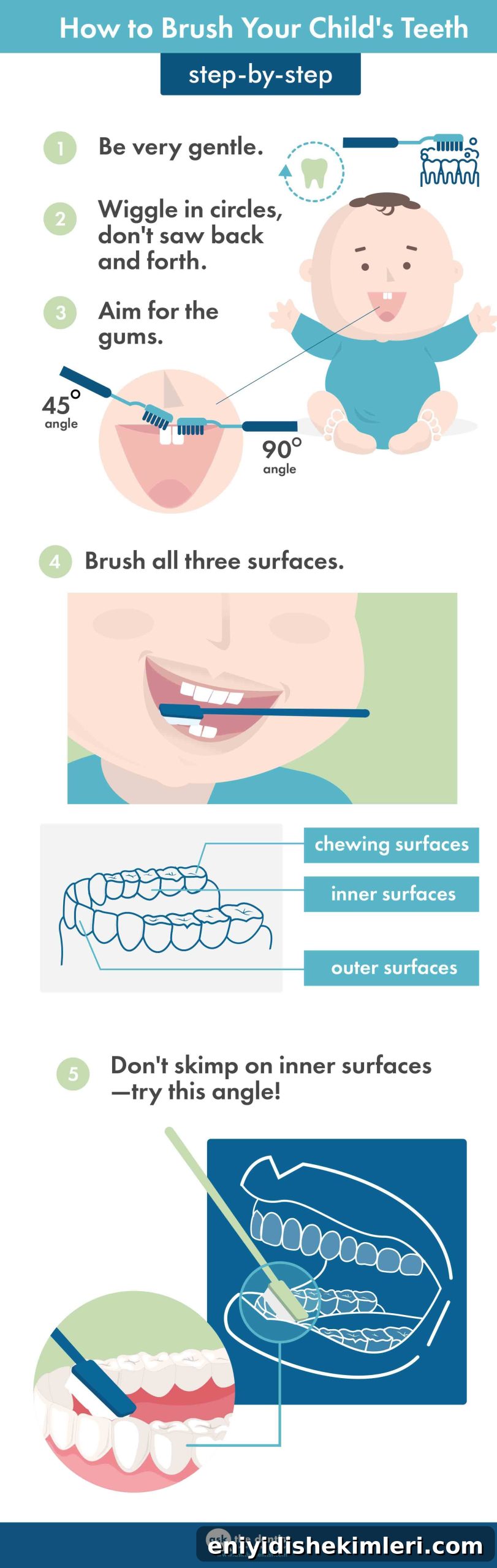
Brush in front of them, 2-3 times a day
Children learn by imitation. When you brush in front of them, they can copy your motions and start to understand that brushing is a normal, enjoyable part of the day. This reduces fear and increases cooperation.
Be playful — sing, make faces, dance — anything that frames brushing as a cheerful activity. For babies just getting their first teeth, family brushing times set a helpful example.
If early brushing experiences went poorly, it’s fine to reset: stop forcing it, start a new routine, and let your child warm up to brushing again.
Put on a show
Make brushing a performance: have one parent pretend to brush the other’s teeth, let your child “brush” your teeth, or even practice on a stuffed animal. Regular exposure to brushing in non-threatening contexts helps the child accept the process.
Brush and floss together — you’ll reinforce good habits and improve your own oral health at the same time.
Keep it positive. Never use fear tactics.
Threats, pressure, or using the dentist as a punishment can create dental anxiety. Many adults delay dental visits until pain forces them to seek care; avoid setting your child up for that pattern. Keep encouragement and positive reinforcement at the center of tooth care.
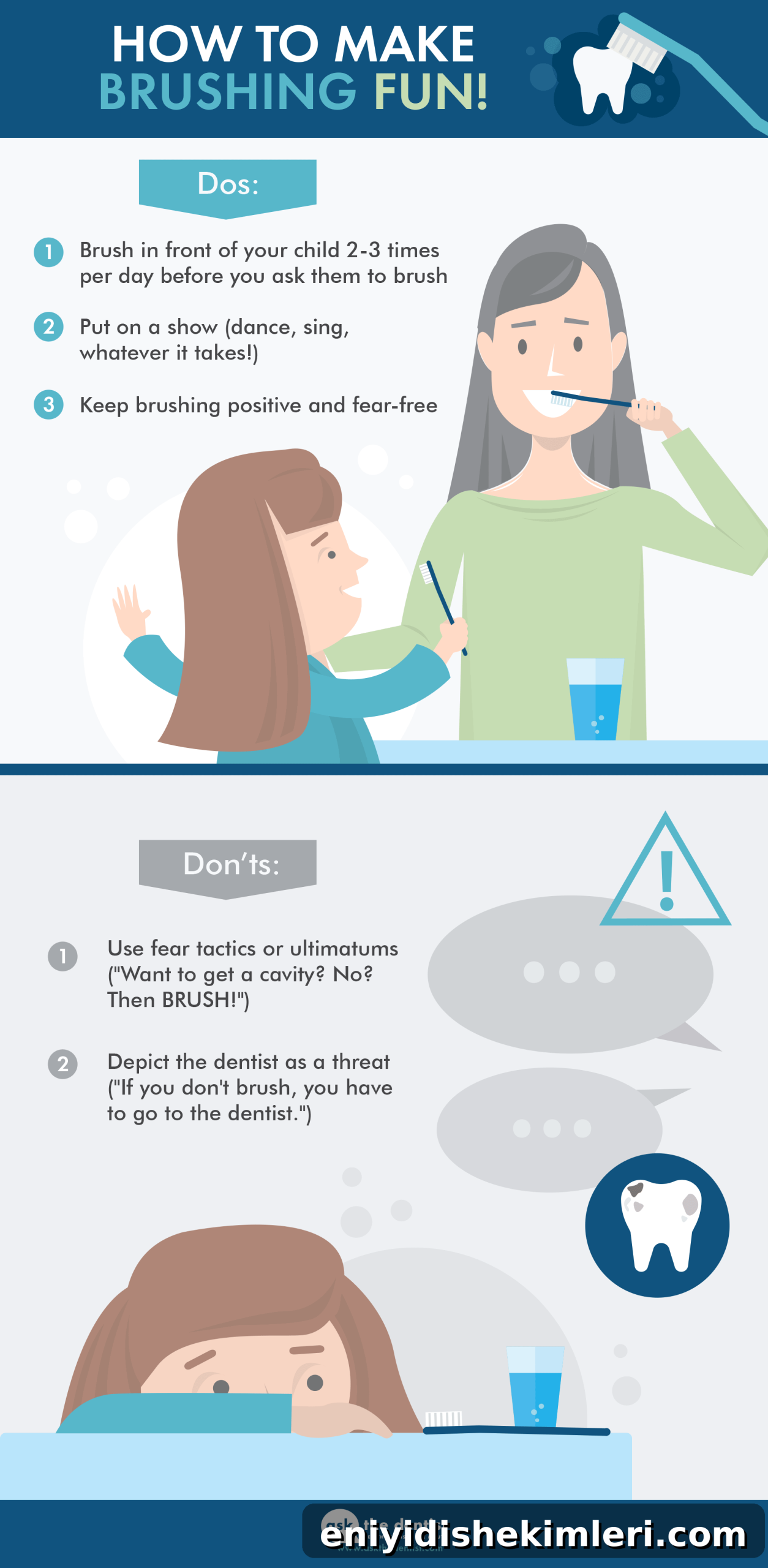
How to Brush Your Kid’s Teeth: Step-by-Step
Once brushing is an accepted routine, focus on gentle, effective technique when you help your child brush thoroughly after they attempt it themselves.
Be gentle
A light touch cleans well and protects delicate young tooth enamel and gums. A firm, aggressive scrub can create tiny abrasions and damage sensitive tissue. Hold the brush lightly between two fingers for better control and a gentler touch.
Use a wiggle motion, not back and forth
Small circular motions or tiny wiggles that mimic electric brush action are more effective and less abrasive than long back-and-forth scrubbing.
Aim for the gum line
Hold the brush at about a 45-degree angle toward the gums so you clean where plaque commonly accumulates.
Cover three surfaces
Brush outer, inner, and chewing surfaces of each tooth to address the full 3D structure of the tooth.
Using an electric toothbrush
The same principles apply:
- Cover inner, outer, and chewing surfaces, holding the brush at a 45-degree angle to the gums and letting the brush’s motion do the work.
- Use gentle pressure so bristles don’t bend.
- Make sure bristles contact both teeth and some gum tissue.
Brushing my kid’s teeth is impossible. How can I manage 2–3 times a day?
It’s common for parents to overcomplicate the process. Here are practical tips to make brushing easier for both you and your child.
(right click on the image and click save as)
1. Don’t rush
Brush when you have time. While two minutes is the guideline, younger children may benefit from four to five minutes of playful brushing so you can achieve at least two minutes of focused cleaning.
2. Consider brushing without toothpaste at first
Toothpaste can make young children gag or create mess. Dry brushing is effective for establishing routine and can be done anywhere — in the car, waiting room, or at a friend’s house. If you use fluoride toothpaste, use only a smear for babies and a pea-sized amount for older children.
3. Get in front of a mirror
Stand behind your child and brush while both of you look in the mirror. This helps them see what’s happening and makes it easier to turn brushing into a game.
4. Use music
Play a two-minute song or pick a tune your child loves. Music makes brushing entertaining and helps keep time.
5. Use an hourglass
A small sand timer gives a tangible sense of time and can be more engaging for young children than a digital timer.
Common Mistakes
Here are common missteps and how to avoid them.
Don’t lie them down to brush
Brush children in an upright position. Lying flat can trigger gagging and be unpleasant for the child.
Don’t use gauze as a primary method
Wiping teeth with gauze is usually ineffective and can taste unpleasant to a baby. Teach brushing as the routine instead.
Age-Specific Advice
babies 0-2 years old
What parents need to know
- Focus on making brushing fun.
- Choose a toothbrush with extra-soft bristles.
- Build a routine of brushing 2–3 times per day.
- Let the baby explore the brush first, then you finish the job if they enjoy it.
When to start
Begin brushing as soon as the first tooth appears. Gently massaging the gums with a soft brush is fine before teeth erupt.
Choosing a baby toothbrush
A baby toothbrush should:
- Have extra soft bristles to protect sensitive gums.
- Be small and designed specifically for infants’ mouths.
- Be manual for the gentlest, least intimidating first experience.
Recommended baby brushes
best for baby grip
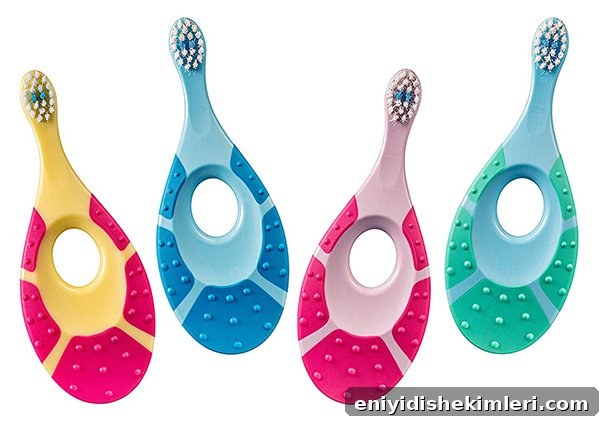
Jordan Step 1 Baby Toothbrush
This brush is easy for little hands to hold during brushing.
best for several teeth
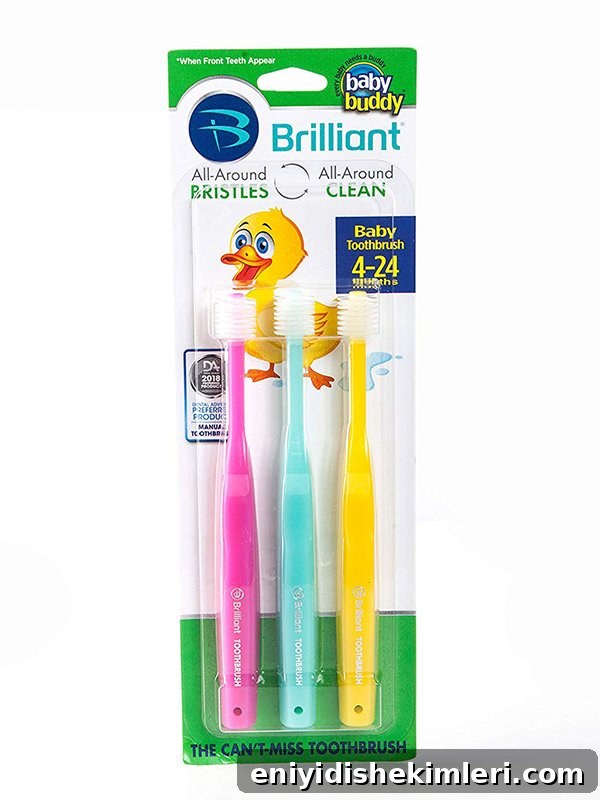
Baby Buddy Brilliant Baby Toothbrush
Good for mouths with several teeth; the 360-degree head helps clean many surfaces easily.
Toddlers & Young Kids: 2-8 Years Old
What parents need to know
- Parents should continue to brush the child’s teeth until about age eight.
- Let the child brush first, then you follow up to ensure a thorough clean.
- Plaque-disclosing tablets can help children see what they missed and turn brushing into a game.
Choosing a toothbrush
Select a brush with soft bristles, a kid-sized head, and start with manual brushes before introducing electric options.
When to introduce an electric toothbrush
Introduce an electric brush when the child is comfortable and curious about it. Use it slowly and supervise to avoid scary or negative experiences.
Recommended brushes for small children
best manual kids’ brush
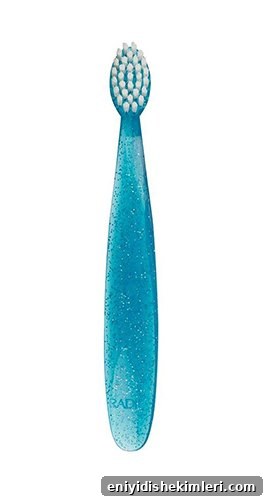
Radius Totz
Eco-friendly and gentle, a top pick for a child-sized manual brush.
best electric kids’ brush
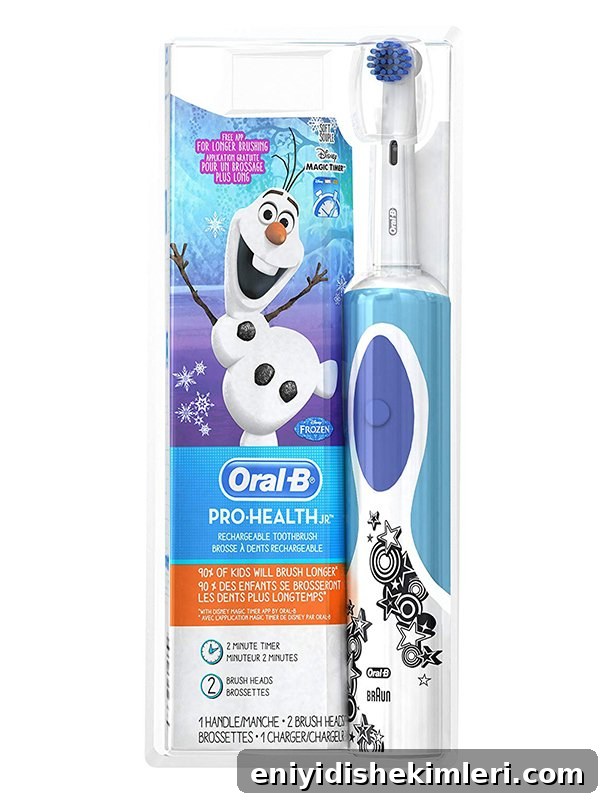
Oral-B Kids Electric Toothbrush
An oscillating rechargeable brush that helps remove plaque from starchy diets common in kids.
best companion smartphone app
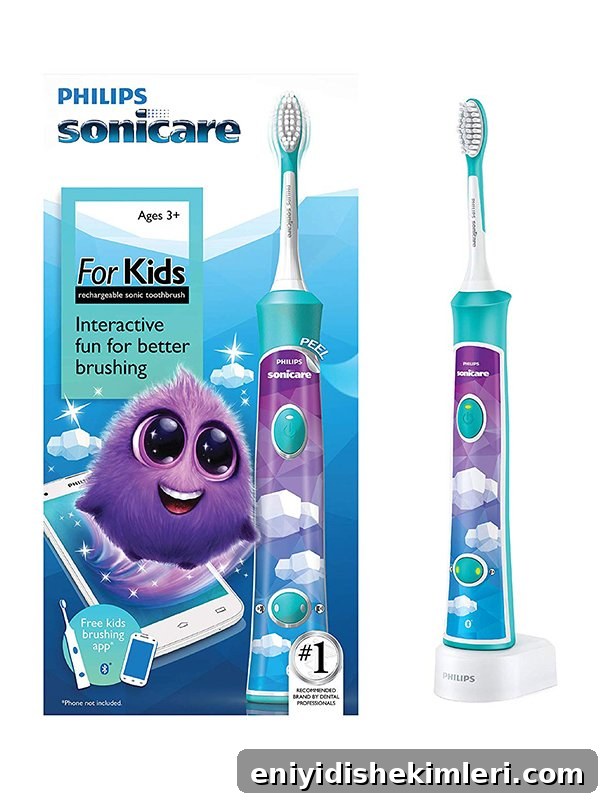
Sonicare for Kids Electric Toothbrush
This brush includes a companion app that can motivate some children who enjoy interactive features.
Ages 8+ Years
What parents need to know
- Around age eight many children can brush independently, though supervision and follow-up are still valuable.
- Maintaining the habit is often the biggest challenge during later childhood.
- Continue to encourage brushing 2–3 times daily for about two minutes each time.
Brush picks for older kids
Electric or manual brushes designed for children will still work well for ages eight and older; consider moving to adult brushes by around age 12. Stick with soft or ultra-soft bristles.
best travel manual brush for ages 12+
Radius Tour
A compact brush to keep in a backpack, car, or bedside drawer for quick touch-ups on the go.
Parent Tips From Other Caregivers
Parents shared the strategies that worked for them: flashing-light brushes, short videos or songs, character stories, letting the child brush first, swapping turns, sand timers, apps that gamify brushing, and playful narratives like “cavity monsters” to make brushing engaging.
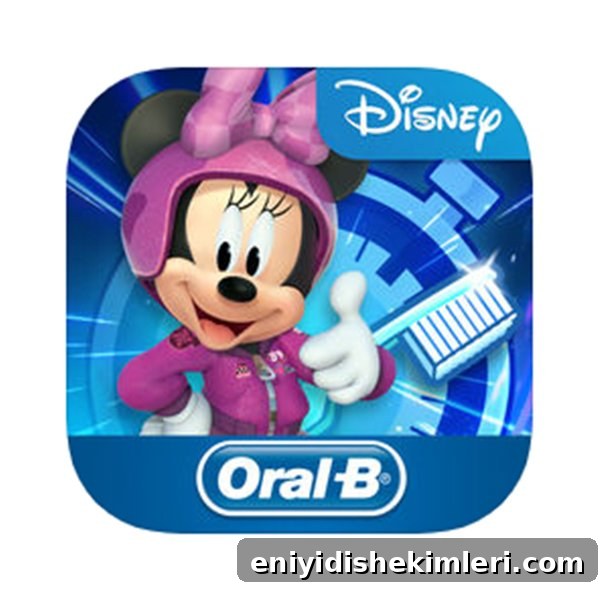
Disney Magic Timer by Oral-B
An example of an app parents found helpful to encourage the two-minute habit.
Children with disabilities
Brushing can be more challenging when a child has difficulties with understanding or cooperation. Strategies that may help include:
- Pair brushing with a daily motivator the child already enjoys.
- Use plaque-disclosing tablets so the child can see the results of brushing.
- Start with very small steps and be patient.
- Keep regular dental appointments and consider a pediatric dentist experienced with special needs when available.
- Prioritize diet and prevention, limiting processed carbs and sugar where possible.
- Consider an oscillating electric toothbrush to remove plaque even during shorter sessions.
Small, steady progress is valuable. Your efforts will help your child develop lifelong oral care skills.
What to do when brushing goes poorly
All kids are imperfect brushers, which is why parental follow-up matters until about age eight. Plaque-disclosing tablets can motivate children who resist brushing by making plaque visible and turn the task into a tangible game.
There will be times a child refuses to cooperate. In those moments, focus on consistent prevention: a nutritious diet and supplements where appropriate can support tooth health while you rebuild a positive brushing routine.
Examples of supportive supplements sometimes used include cod liver oil for vitamins A, D, and K2, and oral probiotics that may help balance oral flora. Always consult a healthcare professional before starting supplements for your child.
Final Takeaways
- Habit formation and a positive experience are more important than perfect technique in the beginning.
- Children need parental help with brushing until they have the coordination and discipline to do it well—typically around age eight.
- Make brushing easy: avoid rushing, consider brushing without toothpaste at times, and be flexible about where and how you brush so it fits into daily life.
†These statements have not been evaluated by the Food and Drug Administration (FDA). These products are not intended to diagnose, treat, cure, or prevent any disease.