What molecule was named “Molecule of the Year” in 1992 and later earned three pharmacologists the Nobel Prize in 1998 for its role in cardiovascular health? The answer is nitric oxide. It may not always get the headlines, but nitric oxide plays a crucial role in inflammation control, digestion, sleep quality, immunity, memory, and behavior. Importantly, your oral health strongly influences your body’s ability to produce adequate amounts of it.
Good oral health isn’t just about sterilizing the mouth. In fact, an appropriate balance of oral bacteria is essential for producing nitric oxide. Over-sanitizing your mouth can disrupt the oral microbiome and reduce your body’s capacity to generate this vital molecule.
As a dentist, I frequently see three common factors that interfere with the oral microbiome and nitric oxide production: antibacterial mouthwash, chronic mouth breathing, and certain products containing essential oils.
What Is Nitric Oxide’s Role in the Body?
Nitric oxide is best known for supporting cardiovascular health. It is a powerful vasodilator that helps regulate blood pressure by keeping blood vessels flexible and responsive. The tiny blood vessels in the gums and kidneys are especially vulnerable to high blood pressure because they are among the smallest and most delicate in the body.
Nitric oxide is involved in a variety of systems and processes in the body such as:
- Influencing memory and behavior through signaling in nerve cells
- Supporting immunity by helping defend against bacteria and abnormal cells
- Reducing inflammation
- Improving sleep quality
- Enhancing endurance and strength
- Supporting healthy gastric motility
- Assisting insulin signaling
- Enabling proper erectile function in men (many erectile dysfunction treatments enhance nitric oxide to improve blood flow)
Nitric oxide should not be confused with the “nitrate-free” messaging on processed meats. Nitrates and nitrites naturally occur in plants and serve as vital nitrogen sources for growth. The harmful compounds associated with processed meats form during certain cooking processes and are distinct from the beneficial pathways that create nitric oxide in the body. Nitric oxide is produced by endothelial cells lining the arteries and acts as a biological messenger in many cellular processes.
Worried About Heart Disease or High Blood Pressure?
The relationship between oral bacteria and whole-body health never ceases to amaze me. When the oral microbiome is healthy, it helps convert dietary nitrates into nitrite and eventually into nitric oxide, offering protection against cardiovascular disease and high blood pressure.
High blood pressure is a major global risk factor linked to millions of deaths each year. The pathway connecting oral health to nitric oxide production is known as the enterosalivary circuit, and it plays an important role in blood pressure regulation and cardiovascular health.
The practical takeaway: nurture the bacteria in your mouth and nose rather than trying to eliminate them.
Getting Enough Nitric Oxide? Check Your Gut Health
Nearly all dietary nitrate is absorbed through the gut. About a quarter of absorbed nitrate is concentrated in salivary glands and released into the mouth, where beneficial oral bacteria reduce it to nitrite. When swallowed and absorbed in the intestines, nitrite can be further converted by enzymes into bioactive nitric oxide. For this process to work well, both the oral and gut microbiomes must be healthy and balanced.
So, contrary to common advertising, sterilizing the mouth with antibacterial products can be harmful to heart health because it interrupts the bacterial conversion necessary for nitric oxide production. For that reason, my number one recommendation is to avoid antibacterial mouthwashes.
Studies have shown that using antibacterial mouthwash can prevent the expected rise in nitrite levels, effectively blocking the important nitrate-to-nitrite conversion performed by oral bacteria. Despite this, a large portion of the population still uses antibacterial mouthwash regularly.
How to Boost Your Body’s Nitric Oxide Production
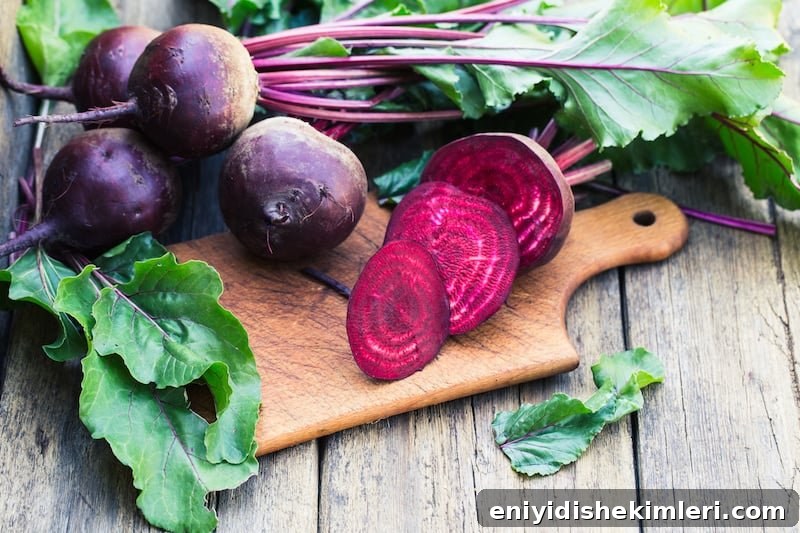
- Protect the enterosalivary circuit: Focus on a real-food diet rich in fiber and probiotics. Include healthy fats and an abundance of nitrate-rich vegetables such as leafy greens, beets, and celery.
- Prefer nose breathing: Nitric oxide has a very short half-life and must be continually produced. About 25% of overall nitric oxide production occurs in the nasal passages, so maintaining nasal breathing and moist nasal passages supports production. Some people find gentle mouth taping at night helpful to encourage nasal breathing.
- Include L-arginine and L-citrulline foods: These amino acids support nitric oxide production. L-citrulline (found in watermelon) converts to L-arginine, which with the enzyme nitric oxide synthase (NOS) enables nitric oxide production. Foods like poultry, lentils, nuts, and seeds provide L-arginine.
- Exercise regularly: Physical activity stimulates endothelial nitric oxide release, relaxing arteries and improving blood flow. Regular exercise helps maintain nitric oxide levels.
- Enjoy dark chocolate: Dark chocolate rich in polyphenols (like epicatechin) can increase nitric oxide and lower systolic blood pressure. Choose high-cocoa, low-sugar options.
- Support nasal health: Keeping the nasal passages moist and the nasal microbiome balanced supports nitric oxide production. Non-prescription saline or xylitol-based nasal sprays can help maintain moisture and comfort, particularly in dry environments.
Be cautious with dental products containing essential oils; because they can be bactericidal, they may disrupt the oral microbiome and impair nitric oxide production.
Should I Take a Nitric Oxide Supplement?
Supplements are unlikely to be effective if the oral microbiome is compromised. Consider supplements that specifically support oral health, such as probiotics designed for the mouth, and prioritize an oral care routine that nourishes beneficial bacteria—avoid bactericidal mouthwashes and toothpastes and follow a microbiome-friendly diet.
I recommend a food-first approach along with targeted supplements when needed, since modern agricultural practices can reduce nutrient density in produce. Including nitrate-rich foods regularly is a reliable strategy to support nitric oxide production.
There is reasonable evidence supporting L-arginine supplementation for certain cardiovascular conditions, though results are mixed for other uses like athletic performance or erectile dysfunction. Still, diet and oral microbiome health remain foundational.
To make it easy to add nitric-oxide-supporting foods to your diet, try salads and dishes that pair nitrate-rich vegetables with sources of L-citrulline and L-arginine. Below is a simple, refreshing recipe that combines beets and watermelon to boost dietary nitrates and provide complementary amino acids.
Stay tuned for a DIY mouthwash recipe that protects the oral microbiome while supporting the enterosalivary circuit.
To your health—and to the beneficial bacteria that help produce nitric oxide,
Dr. Mark Burhenne
Got more questions about nitric oxide? Ask me a question!
Beet and Watermelon Salad

This refreshing salad makes a great summer side dish. Serve it with grilled protein and consider pairing with nutrient-dense ingredients for additional dental and overall health benefits.
- Author: Dr. Burhenne
- Prep Time: 10 minutes
- Cook Time: 5 minutes
- Total Time: 15 minutes
- Yield: 2 people
Ingredients
Salad
- 4 cups arugula
- 1 large steamed beet, cut into 1/2-inch pieces
- 2 cups chopped watermelon, seeded and cut into 1/2-inch pieces
- 1 tbsp fresh chopped dill
- 1/3 cup toasted walnuts, chopped
Dressing
- 2 tbsp avocado oil
- Juice from 1/2 an orange
- Dash of Himalayan or Celtic sea salt
- 2 ounces goat cheese (about 4 tbsp)
Instructions
- Place arugula in a medium-sized salad bowl.
- Add beets, watermelon, dill, and walnuts.
- In a small bowl, whisk together avocado oil, orange juice, and salt.
- Pour dressing over salad and toss to combine.
- Top with pieces of goat cheese and serve.
Notes
To steam a beet: peel and cut the beet into 1/2-inch pieces. Place in a steamer basket over about 2 inches of simmering water, cover, and steam 15–20 minutes until tender.
To toast walnuts: heat a dry skillet over medium-low heat, add walnuts, and stir frequently to prevent burning. Cook 3–5 minutes until golden and aromatic. Remove from heat, cool, then chop.
Learn More: What to Eat—And What to Avoid—to Heal Cavities Naturally