If you care about longevity, don’t miss my new interview with Dhru Purohit. Oral health plays a major role in long-term health outcomes — from Alzheimer’s and rheumatoid arthritis to diabetes and sleep. Tune in to Episode #432 and share your thoughts.
This week, participants in the Oral Microbiome Reset online course can join a live discussion with Dr. David Lin, a researcher focused on the oral microbiome. If you’re interested in improving your oral ecosystem, learn more about the program and sign up for The Oral Microbiome Reset.
A common question I’ve been getting lately is:
“What’s wrong with mouthwash?”
“What about natural mouthwash?”
“I gave up mouthwash but I miss it — what should I use instead?”
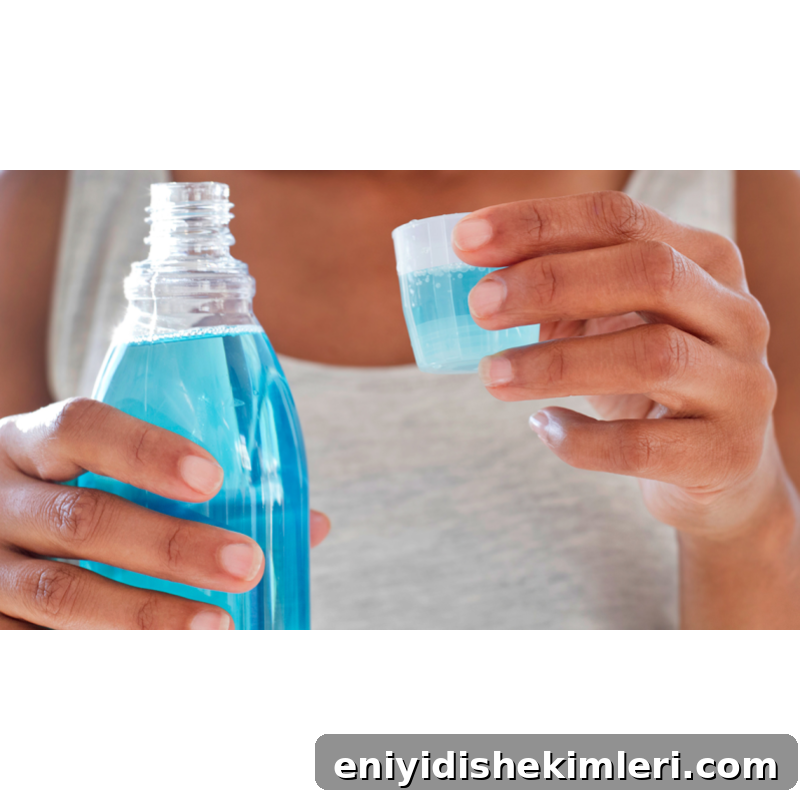
In short: mouthwash is often a waste of money and can do more harm than good. Evidence links regular mouthwash use to increased blood pressure by disrupting the oral microbiome (see the cited research). Even products marketed as “natural” commonly contain essential oils that can harm oral tissues and microbial balance.
Many mouthwashes list alcohol among their main ingredients. Alcohol dries the mouth and leads to problems with both dental and overall health. Saliva is essential for keeping teeth remineralized; a dry mouth hinders this natural protection and can increase the risk of cavities.
Consider the parallels with gut health: beneficial bacteria are crucial for digestion and influence systems throughout the body. The oral microbiome is the gateway to the gut — indiscriminately killing bacteria in the mouth with antibacterial rinses can disrupt that important ecosystem.
The pleasant minty scent of mouthwash shouldn’t be mistaken for a solution. Mint masks odors without addressing underlying causes of bad breath, which are often best treated with targeted strategies like tongue scraping or consulting a functional dentist.
That burning sensation from mouthwash comes from ingredients that irritate sensitive oral tissues — gums, tongue, and the oral mucosa. These tissues are delicate and do not need to be disinfected. Irritation and drying can worsen bad breath, contribute to mouth ulcers, and upset oral pH.
Rather than attempting to disinfect the mouth, the goal should be to nourish its delicate microbial ecosystem. Supportive practices preserve beneficial bacteria and help maintain oral and systemic health.
If you want more detail, read the article on my website about mouthwash risks and alternatives and listen to Episode #98 of my podcast, “Stop Using Mouthwash!” If you have questions after checking those resources, I’m happy to help.
Thanks for reading this edition of Mondays with Mark.
One favor: please forward this to someone who might benefit and encourage them to sign up for the free newsletter at askthedentist.com/newsletter.

P.S. What to use instead of mouthwash? An electric flosser. In my experience, an electric flosser makes a significant difference for cleaning between teeth and supporting a healthy oral environment. If you’re exploring options, consider adding an electric flosser to your routine — it’s practical, effective, and far less disruptive to the oral microbiome than antiseptic rinses.