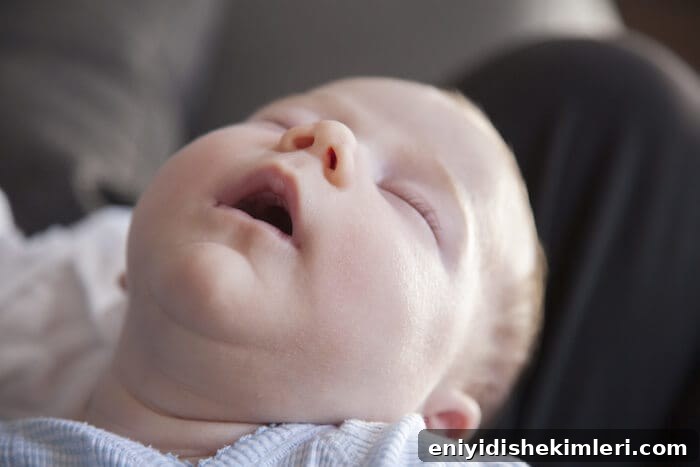
“Sleeping like a baby” evokes a night of deep, restorative rest. For infants and children, sleep is essential for growth, brain development, and overall health.
Unfortunately, many newborns and children do not get high-quality sleep. Signs such as snoring, mouth breathing, and teeth grinding or clenching can indicate sleep-disordered breathing or obstructive sleep apnea in children, which can significantly impair development.
How Does Mouth Breathing Harm My Child?
Although mouth breathing may seem harmless, it can influence how a child develops physically and behaviorally, and it can shape the adult they become. Many caregivers and even some healthcare providers may assume a child will simply “grow out of” mouth breathing, but the consequences can be serious.
Mouth breathing can adversely affect facial and airway development, potentially resulting in lasting structural changes.
How Mouth Breathing Changes Facial and Oral Development
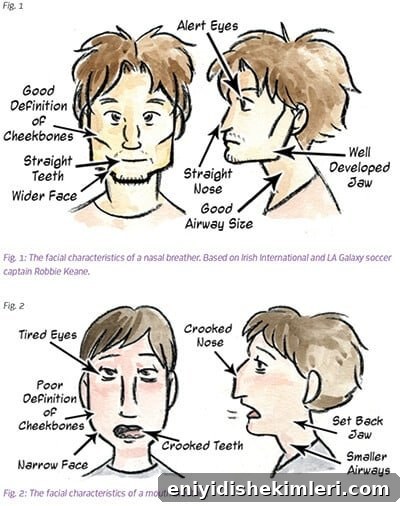
When nasal breathing is impeded, facial and dental growth can follow an abnormal pattern. Research in humans and animals has shown that chronic mouth breathing is associated with the development of long, narrow faces, misaligned teeth, a receded jaw, and an increased risk of temporomandibular joint (TMJ) problems and headaches.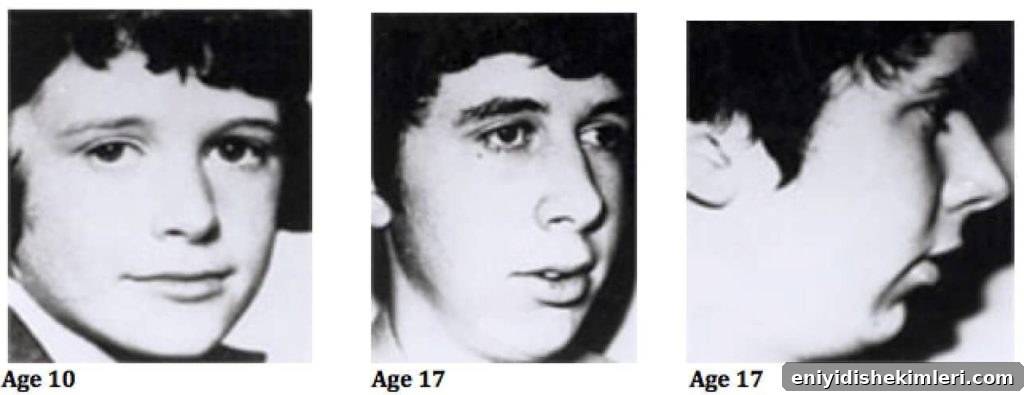
These structural changes are more than cosmetic. If the jaw and airway do not develop properly, the airway becomes more prone to obstruction during sleep. In deep sleep, when muscles relax fully, the tissues around the airway can collapse, especially if enlarged tonsils or adenoids are present.
If the airway becomes blocked, the brain shifts the child from deep sleep to a lighter sleep stage, triggering grinding or clenching as the jaw moves forward to reopen the airway and restore breathing.
Grinding and clenching are often the body’s automatic response to reopen a collapsed airway during sleep, and they can be an early indicator of sleep apnea in children.
How Mouth Breathing Impacts Behavior and Personality
Repeated interruptions of deep sleep have powerful developmental consequences.
 Deep sleep is when the body releases human growth hormone (HGH), which supports brain maturation and long-bone growth. When deep sleep is disrupted, HGH secretion is reduced. Insufficient HGH can impair physical growth and cognitive development.
Deep sleep is also the period when the body repairs and restores itself, consolidates memory, and stabilizes hormones that regulate appetite and other vital functions. When a child snores, grinds their teeth, or breathes through the mouth, sleep loses its restorative quality and the brain cannot fully recover.
Children deprived of deep, restorative sleep often appear hyperactive because their bodies produce adrenaline to counter daytime sleepiness. This state can impair learning and academic performance, and it may be misdiagnosed as attention-deficit/hyperactivity disorder (ADHD) or other behavioral conditions. Chronic sleep disruption is also associated with poorer immune function, worse overall health, and an increased risk of weight problems.
Practical Strategies for Parents
- Ensure your child can breathe comfortably through the nose. Nasal breathing is the ideal and healthiest pattern.
- Schedule a dental visit by age one. Seek a dentist who recognizes mouth breathing and understands its potential implications for growth and airway development.
- Address allergies promptly, since allergic inflammation in the nose and throat can force a child to breathe through the mouth.
- Review your child’s diet and living environment to minimize allergy triggers, such as certain foods, dust, mold, and pet dander.
- Ask the dentist if a referral to an orthodontist or ENT specialist is appropriate when mouth breathing or related signs are present.
Learn more: Mouth breathing in children requires attention because early recognition and treatment can protect growth, health, and learning potential.
References
- Pediatric Sleep Disordered Breathing/Obstructive Sleep Apnea, American Academy of Otolaryngology
- Nose Breathing for Good Health, Fitness and Correct Craniofacial Development, DentalTown
- Mouth Breathing: Adverse Effects on Facial Growth, Health, Academics, and Behavior, Yosh Jefferson, DMD