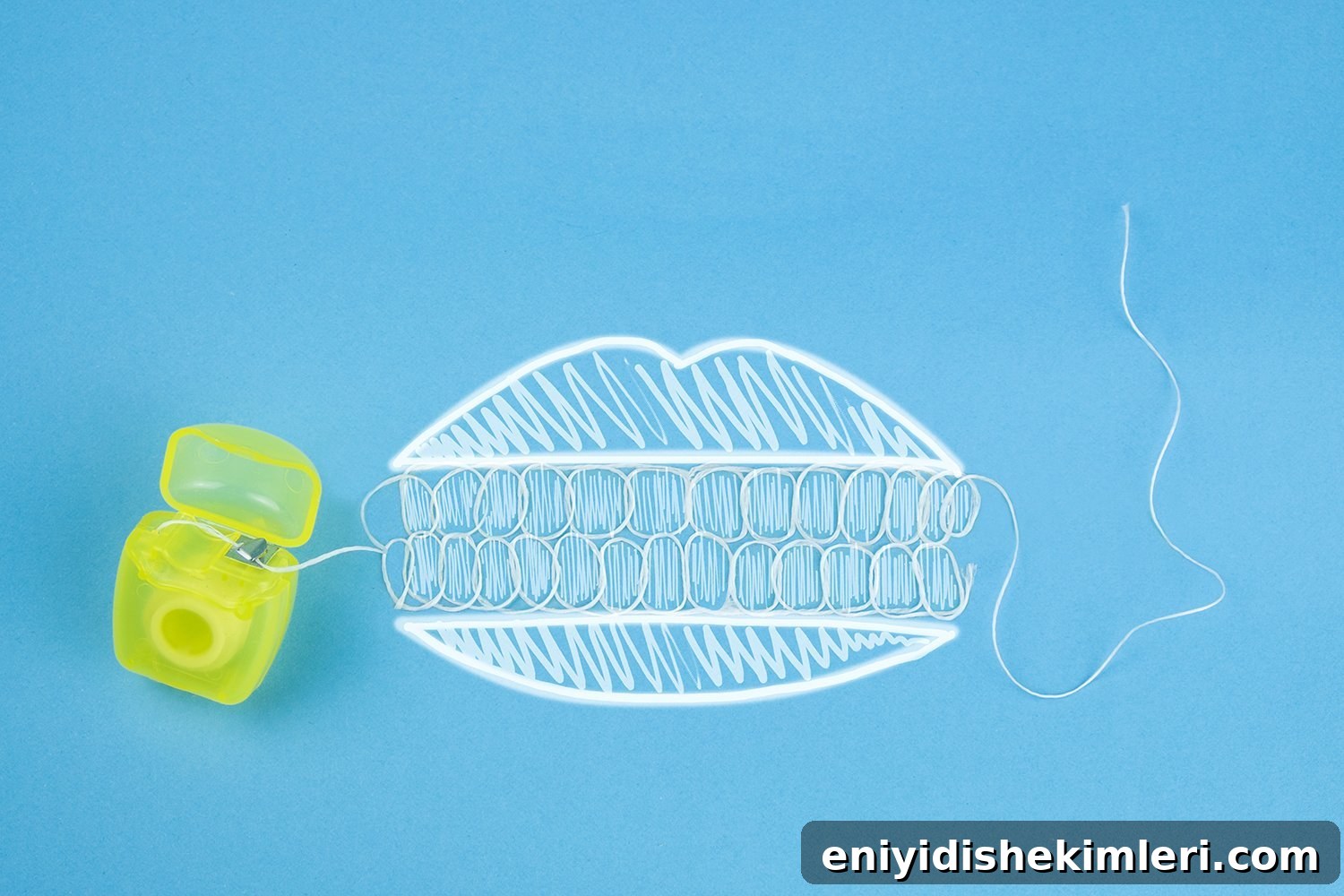
Have you ever stopped to consider whether the dental floss you use is safe?
Flossing is a vital part of oral hygiene, yet not all floss is created equal. Some manufacturers add ingredients that make floss easier to use or marketable—but those additives can carry risks.
Is dental floss toxic? In some cases, yes—certain flosses contain chemicals such as PTFE (commonly known by the brand name Teflon) or are coated with petroleum-derived waxes. Even if these materials aren’t immediately dangerous in small amounts, they raise valid concerns for personal and environmental health.
Below I explain common problematic ingredients found in floss, how they may affect health and the environment, and practical, safer alternatives for you and your family.
Common Problematic Ingredients in Dental Floss
Teflon (PTFE)
Some waxed dental flosses use PTFE, the same chemical family used to make nonstick cookware coatings. While swallowing a piece of floss is unlikely, PTFE and related chemicals such as PFOA have been associated with health problems in studies, including hormone disruption and other long-term issues.
Although exposure from floss is small compared with other sources, avoiding unnecessary contact with these chemicals is a reasonable precaution.
Petroleum-based waxes
Many conventional flosses are made from nylon or polyester and coated with petrolatum or other petroleum-derived waxes. The Environmental Working Group assigns petrolatum a moderate concern rating in personal care products. Research has shown that some petroleum-based products can become contaminated with impurities such as 1,4-dioxane, which has been linked to adverse effects in animal studies.
Topical petroleum use has been associated with certain risks in vulnerable populations and may act as an endocrine disruptor in some contexts. That said, there is no established direct link between using petroleum-coated floss and cancer or systemic disease. The exposure from routine flossing appears low—however, if a safer, comparably effective option exists, choosing it is a sensible approach.
Nylon and polyester fibers
Most dental floss on the market is made of nylon or, increasingly, polyester. Both are synthetic polymers derived from petroleum. Small fragments of these fibers can break off during flossing. The human body cannot break down these plastics, and their environmental persistence is a concern.
While nylon is not proven to be toxic in the same way as PTFE, the environmental impact of non-biodegradable floss and the pollution associated with its manufacture are important factors to consider. Between PTFE and nylon-based floss, nylon is generally a safer choice for personal health, though it remains an environmental concern.
Fragrances and flavoring agents
Flavored floss often uses synthetic fragrance chemicals, some of which are petroleum-derived and can contain phthalates or other compounds linked to hormone disruption, allergies, or other health issues. Manufacturers are not required to disclose the specific chemicals used in “fragrance,” so when choosing flavored floss, prefer products that use natural flavoring agents or clearly label their ingredients.
Is Flossing Necessary?
Yes—flossing is essential for oral health. Even if you brush thoroughly and don’t notice food stuck between teeth, microscopic bacteria and plaque can accumulate in interdental spaces. Left unchecked, this can lead to gum disease, tooth decay, and can influence overall health because oral bacteria can enter the digestive tract and bloodstream.
For many people, flossing is actually more important than brushing for interdental cleaning. If you’re following a low-carb or paleo diet you might think brushing alone is enough, but flossing remains critical to remove plaque where toothbrush bristles can’t reach.
Safer Dental Floss Options
There are several safer, more environmentally friendly alternatives to conventional floss:
100% Sustainable & 100% Non-Toxic
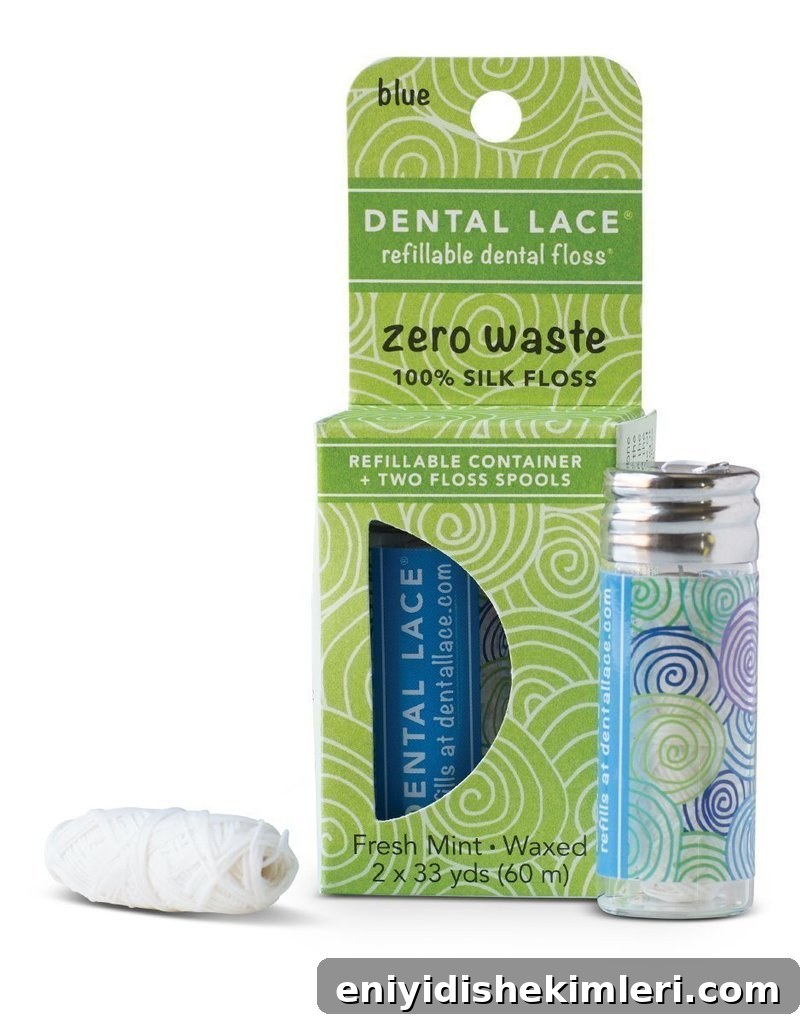
Dental Lace Refillable Floss
This option uses silk floss and comes in a reusable glass container. The floss and packaging are biodegradable and recyclable. Silk floss can break more easily than nylon, but many users accept that trade-off for better environmental performance.
Mostly Sustainable & 100% Non-Toxic
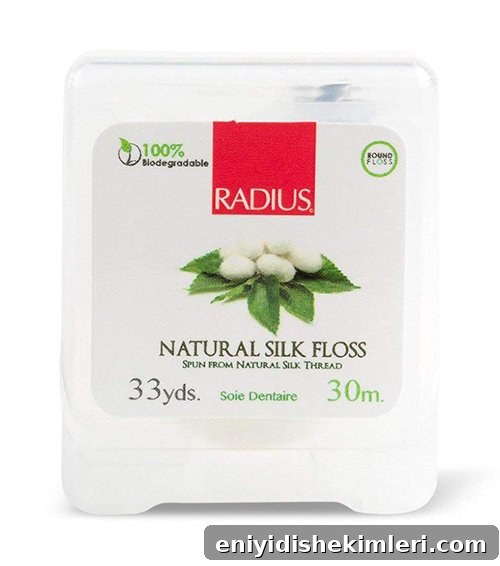
Radius Natural Silk Floss
An unwaxed silk floss that’s biodegradable. The plastic container may be recyclable, and the floss itself is an eco-friendlier alternative to nylon. Note that silk floss can be thinner and more prone to breaking.
PFAS-free
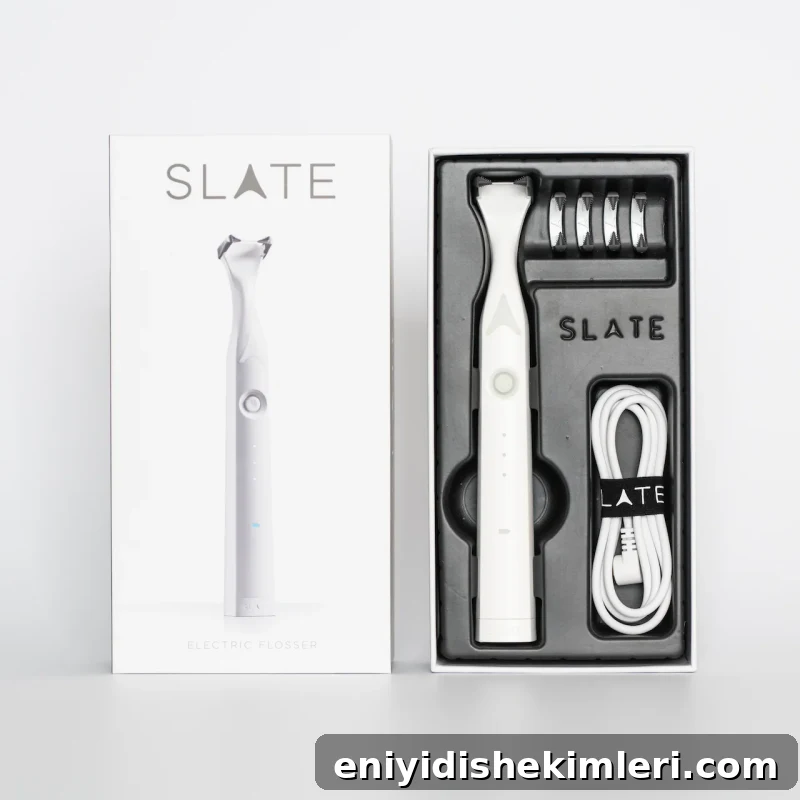
Slate Rechargeable Electric Flosser
An electric flosser with a vibratory action that helps dislodge plaque. Floss sticks and electric devices can make flossing easier for people who avoid string floss. Electric options eliminate string-related concerns entirely.
Universal Floss Handle
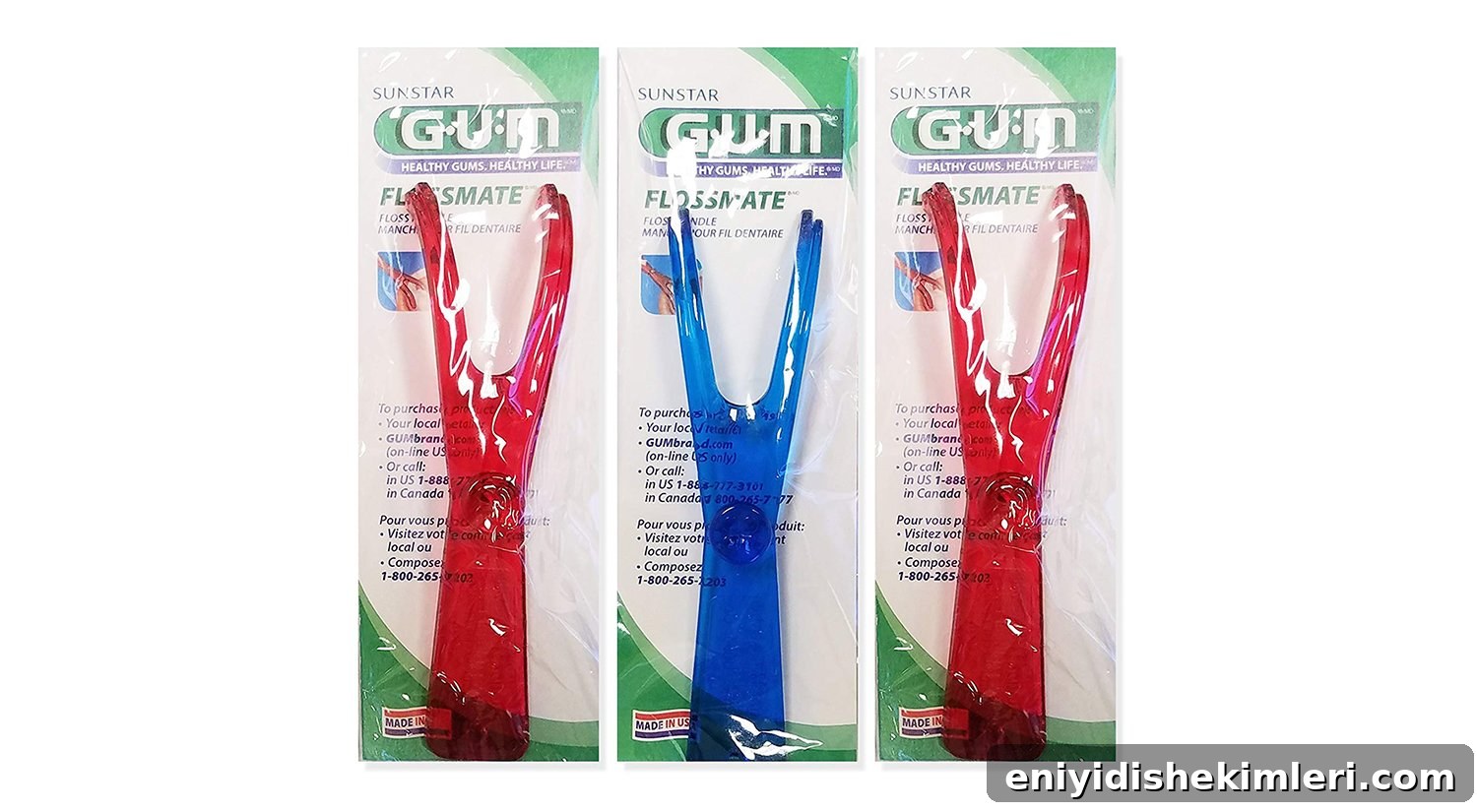
GUM Flossmate Handle
A reusable floss handle that makes managing traditional floss easier and reduces the need for disposable floss picks.
For people who dislike string floss

Waterpik Countertop
A countertop water flosser can be very effective and eliminates the need for traditional string floss, removing concerns about fiber or wax ingredients entirely. Many users find water flossers easier to use and just as effective for interdental cleaning.
Frequently Asked Questions about Safe Dental Floss
Q
Should I use waxed or unwaxed dental floss?
A
What matters most is that you floss consistently. Waxed floss can be more comfortable and slide between teeth more easily for some people, while unwaxed floss is thinner and can fit between tightly spaced teeth. Choose the type you will use regularly—the best floss is the one you actually use.
Q
Is it okay to reuse floss?
A
No. Floss accumulates bacteria, food particles and debris during use, and reusing it can reintroduce contaminants into the mouth. Floss is inexpensive; use a fresh segment each time.
Q
What are the different types of floss?
A
Common floss materials include:
- PTFE/Teflon (some waxed flosses)
- Nylon
- Silk (biodegradable)
- Polyester
Flosses may be waxed with petroleum, beeswax, coconut oil, or other coatings and can be flavored with natural or synthetic agents. You can also find floss picks and water or air-driven flossers for alternative cleaning methods.
Q
What if I hate to floss? What can I do?
A
Flossing doesn’t have to be painful or time-consuming. A few tips:
- Try floss sticks or a reusable floss handle to make the motion easier.
- Start small—floss one tooth at a time to build a habit.
- If your gums bleed initially, keep going gently; bleeding often improves as gum health recovers. Persistent bleeding should be evaluated by a dental professional.
- Consider a water flosser as a string-free alternative that many people find more comfortable and just as effective.
Q
What do you think about air/water flossers?
A
Traditional water-only devices like Waterpik are well supported by evidence and are effective for many users. Air/water hybrid devices that use both air and water may lack the power of purely water-driven models and are less consistently effective.
Summary
Certain dental flosses contain chemicals such as PTFE (Teflon) or petroleum-derived waxes that raise valid health and environmental concerns. PTFE and related chemicals have been linked to adverse health outcomes in some studies, so avoiding Teflon-coated floss is a reasonable precaution. Petroleum-waxed floss carries potential contamination concerns, though direct links to disease from floss use are not established. Nylon and polyester are not biodegradable and have environmental impacts during production and disposal.
The good news: safer, effective alternatives are available. Consider silk-based biodegradable floss, unwaxed options, reusable handles, or water flossers. Most importantly, maintain a consistent interdental cleaning habit—flossing regularly is the best step you can take to protect your oral and overall health.
If you have more questions about flossing, feel free to ask and I will respond.