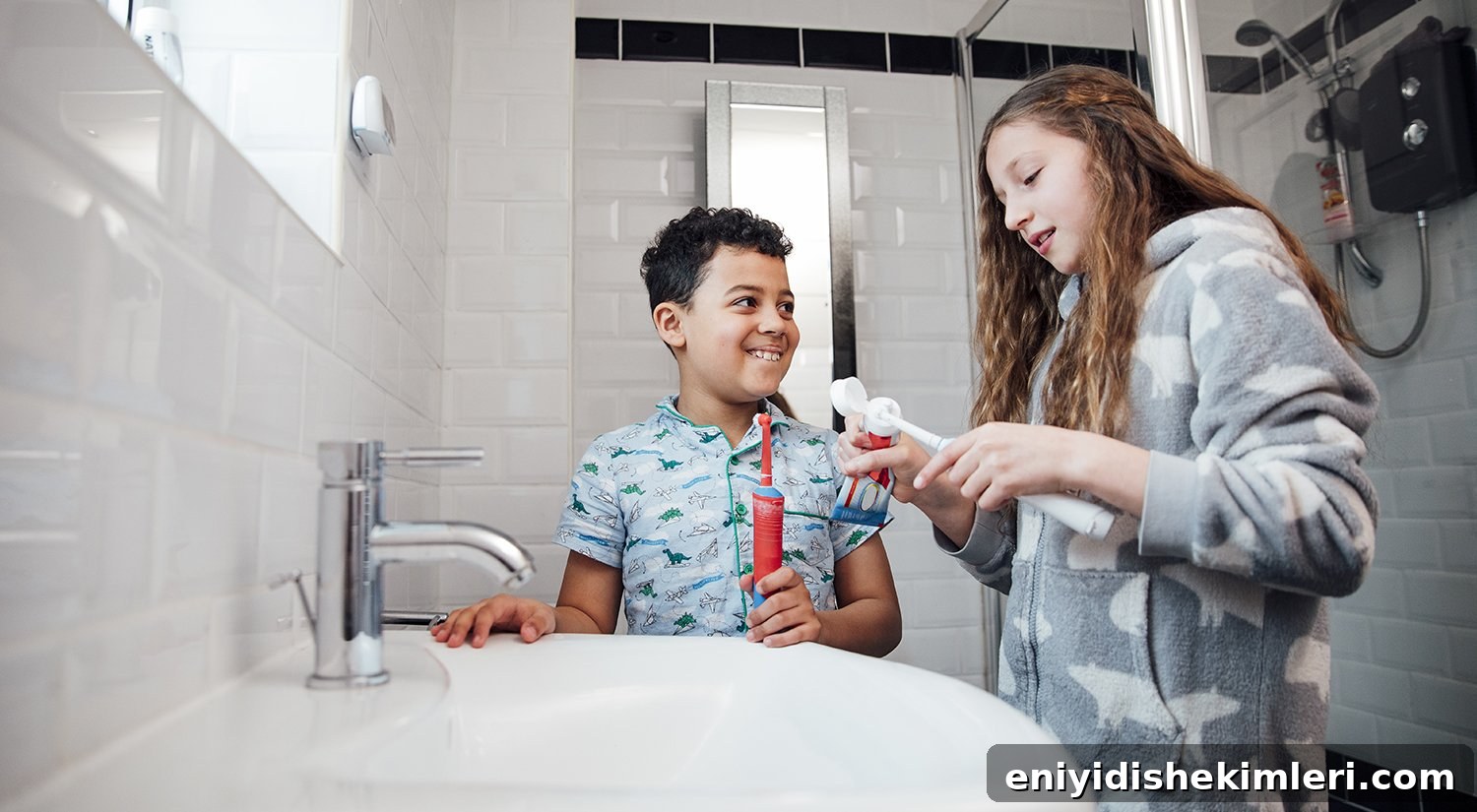
One of the questions I’m asked most often is whether parents should get their child an electric toothbrush.
Short answer: Yes.
Long answer: Be thoughtful about how and when you introduce it.
What to Know Before You Buy Your Child an Electric Toothbrush
Kids can be frightened by an electric toothbrush: They buzz, make noise and can feel strange or ticklish on gums and teeth. Children have more sensitive gag reflexes than adults, designed to protect their smaller airways, so anything placed in their mouth can feel more uncomfortable. Introducing any new brush—manual or electric—slowly and with patience makes the experience smoother and more positive for the child.
Kids look to their parents for guidance: Children copy what they see. If parents model good brushing habits and make the routine fun, children are more likely to follow suit. Demonstrate brushing, flossing and smiling around the house to normalize the routine. Turning it into a playful activity helps a child come to enjoy brushing.
Pay attention to how your child breathes: Many children are mouth breathers, which can make brushing harder because it’s difficult to breathe and brush at the same time. Mouth breathers may gag more easily and find brushing unpleasant, so introduce new brushing steps gradually and keep the experience encouraging rather than rushed.
Hold off on toothpaste at first: Young children don’t need toothpaste until around age five. Toothpaste can complicate the experience—unfamiliar flavors or foaming textures can discourage a child from brushing. Children often brush longer with a “dry” brush, so focus first on building a consistent one- to two-minute routine without toothpaste rather than short sessions with paste.
Toothpaste is only part of effective brushing. Time spent brushing, proper strokes, a good brush head and reaching all surfaces of the teeth and gums are equally or more important.
Here’s the truth: kids don’t strictly need an electric toothbrush. But an electric brush can support better habits because children generally aren’t skilled brushers yet.
Children often can’t visualize every part of their mouth or coordinate effective brushing strokes. An electric toothbrush can reach more surfaces with less effort. Even when a parent brushes a child’s teeth, a quality electric brush can accomplish more in the limited time a child cooperates.
At what age should you buy an electric toothbrush for a child?
Electric toothbrushes can be introduced as early as age two—without toothpaste and always with supervision. Many families choose to introduce electric brushes between ages six and eight, though some children adapt sooner. Don’t force it; a negative early experience can create lasting resistance.
Often a child is ready when they ask for one—seeing a parent use an electric brush frequently motivates kids to try their own. Making brushing a family activity can help, but be prepared for spills and a little mess while kids learn.
What to Look for When Buying a Kids’ Electric Toothbrush
Parents often buy better tools for themselves than for their children, but children’s brushes should match adult quality. Low-quality brushes can have abrasive heads that may damage developing enamel.
When evaluating a children’s electric toothbrush, consider these four factors:
1. Plaque removal: The primary purpose of any toothbrush is to remove plaque consistently from all mouth surfaces. A toothbrush that leaves the mouth feeling cleaner and shows lower plaque scores between dental visits is doing its job. Effective plaque removal is crucial for preventing cavities, especially in diets high in refined carbohydrates that encourage thicker plaque buildup.
2. Head shape and size: A compact head that fits small mouths and reaches the back teeth and the areas between cheeks and molars is important for children as their mouths develop.
3. Quality of bristles: Replace toothbrush heads regularly. Higher-quality heads maintain proper shape and softness for at least three months; cheaper bristles can wear out or become sharp and risk scratching enamel. Check and replace heads as needed to protect tender teeth and gums.
4. Power source: Rechargeable brushes are preferable to single-use battery models. Many inexpensive battery-powered brushes lack consistent power and build quality. Rechargeable units with safe charging bases offer better performance and longevity.
Recommended Electric and Manual Toothbrushes for Kids
While brand preference varies, a few designs work consistently well for children. Look for small, soft heads, comfortable grips and gentle but effective motion.
Electric options commonly suggested by dentists:
Best For Comfort
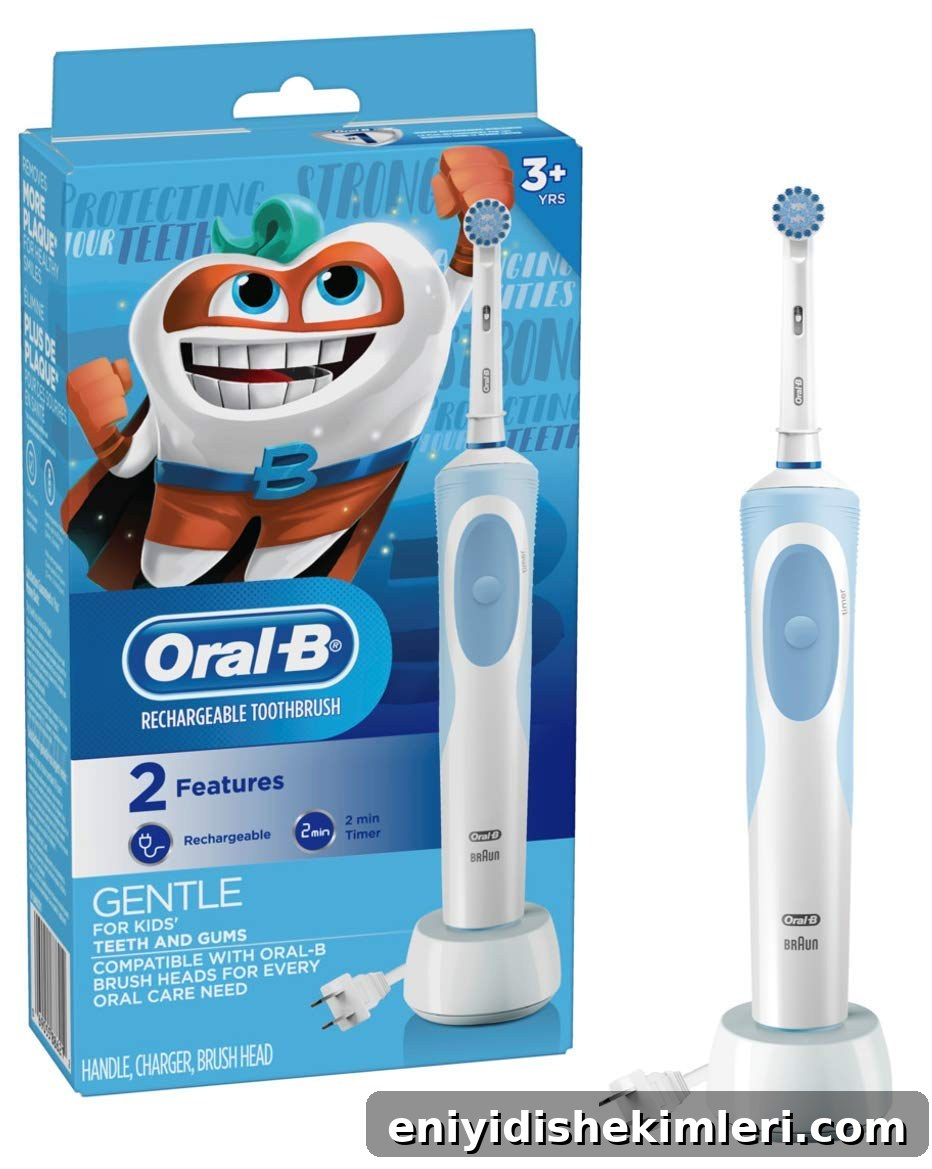
Oral B Kids Electric Toothbrush
A rechargeable brush with a small, soft round head and quality bristles. The larger grip makes it easier for children to hold, and the oscillating motion tends to be comfortable and effective at plaque removal.
A close contender is the quip Kids Electric Toothbrush, which is lightweight, easy to grip and offers gentle sonic vibrations. Its simplicity and color options make it appealing for many children.
Best For Stylish Kids
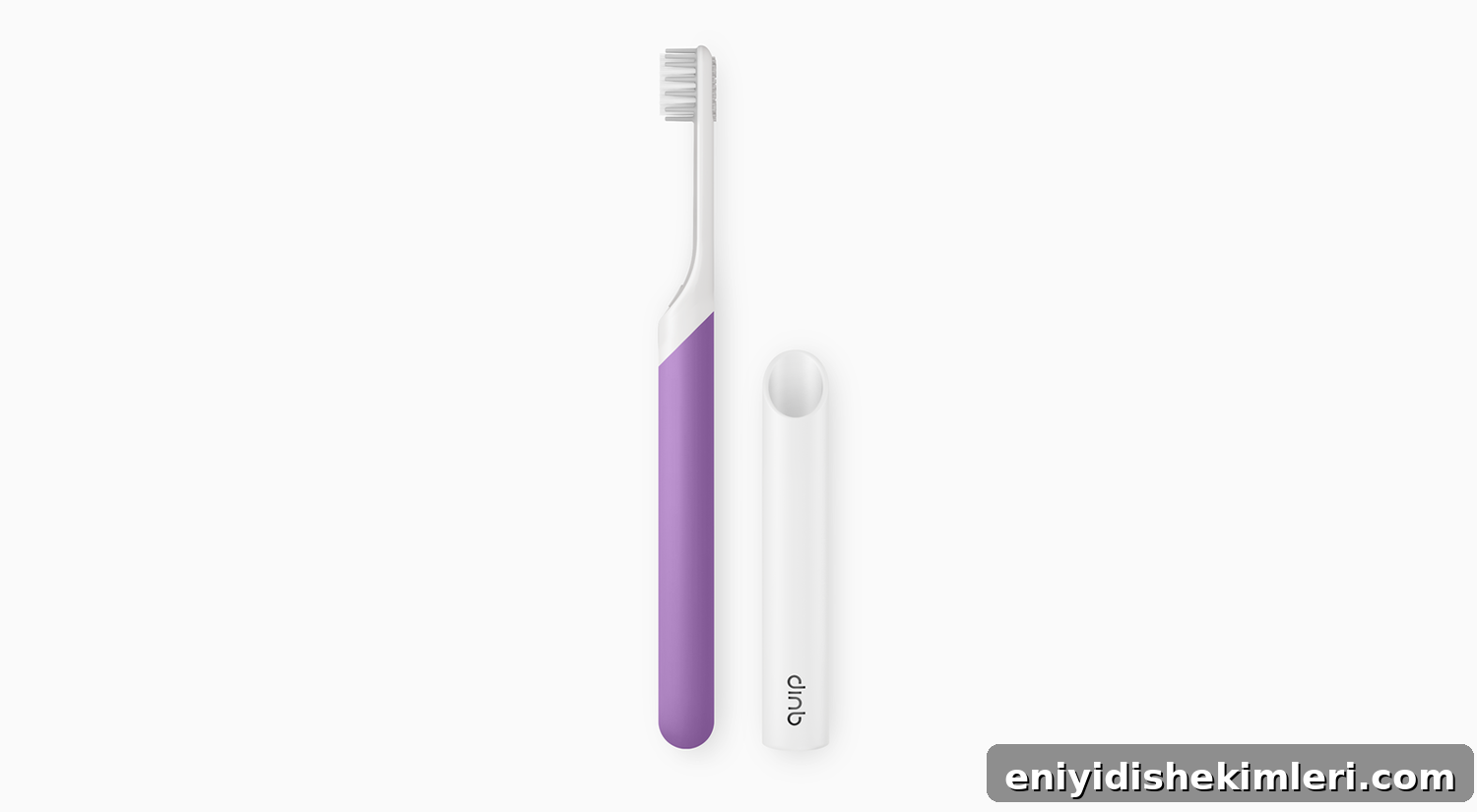
quip Kids Electric Toothbrush
A slim, easy-to-use brush available in several colors. Lightweight and gentle, with simple features that suit younger users.
Sonicare for Kids is another option designed as a gentler version of adult sonic brushes. Some children find sonic vibrations and higher pitches unsettling, and the slim grip can be harder for smaller hands. For older or more experienced children, sonic brushes can be effective.
Best For Big Kids

Philips Sonicare for Kids
Designed with pacing alerts and higher stroke rates to encourage thorough cleaning. Recommended for older, more cooperative children who tolerate sonic vibration.
If you prefer a manual toothbrush for younger children:
A compact child-sized manual brush with a soft head—such as a child-specific Oral-B manual toothbrush—works well for ages two to four, especially for mouth breathers who might struggle with powered brushes. Character designs can also make brushing more appealing to little ones.
Best For the Growing Kid

Oral B Pro-Health Stages Manual Toothbrush
A cushioned head and soft bristles protect tender gums while helping reach back teeth. Suited for children in the early school years.
For children under two, a very soft, small toothbrush designed for infants and toddlers is best. These tools are gentle on gums and sized for tiny mouths.
Best for Kids Under Two
Radius Totz Manual Toothbrush
Designed for small teeth and gums with safe, soft materials that are gentle for infants and toddlers.
One last, important note: When parents brush their child’s teeth—commonly from the first tooth up to around age eight—don’t assume your own toothbrush is suitable. Choose a brush designed for children and consider buying a child-sized version of the model you use so you can brush together. First impressions matter: a comfortable, child-friendly brush helps form lifelong, positive habits.
Ultimately, children learn by example. If parents model consistent, gentle brushing and make it an enjoyable family routine, a child is far more likely to adopt and keep healthy oral habits.