Today’s topic is another striking example of how advances in oral microbiome research are changing traditional dental thinking.
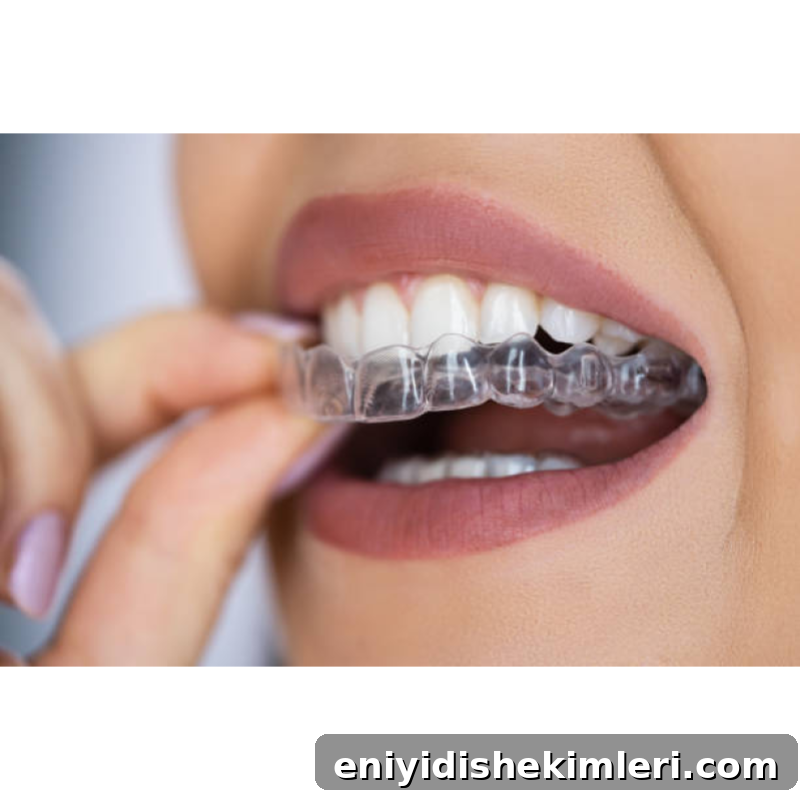
Clear aligners look sleek and convenient, but they may not be as harmless to your teeth as they seem. When removable clear aligners like Invisalign first became popular, they promised an attractive alternative to brackets and wires: an appliance you could remove to brush and floss, theoretically avoiding common issues like white spot lesions.
White spot lesions (WSLs) are chalky, pale areas on the enamel that signal early demineralization. For decades we understood WSLs as a frequent side effect of fixed orthodontic appliances—brackets and wires create small ledges where plaque accumulates, and that persistent plaque can lead to lasting white scars on the teeth.
Because clear aligners are removable, many assumed they removed the risk entirely. Recent research, however, shows that this assumption is incorrect. Although the incidence is lower than with traditional braces, clear aligners are still associated with WSLs. A recent study found that about 35% of young patients developed white spot lesions during aligner treatment, compared with roughly 45.8% for fixed appliances—meaning the risk is reduced but not eliminated.
How does this happen if aligners can be removed for cleaning? The aligners cover a larger surface area of the teeth and change the local environment in the mouth. Wearing an aligner limits the enamel’s exposure to saliva, which normally helps neutralize acids and deliver minerals that protect the teeth. In addition, the presence of the appliance alters the oral microbiome, creating conditions that can promote demineralization.
If your dental provider suggests that clear aligner therapy carries no risk of white spot lesions, it’s worth discussing the latest findings. And if you are considering or already using clear aligners, there are practical steps you can take to reduce your risk:
Recommendations for patients using or considering clear aligners:
- Rinse and chew sugar-free gum after eating: Rinse your mouth with water after meals, snacks, and sugary drinks to remove debris. Chewing xylitol gum stimulates saliva flow and helps neutralize acids.
- Consider an oral probiotic: A targeted oral probiotic can help support a healthier oral microbiome and may reduce the risk of demineralization when used alongside good hygiene.
- Care for aligners gently: Avoid brushing aligners with abrasive toothpaste, which can roughen their surface and encourage plaque buildup. Use a recommended cleaning pod or gentle cleaning solution designed for aligners.
- Use remineralizing products with proven ingredients: Toothpastes or varnishes that contain nano-hydroxyapatite (nano-HAP), arginine, and prebiotics support enamel remineralization and help counteract white spot lesions. Incorporating a biomimetic remineralizing product into your daily routine can be especially helpful during aligner therapy.
- Maintain nasal breathing and protect saliva function: Mouth breathing dries the oral environment and accelerates enamel demineralization. If possible, keep your mouth closed and breathe through your nose. For those who struggle with nasal breathing, consider addressing the issue with your healthcare provider before or during orthodontic treatment.
If you have questions about white spot lesions, aligner care, or how the oral microbiome affects dental health, feel free to reply.
Warm regards,
Dr. Mark Burhenne

P.S. I link recommended products for aligner care and oral health in my shop.