
When teething leaves your baby fussy, irritable, and reluctant to nap or feed, your priority is to provide safe relief. Many conventional teething remedies can be toxic or pose choking hazards and should be avoided. Fortunately, there are natural, effective methods to soothe your baby’s sore gums without unnecessary risk.
Every baby’s teething experience differs—I’ve raised three daughters and each teethed differently—but it’s important to remember teething is a normal and necessary stage of development. Teething helps prepare the mouth and jaw for future growth and the eruption of teeth, so supporting the process while easing discomfort matters.
This article outlines common teething timelines and symptoms and offers the safest natural remedies to help your baby through each stage.
What is teething?
Babies are born with a full set of teeth under the gums. Teething is the process where those teeth push through gum tissue. Some infants cut teeth with little fuss, but many become uncomfortable as teeth break through the gums.
Baby teething schedule
Babies develop at their own pace. Teeth often begin to appear around six months and the typical process finishes by around age three. A few babies are even born with visible teeth, though that’s uncommon. Below are average timelines for the eruption of baby teeth:
- 3–6 months: Early signs can include tender, swollen gums and increased fussiness.
- 6–12 months: Front teeth (incisors) usually appear during this period. These teeth have sharp edges and often push through with less trouble.
- 12–22 months: First molars and canines typically erupt now. Molars can be more uncomfortable because of their broader surface; in some children they may even cause mild bleeding.
- 22–33 months: Second molars usually come in during this age range and can also be particularly painful.
Common teething symptoms
While each child is unique, common signs that a baby is teething include:
- Swollen or tender gums
- Increased crying and irritability
- Slight fever (usually under 101°F)
- A desire to gnaw or chew on firm objects to ease pressure
- Excessive drooling
- Temporary changes to eating or sleeping patterns
Watching your child suffer is hard, but remember teething is natural. If symptoms are mild and short-lived—typically a few days to a couple of weeks for each tooth—there’s usually no cause for alarm.
However, not all symptoms that appear during teething are caused by teething. High fevers and other more serious signs warrant medical attention. Contact your pediatrician if your child experiences:
- Rash
- Diarrhea
- Vomiting
- Cough
- Significant nasal congestion
- High fever
How to know if your baby is teething
There’s no single definitive test for teething, but age and the symptoms above can give you a good indication. Your pediatrician or pediatric dentist can help confirm teething, especially after the first teeth appear. You can also gently feel your baby’s gums with a clean finger to detect firm spots where a tooth may be pushing through.
The problem with some conventional teething remedies
Many over-the-counter and home remedies have risks. Topical numbing creams and gels often contain benzocaine or lidocaine, which are not recommended for infants because they can cause serious side effects. Some homeopathic teething tablets have contained belladonna, a toxic compound, and have led to warnings and recalls in the past. Frozen plastic teethers can cause frostbite or bruising, and some plastic teethers contain chemicals such as BPA. Liquid-filled rings can burst and may harbor bacterial contamination. Finally, amber necklaces and bracelets, while presented as natural, pose choking and strangulation hazards and should not be used on babies.
Safe, natural teething remedies
You can safely comfort your baby using simple, natural approaches that reduce pain without introducing unnecessary risk. Effective options include:
Gum massage
Gently massaging your baby’s gums with a clean finger can provide immediate relief by reducing pressure and increasing comfort.
Chamomile
Chamomile has mild calming properties and can help ease irritability. Some parents use cooled chamomile tea soaked into a clean cloth for the baby to chew on or make chamomile popsicles. Use products formulated for infants carefully and always follow your pediatrician’s guidance before introducing herbal remedies.
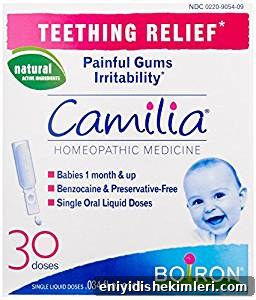
Boiron Camilia Chewing Tablets
Teething gloves
Teething mitts or gloves fit over baby’s hands and feature a soft, chewable surface—often silicone—that soothes gums and prevents babies from scratching their faces. They are useful because they move with the baby and reduce the need to hand objects back and forth.

Munch Mitt Teething Mitten

Nuby Teething Mitten
Wooden teethers
Solid wooden teethers are a natural alternative to plastic. Properly finished with baby-safe oils and maintained clean, wood teethers are firm enough to provide relief while avoiding risks associated with frozen rings or chemical exposure.
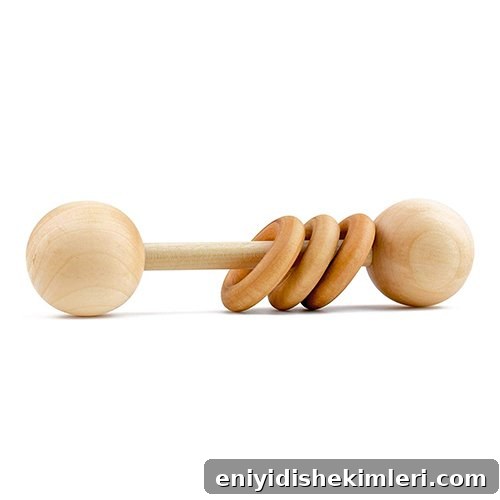
Homi Baby Wood Rattle
Mesh feeders
Mesh feeders allow cooled (not frozen) fruits or vegetables to be chewed safely without the choking risk of large pieces. They provide soothing pressure on gums and introduce fresh, whole foods instead of processed teething biscuits. Always supervise your baby while using a mesh feeder.
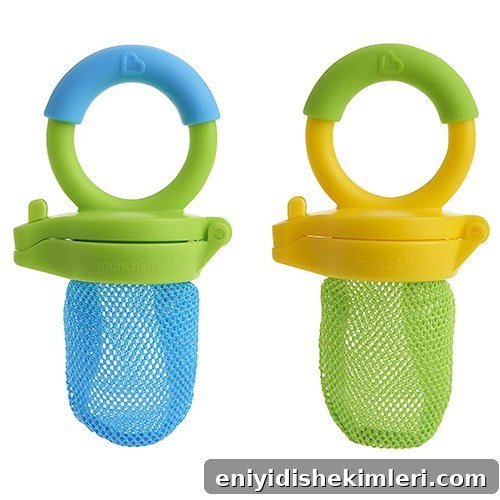
Munchkin Fresh Mesh Food Feeder
Refrigerated damp washcloth
A cool, clean, damp washcloth kept briefly in the refrigerator provides a soft, soothing surface for babies to chew on. It’s simple, effective, and low-risk.
DIY popsicles
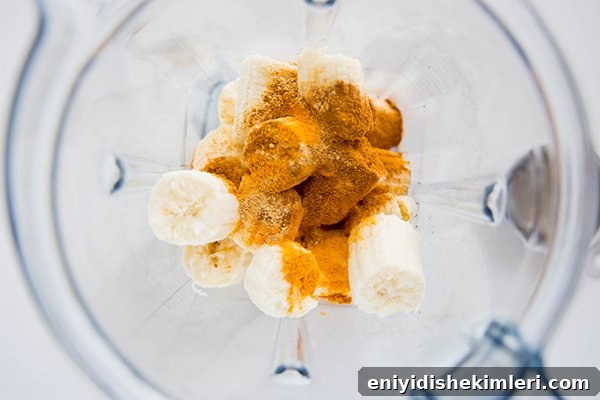
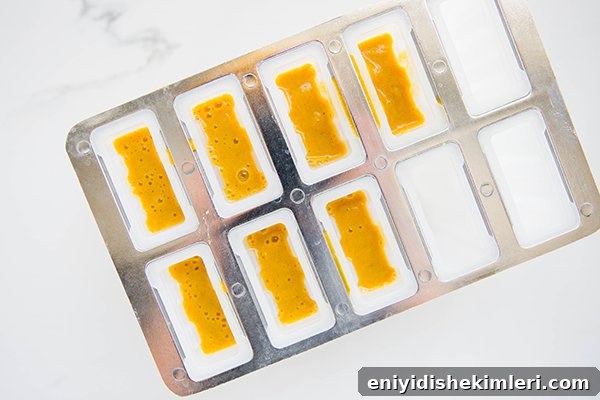
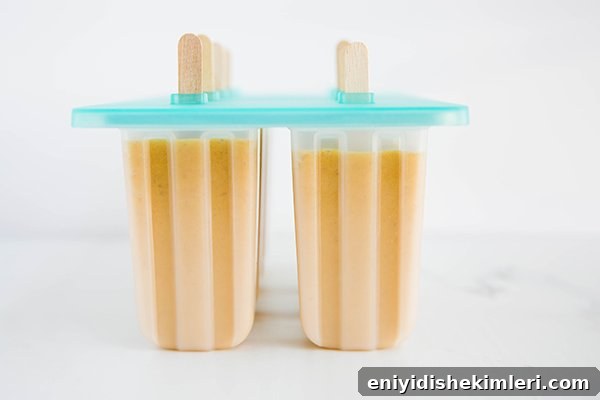
Cold homemade popsicles made from baby-friendly ingredients can soothe inflamed gums. A simple blend of ripe banana, a small amount of turmeric, a touch of ginger, and coconut water can be frozen into molds. The cold reduces pain while certain spices have mild anti-inflammatory properties. Thaw briefly before offering to the baby and supervise all feeding.
Turmeric Popsicles for Gums

Turmeric can stain, but these popsicles soothe sore gums with minimal added sugar. They rely on natural fruit and coconut water to keep the recipe gentle and baby-friendly.
- Author: Dr. Burhenne
- Prep Time: 5 minutes
- Cook Time: 65 minutes
- Total Time: 1 hour 10 minutes
- Yield: Makes 7–8 popsicles
Ingredients
- 4 ripe bananas
- 1/2 teaspoon turmeric
- 1/8 teaspoon ginger
- 1/8 teaspoon cinnamon (optional)
- 1/2 cup coconut water
Instructions
- Add all ingredients to a blender and blend until smooth.

- Pour the mixture into popsicle molds and freeze for at least one hour.
- Thaw for about five minutes before serving to soften slightly.
Conclusion
Teething can be challenging for both babies and caregivers, but the outcome—a healthy smile—is worth the temporary discomfort. Try gentle, natural remedies such as gum massage, refrigerated damp washcloths, wooden teethers, teething mitts, mesh feeders, and soothing popsicles. Distraction and fresh air can also do wonders—sometimes a short walk or new activity is the best remedy.
After your baby’s first tooth appears, schedule the first dental visit to begin healthy oral care early. Caring for baby teeth helps ensure proper dental development and prevents conditions like early childhood tooth decay.