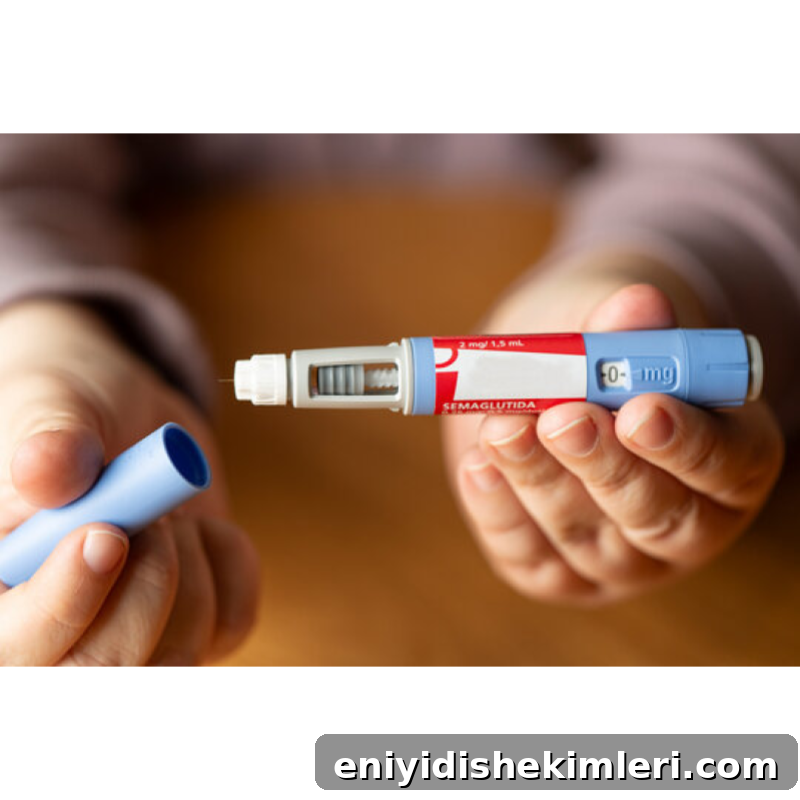
If you’re taking Ozempic, Wegovy, Mounjaro, or Zepbound, there’s an important oral-health concern many prescribers don’t always explain: these GLP-1 medications can seriously affect your mouth. You may have noticed symptoms already. Because prevention is far better than costly dental repairs, here’s what’s happening and practical steps you can take now to protect your teeth and gums.
The Problem: Three Ways GLP-1 Medications Impact Oral Health
GLP-1 drugs suppress appetite by slowing gastric emptying. That same mechanism can trigger a chain of changes in the mouth that increase risk for decay and gum disease.
1. Severe Dry Mouth (Xerostomia)
Semaglutide and related compounds can reduce saliva production by affecting salivary gland function. Saliva is the mouth’s primary defense: it buffers acids, washes away food debris, and helps remineralize enamel. Reduced saliva leaves teeth vulnerable to rapid decay.
2. Delayed Gastric Emptying and Acid Exposure
Slower stomach emptying can promote bloating, nausea, and reflux. Repeated exposure to stomach acid damages enamel and accelerates demineralization, especially when saliva is low.
3. Disrupted Oral Microbiome
Reduced saliva and frequent acid exposure change the oral environment. When the natural buffering and antimicrobial functions of saliva decline, pathogenic bacteria can overgrow, increasing the likelihood of:
- Accelerated tooth decay
- Gum inflammation and periodontal disease
- Persistent bad breath (halitosis)
- Faster plaque buildup
Together, dry mouth, acid exposure, and a disrupted microbiome can make cavities and gum problems develop far faster than the usual six-month checkup interval can catch them.
Immediate Steps You Can Take
If you’re on any GLP-1 medication, follow a targeted oral-care plan now rather than waiting until your next dental visit.
1. Support Saliva Production with Zinc
Zinc supports salivary gland function and can stimulate saliva secretion through specific receptors in gland cells. Many people don’t get enough zinc from diet alone.
Recommendation: Consider a quality zinc supplement in the 15–30 mg daily range, after discussing with your clinician to confirm it’s appropriate for you.
2. Protect Cellular Energy with CoQ10
Salivary glands require cellular energy to produce saliva. Coenzyme Q10 supports mitochondrial energy production and ATP synthesis, which can help tissues under metabolic stress.
Recommendation: 100–200 mg of CoQ10 daily may support glandular function and overall tissue health; consult your provider before starting.
3. Support Anti-Inflammatory Response with C15:0
Oral inflammation can contribute to systemic risk. Pentadecanoic acid (C15:0) is an odd-chain fatty acid that emerging research links to anti-inflammatory effects. Supporting systemic inflammation control can help oral tissues recover and resist damage.
Recommendation: 100–200 mg of C15:0 daily may be beneficial; discuss use with your clinician.
4. Improve Hydration with Magnesium
Magnesium helps the body retain water. When you’re experiencing dry mouth, ensuring proper hydration is important because water helps saliva production. Magnesium supports cellular hydration and can prevent excessive fluid loss.
Recommendation: Use a high-quality magnesium supplement as directed and stay consistently hydrated throughout the day.
5. Strengthen Enamel with Nano-Hydroxyapatite
Rebuilding and protecting enamel is essential when you face increased acid exposure. Nano-hydroxyapatite is the mineral form of tooth enamel and can help fill micro-lesions and restore mineral content on the tooth surface.
Recommendation: Brush twice daily with a toothpaste that contains nano-hydroxyapatite to support enamel repair and resistance to acid attack.
6. Rinse with Water After Meals
After eating or experiencing reflux, rinse vigorously with water to dilute and remove acids and food particles. Do not brush immediately after an acid exposure, because softened enamel can be abraded—rinsing and waiting for saliva to re-establish pH is safer.
7. Increase Professional Cleaning Frequency
Switch routine dental cleanings from every six months to every three to four months while you’re on GLP-1 therapy. More frequent visits let your hygienist remove buildup sooner and identify early demineralization while it’s still reversible.
8. Consider Xylitol Gum
Chewing xylitol gum after meals stimulates mechanical saliva flow and favors beneficial oral bacteria. Aim for a xylitol-containing gum without microplastics—look for natural bases such as chicle when possible.
9. Find a Functional or Preventive-Minded Dentist
Many dentists currently don’t link GLP-1 medications to oral changes. Seek a dentist who understands oral-systemic connections and will proactively manage your increased risk rather than treating problems only after they appear.
I’m not advising anyone to stop their prescribed medication—that decision belongs to you and your doctor. But if you are taking these drugs, protecting your mouth is essential because the risks are real and, in many cases, preventable.
Mark

References & Further Reading
Relevant studies and reviews have explored zinc and salivary function, CoQ10 and cellular energy, and emerging data on odd-chain fatty acids and inflammation. Consult published literature and discuss any supplement use with your healthcare provider before beginning a new regimen.