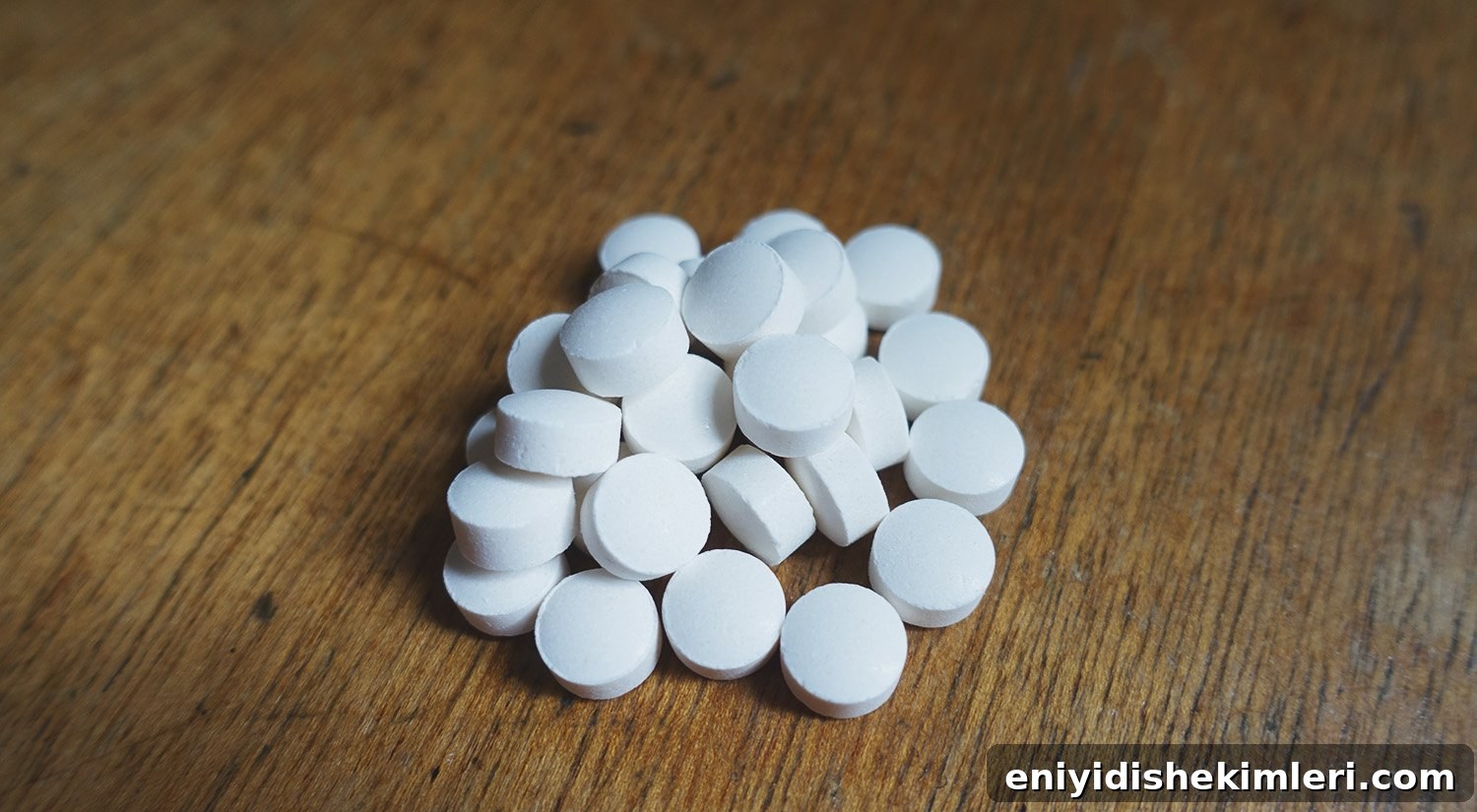
Probiotics are live microorganisms, mainly bacteria, that can support oral health — from reducing bad breath and cavities to improving gum condition.
Evidence for oral probiotics spans years of research, although large-scale human clinical trials remain limited. Many patients, however, are still unaware of the potential benefits dental probiotics can provide.
What are dental/oral probiotics?
Oral or dental probiotics are specific bacterial strains selected to support a healthy mouth. They promote beneficial microbes and help suppress harmful, disease-causing species.
The mouth hosts a diverse community of microbes known as the oral microbiome. Dental probiotics act like gut probiotics in that they introduce helpful commensal bacteria to rebalance that ecosystem. However, oral probiotics are most effective when delivered directly into the mouth — via lozenges, chewable tablets, probiotic drinks, milk, or specially formulated toothpaste — rather than being swallowed in standard gut probiotic capsules.
Delivered properly, these probiotic strains can colonize oral surfaces and form biofilms that support oral health. They may also strengthen local immune responses in the mouth.
Do oral probiotics really work? Yes. Oral probiotics have been shown to improve oral health, particularly when a person’s oral microbiome is out of balance (dysbiosis). Several studies report benefits with minimal side effects, though more research is needed to define optimal strains, doses, and delivery methods.
Oral vs. Gut Probiotics
The main differences are the microbial strains used and how they are delivered. Gut probiotics contain strains adapted to survive the acidic environment of the stomach and colonize the intestines; they are usually encapsulated to resist gastric acid and increase survivability. Oral probiotics consist of strains tailored to the oral microbiome and are designed to remain in the mouth long enough to adhere to surfaces and form protective biofilms.
What are the Best Probiotic Strains to Take?
Strains commonly considered beneficial for oral health include:
- Lactobacillus reuteri
- Lactobacillus salivarius
- Streptococcus salivarius K12
- Streptococcus salivarius M18
- Lactobacillus paracasei
- Lactobacillus sakei
Oral probiotics are generally provided as lozenges, chewable tablets, mouth rinses, or drinks so they can dissolve and remain in the mouth long enough to inoculate the oral microbiome.
Benefits of Dental Probiotics
A balanced oral microbiome supports overall oral health. Dental probiotics can help prevent or manage many oral conditions, including:
- Cavities
- Gingivitis and periodontitis
- Oral thrush (candidiasis)
- Bad breath (halitosis)
- Respiratory infections
- Tonsillitis
- Potential links to oral cancer risk reduction (research ongoing)
Beneficial strains can form protective biofilms that replace those produced by harmful bacteria. These biofilms help reduce inflammation, protect enamel and gum tissue, and block pathogenic species from establishing themselves.
1. Oral Probiotics for Cavities
Cavities form when plaque bacteria metabolize sugars and produce acids that erode enamel. Addressing early-stage decay with diet and lifestyle changes can sometimes halt or reverse damage, while advanced decay requires dental treatment. Oral probiotics may reduce plaque and lower cavity risk by improving oral immunity, producing antibacterial compounds, preventing harmful bacteria from attaching to teeth, moderating pH, and supporting saliva qualities that aid remineralization.
Strains associated with cavity prevention include L. acidophilus, L. paracasei, L. rhamnosus, L. reuteri, L. casei, L. salivarius, certain Bifidobacterium species, and S. thermophilus. Clinical trials to date show promising results but vary in strains, doses, and study duration, so exact recommendations are not yet definitive.
2. Oral Probiotics for Gingivitis & Periodontitis
Gum disease is a common chronic inflammatory condition that can lead to tooth loss and is linked with systemic conditions like diabetes and heart disease. Clinical trials indicate that certain oral probiotics can reduce gum inflammation, bleeding, plaque below the gum line, gingival index scores, and pocket depths. L. reuteri and L. brevis are among the strains associated with improved gum health.
3. Oral Probiotics for Candidiasis/Oral Thrush
Oral thrush, caused by Candida species such as C. albicans, often reflects dysbiosis in the mouth. Reducing dietary sugars and carbohydrates that feed yeast and introducing targeted oral probiotics can help suppress candida growth. Lactobacillus species and S. salivarius K12 have shown activity against candida biofilms and can improve related symptoms when used alongside dietary changes.
4. Oral Probiotics for Halitosis/Bad Breath
Studies indicate that some oral probiotics can lower volatile sulfur compounds (VSCs), the main chemicals behind bad breath, and improve perceived breath odor. Strains often used for halitosis include S. salivarius K12 and M18, L. salivarius, L. reuteri, and L. casei. Unlike antiseptic mouthwashes that kill both harmful and beneficial microbes, probiotics aim to restore a balanced microbial community.
5. Oral Probiotics for Respiratory Infections
Oral probiotics may reduce the risk of upper respiratory infections, particularly in children. Strains such as S. salivarius K12 and M18, L. reuteri, L. sakei, L. paracasei, and L. gasseri have been studied for their potential to crowd out pathogenic streptococci and lower infection rates in experimental and clinical settings.
6. Oral Probiotics for Tonsillitis
Recurrent tonsillitis can sometimes improve with targeted oral probiotics. S. salivarius K12 has been associated with symptom relief and improved upper respiratory tract microbial balance in short-term clinical trials.
7. Oral Probiotics for Oral Cancer
Some preliminary reviews suggest certain probiotic strains might influence processes linked to oral cancer development. Strains under investigation include L. rhamnosus GG, L. plantarum, Acetobacter syzygii, and L. salivarius REN. However, current evidence is not sufficient to claim probiotics can prevent or treat oral cancer in humans; more research is required.
How long do oral probiotics take to work?
Some people notice changes within a week, but most clinical studies run for 2–4 weeks, and studies on cavity development can last 9–12 months. A common clinical recommendation is to try a baseline course of 2–3 months to assess benefit.
How to Take Oral Probiotics
Chewable tablets or lozenges are generally the most effective delivery methods because they dissolve slowly and expose oral surfaces to beneficial bacteria. For probiotic bacteria to thrive, consume prebiotic-rich foods that feed them.
Prebiotic foods that support beneficial oral bacteria include onions, raw dandelion greens, garlic, artichokes, unripe bananas, chicory root, asparagus, leeks, raw jicama, apples, cocoa, and flaxseeds. Daily intake of prebiotics enhances the likelihood that probiotics will colonize and persist in the mouth.
Q: Should I take oral probiotics in the morning or at night?
A: The best time is typically in the morning after completing your oral hygiene routine, so the probiotic can remain in the mouth and start to colonize.
How to Choose the Best Oral Probiotic
Select products formulated for oral use with appropriate strains and a reasonable colony-forming unit (CFU) count — many manufacturers suggest at least several billion CFUs. Oral probiotic products typically have lower CFU counts than gut-focused supplements. Look for strains such as S. salivarius K12 or M18, L. rhamnosus, and L. reuteri, and use them as directed (chew or allow to dissolve rather than swallowing immediately).
Probiotic Foods
Incorporating fermented foods like kombucha, kimchi, yogurt, miso, natto, sauerkraut, and kefir may support overall microbial diversity. Although these foods are not targeted oral probiotic therapies, they can contribute to general oral and systemic health.
Side Effects of Dental Probiotics
Dental probiotics are generally well tolerated and considered safe for most people. Gut probiotics can sometimes cause mild stomach upset or bloating, but oral-specific side effects are rare. If you have a compromised immune system or serious medical conditions, consult your doctor or dentist before starting any probiotic regimen.
The Oral Microbiome
The oral microbiome consists of hundreds of microbial species that form biofilms on teeth, tongue, gums, and other oral surfaces. A balanced oral microbiome supports local immunity and helps prevent decay, gum disease, thrush, and bad breath. Dysbiosis is linked not only to oral disease but also to systemic conditions such as diabetes, cardiovascular disease, adverse pregnancy outcomes, obesity, COPD, pneumonia, and cognitive impairment. Maintaining a healthy oral microbial community is therefore important for both oral and overall health.
Are dental/oral probiotics right for you?
Oral probiotics are an adjunct to, not a replacement for, daily oral hygiene, a healthy diet, and routine dental care. When used alongside brushing, flossing, appropriate diet, and regular dental visits, targeted oral probiotics can be a useful tool to help restore and maintain a healthy oral microbiome and support long-term oral and systemic health.