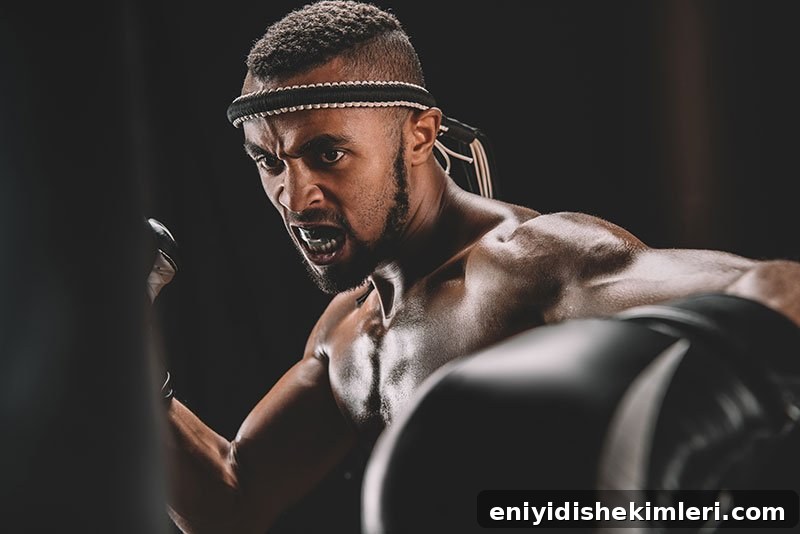
Mouthguards are often the last thing on our minds when going for a run, heading to the gym, or hopping on a bike. Yet anyone who has lost a tooth knows how different life can be with an artificial replacement. Take Peter, for example: he lost a tooth in a bike accident at age ten and now wears a veneer. It’s hard to tell his teeth aren’t all natural, but the consequences go beyond appearance. Peter needs to replace his veneer every ten years, which is costly.
Whitening is more complicated for those with artificial teeth, because veneers and similar restorations do not respond to whitening treatments. A veneer can also loosen or pop out if he chews carelessly on that side. The best solution is to protect your natural teeth so you never face those replacements and complications. A mouthguard is a simple, effective way to protect your teeth during exercise, cycling, or any activity where falls or impacts are possible.
Why Wear a Mouthguard During Exercise
Your dental insurance may not fully protect you. Dental insurance differs from medical insurance and often has low annual maximums. Many plans cap benefits around $2,000 per year. If you suffer a serious dental injury—such as losing several teeth—you could face tens of thousands of dollars in out-of-pocket expenses.
Teeth are easier to damage than you might expect. Teeth are fragile. People have broken or lost teeth doing everyday things, like biting into an apple or being bumped while holding a drink at a social event. Accidents can happen anywhere.
Dental repairs are long-term responsibilities. If you fracture a tooth as a child or teenager, you may deal with restorative work for decades. Procedures such as root canals, veneers, fillings, and bonding wear out and require replacement over time. Restorations also don’t age or stain exactly like natural teeth, meaning you may need ongoing care to maintain a consistent appearance.
Mouthguards can even improve athletic performance. Many people clench their teeth during exercise. Clenching fatigues the muscles involved and reduces oxygen efficiency, potentially impacting performance. A mouthguard helps prevent excessive clenching and can reduce muscle fatigue.
How a Mouthguard Protects Your Teeth During Exercise
You don’t need a direct blow to the mouth to damage a tooth.
During a fall, teeth can strike one another, leading to cracks, chips, or even tooth loss. A mouthguard absorbs and dissipates impact forces, protecting against chipping, fracturing, or avulsion (knocked-out teeth).
While mouthguards are commonly associated with contact sports like football and hockey, they are valuable in non-contact activities as well, including gymnastics, ice skating, and skiing. In many falls, the jaw snaps shut and teeth collide internally; those internal impacts often cause significant damage.
Nothing replaces a full set of natural teeth.
We often take our teeth for granted, but a single broken tooth can change how you speak, smile, and eat. Protecting your teeth now can prevent pain, inconvenience, and costly restorative work later.
Ask your dentist about mouthguards—custom or well-fitting over-the-counter options are the simplest, most effective ways to shield your teeth from injury and avoid long-term dental expenses.
Mark Burhenne DDS
Learn More:9 Unexpected Ways Teeth Get Chipped