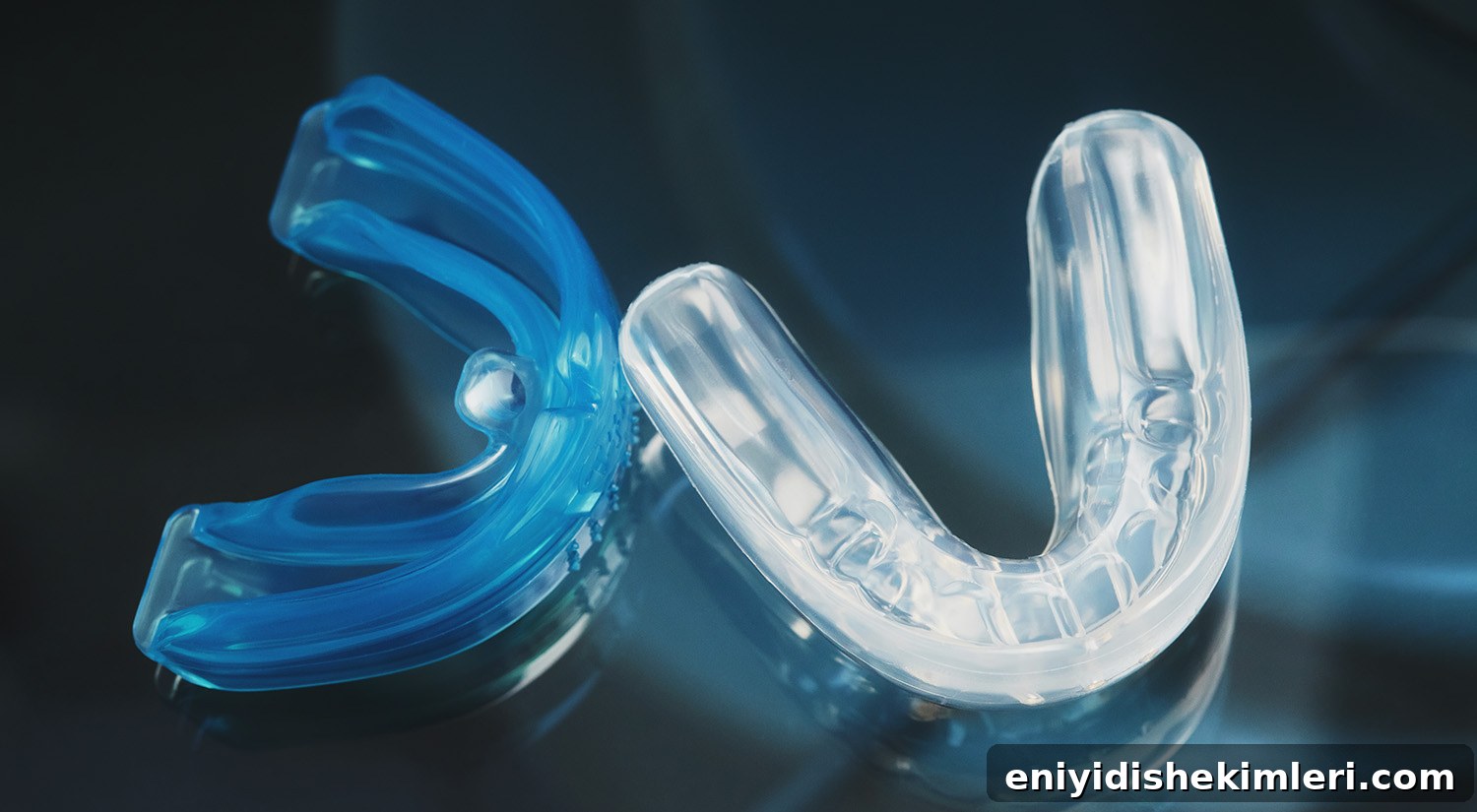
Oral appliances treat obstructive sleep apnea (OSA) by gently holding the lower jaw and tongue forward during sleep. By preventing the tongue and soft tissues from collapsing into the airway, these devices help maintain unobstructed breathing throughout the night and support better sleep quality.
What is an oral appliance? An oral appliance is a dental device that fits like a retainer or mouth guard and repositions the jaw and tongue to keep the upper airway open. Clinical research supports the use of oral appliances as an effective therapy for many people with OSA.
Obstructive sleep apnea occurs when breathing stops or is repeatedly reduced during sleep due to airway collapse. OSA affects millions of people and is frequently underdiagnosed. Typical symptoms include daytime sleepiness, loud snoring, morning headaches, dry mouth, elevated blood pressure, poor sleep quality, and teeth grinding (bruxism).
Oral appliances provide a simple, noninvasive treatment option. There are many FDA-approved devices available, and these appliances can be used alone or alongside other treatments to improve breathing and overall sleep health.
Advantages of an Oral Appliance
Many patients and clinicians prefer oral appliances because they offer several practical advantages compared with other therapies.
Do oral appliances really work for sleep apnea? Yes. By advancing the jaw and tongue, oral appliances increase airway space and reduce airway collapse, improving nighttime breathing for many people with mild to moderate OSA.
Key benefits of oral appliance therapy include:
- Greater comfort compared with CPAP masks for many users.
- Portability and ease of travel.
- Ability to speak and sip water while wearing the device.
- Potential to address a primary cause of sleep-disordered breathing and help avoid surgery in some cases.
Like a doorstop that props a door open, an oral appliance keeps the airway open during sleep. For some people, appliance therapy alone is sufficient; others benefit from combined use with positive airway pressure devices.
Continuous positive airway pressure (CPAP) remains the most common therapy for OSA, delivering a steady stream of air to splint the airway. Some patients find the continuous pressure or the mask apparatus uncomfortable, which can reduce adherence. Oral appliances offer a less obtrusive alternative that many patients find easier to use consistently.
How Oral Appliances Work to Keep Your Airway Open
Most oral appliances attach to the upper and lower teeth, similar to a retainer. Upper and lower components connect via adjustable mechanisms that limit how far the jaw can fall back. When muscles relax during deep sleep, this forward positioning prevents the tongue and soft tissues from obstructing the airway.
With the jaw and tongue advanced, the airway remains open during deep sleep cycles, allowing normal breathing while the body can still reach full muscular relaxation.
How Oral Appliances Treat Bruxism
Teeth grinding and clenching during sleep (bruxism) are often triggered by brief arousals caused by breathing interruptions. When an apnea occurs, grinding can reflexively reopen the airway. Treating the airway collapse with an oral appliance can therefore reduce or eliminate the grinding behavior by removing its trigger.
Stopping the need to grind protects tooth structure and improves restorative outcomes while supporting higher-quality sleep. Many patients who begin oral appliance therapy notice a marked reduction in grinding and related symptoms such as worn teeth, headaches, ear pain, neck pain, facial discomfort, temporomandibular joint (TMJ) symptoms, jaw popping, interrupted sleep, and sleep disruption for partners.
Because traditional night guards protect teeth but do not address airway collapse, they can sometimes worsen the underlying issue. Oral appliances target the root cause—airway obstruction—rather than only shielding teeth from grinding forces.
Side Effects of Oral Appliances
Oral appliances are generally well tolerated, but some users experience minor side effects, including:
- Dry mouth
- Increased saliva production
- Temporary tooth or jaw discomfort
- Short-term changes in bite alignment
These side effects are typically mild and often resolve as patients acclimate or after minor adjustments by the treating dentist.
Is oral appliance therapy right for you?
Appropriate for mild to moderate OSA
Oral appliances are most effective for mild to moderate obstructive sleep apnea. For severe OSA, an oral appliance alone may not provide sufficient airway opening. In such cases, alternatives include CPAP, combination therapy, or evaluation for other medical or surgical options. For patients who struggle with CPAP, combining an oral appliance with APAP or other strategies can improve tolerance and outcomes.
Can reduce or eliminate grinding and clenching
Because bruxism is frequently a response to airway obstruction, oral appliances often reduce or stop grinding by addressing the underlying cause. This can relieve TMJ symptoms and prevent further dental damage.
Choose proven, approved devices
Many oral appliances are available, but devices on established approval lists have documented clinical efficacy and longevity of use. Selecting a well-studied, professionally fitted appliance reduces the risk of ineffective or harmful outcomes.
Frequently Asked Questions
Q
What is the most effective oral appliance for sleep apnea?
A
The mandibular advancement device (MAD) is the most widely used and well-established oral appliance for mild to moderate OSA. MADs advance the lower jaw to increase airway space. Other device types, including mandibular advancement splints (MAS), mandibular repositioning appliances (MRA), tongue retaining devices (TRD), daytime-nighttime (DNA) appliances, and mandibular repositioning nighttime appliances (mRNA), are also used depending on individual needs and clinical goals.
Q
How much does an oral appliance for sleep apnea cost?
A
Costs vary, but the average price range for a professionally fitted oral appliance is typically in the low thousands. Many insurance plans treat oral appliances as durable medical equipment and offer coverage, though some insurers require a trial of CPAP before approving alternative therapies. Verify coverage with your provider and confirm preauthorization requirements.
Q
Can I go straight to an oral appliance and skip CPAP?
A
Yes, if you have confirmed mild to moderate OSA through a sleep study, you can begin oral appliance therapy without first using CPAP. Insurance rules and clinical recommendations may influence the treatment path, so discuss options with a sleep specialist or qualified dentist and confirm a formal sleep study diagnosis before starting treatment.
Q
Is an over-the-counter oral appliance as effective?
A
Over-the-counter devices are generally not recommended for treating sleep apnea. They are often poorly fitted, may position the jaw in a suboptimal way, and lack professional oversight. Improper use can worsen sleep-disordered breathing. A trained sleep medicine dentist or sleep physician should evaluate and fit an appliance to ensure safety and effectiveness.
Q
How long does an oral appliance last?
A
Oral appliances are not permanent. Depending on the device and individual use, many appliances retain optimal function for about 12 to 24 months. Regular follow-up with the treating dentist helps monitor fit, function, and wear and can inform timely replacement to maintain therapy effectiveness.
Q
If I grind or clench, can I still get an oral appliance?
A
Yes. Because bruxism is often secondary to airway collapse, oral appliance therapy can both treat sleep apnea and reduce grinding. Seek a clinician experienced in dental sleep medicine to evaluate your condition and select an appropriate device.
Q
What should I do if a provider says appliance therapy is contraindicated because I grind?
A
Find a provider with up-to-date training in dental sleep medicine. Many qualified dentists are members of professional sleep medicine organizations and can evaluate whether an oral appliance is appropriate and safe for your case. If necessary, request a sleep study and consult a sleep specialist.
Q
Are terms like Herbst, SUAD, and mandibular advancement device the same?
A
Those terms often refer to similar types of mandibular advancement devices. To avoid confusion, use the term “mandibular advancement device (MAD)” when discussing this category of appliance, as it clearly describes the mechanism—advancing the mandible to open the airway.
Q
Are oral appliances the same as dental devices?
A
Yes. Oral appliances are sometimes referred to as dental devices, dental appliances, or oral devices. All these terms describe intraoral appliances used to manage sleep-disordered breathing and related dental concerns.
If you suspect sleep apnea or experience symptoms such as loud snoring, daytime fatigue, or teeth grinding, seek a formal evaluation through a sleep study and consult a qualified dental sleep medicine practitioner to determine the most appropriate, evidence-based treatment for your needs.